● ‘Palestine 36’, starring Jeremy Irons, Liam Cunningham and Hiam Abbass, relives the great Palestinian uprising of 1936 against the British Mandate
● Stillz, director of music videos for Bad Bunny, Rosalía, Coldplay and Katy Perry, makes his feature film debut with a provocative portrait of youth in 1980s Medellín, ‘Barrio triste’
Six feature films that have participated in the most prestigious competitions on the international film circuit complete the official selection of titles that will compete in the Meeting Point section of the 70th edition of the Valladolid International Film Festival (SEMINCI) from 24 October to 1 November. The selected films, none of which have been released in Spain, share a common theme: they focus on marginalised or silenced identities in contexts of structural violence, from the coloniallegacy in Africa and Palestine to the social tensions arising from gentrification and homophobia, as well as portraying a fractured youth.
The participating filmmakers are acclaimed directors who have won awards such as the Silver Bear for Best Director for Ulrich Köhler and an Oscar nomination for Jan Komasa. Joining them is Stillz, a well-known music video director who has worked with stars such as Bad Bunny, Rosalía, Coldplay and Katy Perry, and who is now making his feature film
debut.


Joining these six titles in the Meeting Point section are the previously announced A Sad and Beautiful World by Cyril Aris; Last Night I Conquered the City of Thebes by Gabriel Azorín; Between Dreams and Hope by Farnoosh Samadi; Heads or Tails?, by Alessio Rigo de Righi and Matteo Zoppis; Death Does Not Exist, by Félix Dufour-Laperrière; Forastera, by Lucía Aleñar; Growing Down, by Bálint Dániel Sós; Kika, by Alexe Poukine; I Only Rest in the Storm, by Pedro Pinho; Little Trouble Girls, by Urška Djukić; Mad Bills to Pay (or Destiny, dile que no soy malo), by Joel Alfonso Vargas; Nino, by Pauline Loquès; Olivia and the Invisible Earthquake, by Irene Iborra Rizo; Phantoms of July, by Julian Radlmaier; Rebuilding, by Max Walker-Silverman; The Luminous Life, by João Rosas; and Wild Foxes, by Valéry Carnoy.
When history remains open-ended
Annemarie Jacir, director of Salt of This Sea and Wajib, comes to SEMINCI with Palestine 36, an ambitious production starring Jeremy Irons, Liam Cunningham and Hiam Abbass. In this film, the Palestinian filmmaker tackles a crucial historical period: the 1936 uprisings, when more than a million people rose up against the British Mandate on the eve of the creation of the State of Israel, coinciding with the mass arrival of Jews fleeing Europe. Between melodrama and historical reconstruction, the film constructs a choral fresco that explores the origins of the current Arab-Israeli conflict. A moment when the United Kingdom imposed martial law for three years and deployed troops, tanks and machine guns to quell what would become the longest and most massive uprising the British Empire had ever faced.
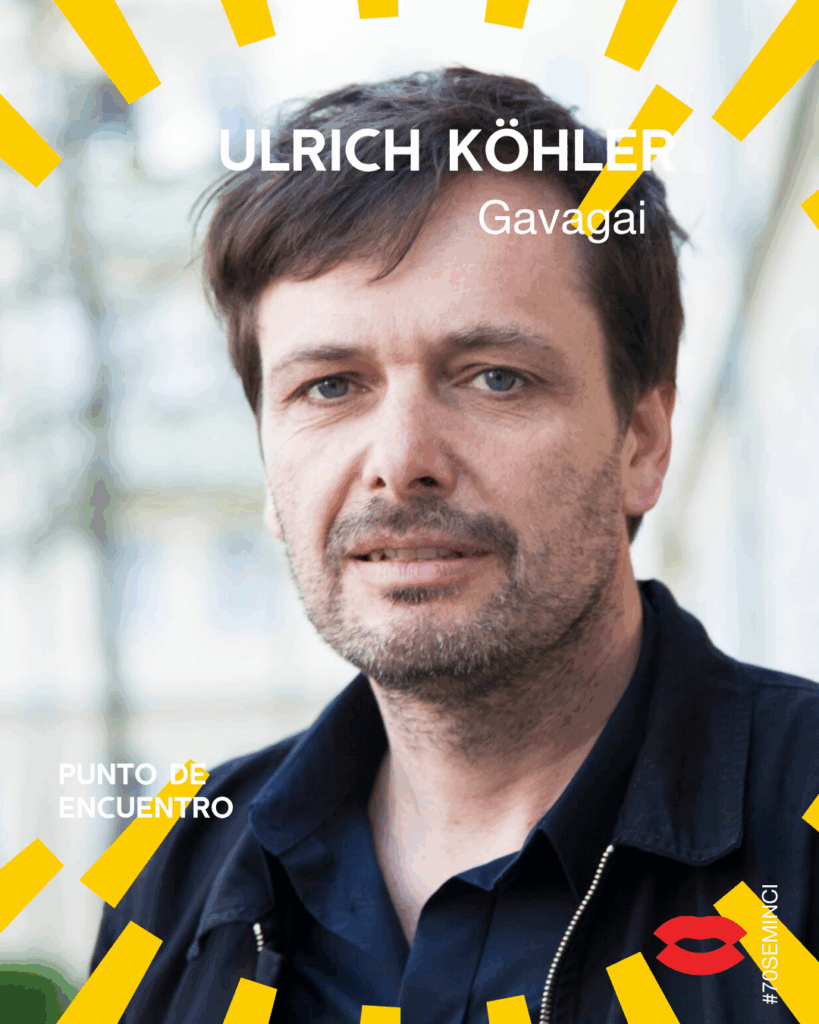
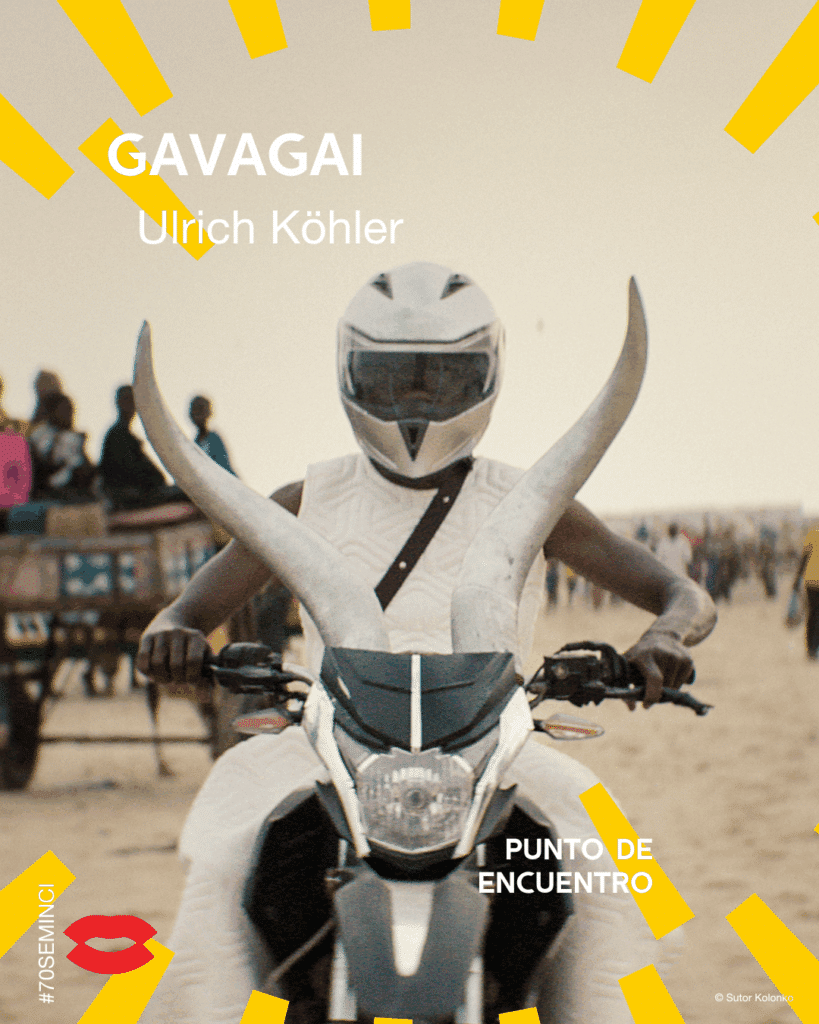
Colonialism also underlies the plot of Gavagai, the latest work by Ulrich Köhler, director of the prestigious Berlin School and winner of the Silver Bear for Best Director at the Berlinale for Sleeping Sickness in 2011. It addresses how colonial wounds remain open through a meta-cinematic plot that begins with the filming of an adaptation of Medea in Senegal and continues at the premiere in the German capital, when the romantic relationship between the director and the lead actor is compromised by a racist incident. The Greek tragedy thus becomes a contemporary drama.
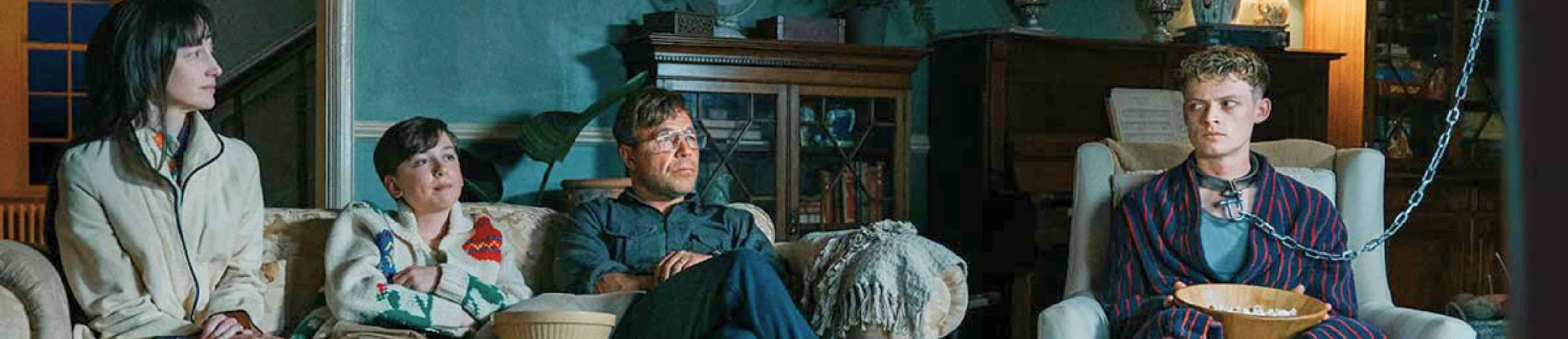
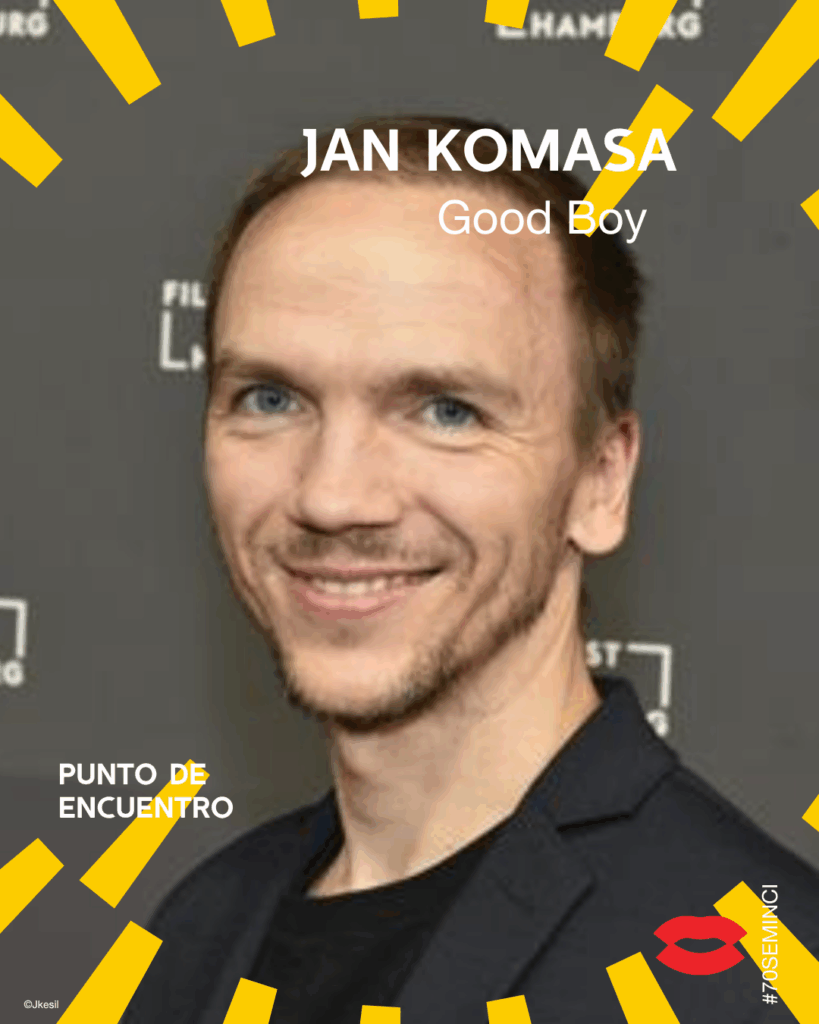
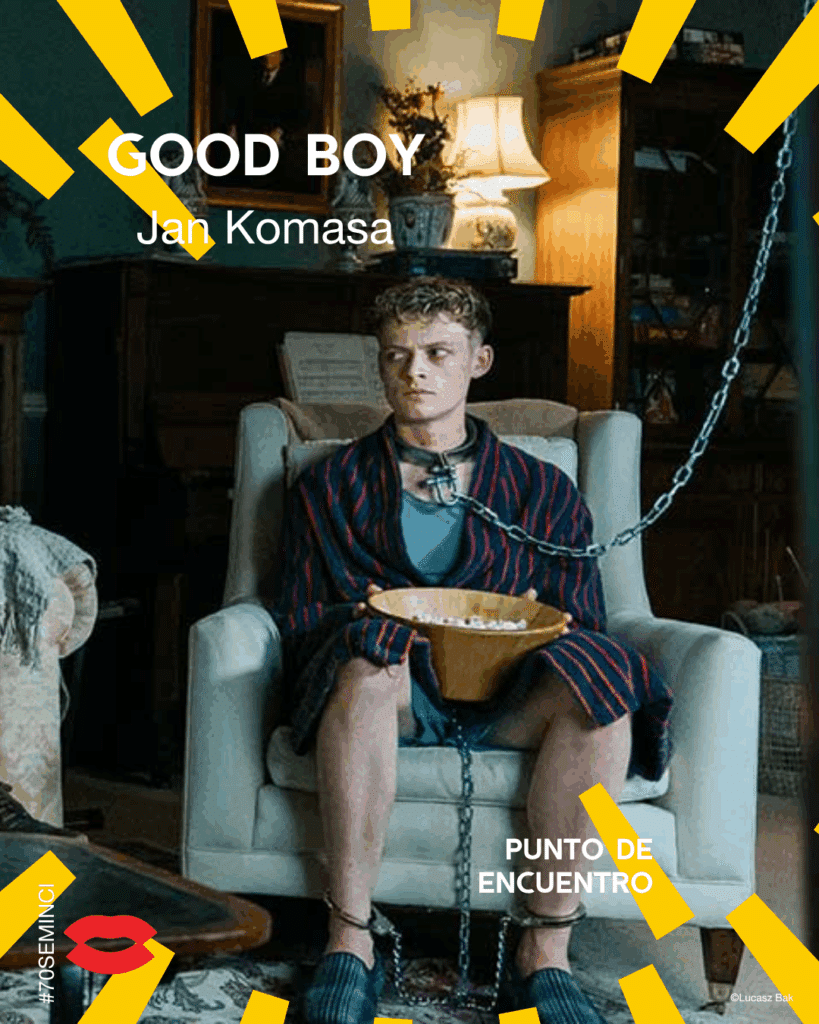
Polish director Jan Komasa (Corpus Christi, nominated for an Oscar in 2019 and winner of the Europa Cinemas Label Award in Venice) explores the moral limits of human nature in the disturbing thriller Good Boy. It tells the story of a violent young criminal (Anson Boon) who faces a forced rehabilitation process after being kidnapped by a couple played by
Stephen Graham (Emmy winner for his leading role in the series Adolescence) and his wife (Andrea Riseborough, Oscar nominee for To Leslie). Komasa’s first film shot in English features big names in European cinema such as Jeremy Thomas (The Last Emperor), Ewa Piaskowska (Essential Killing) and Jerzy Skolimowski (EO).

Latin American authors, somewhere between idealism and marginalisation
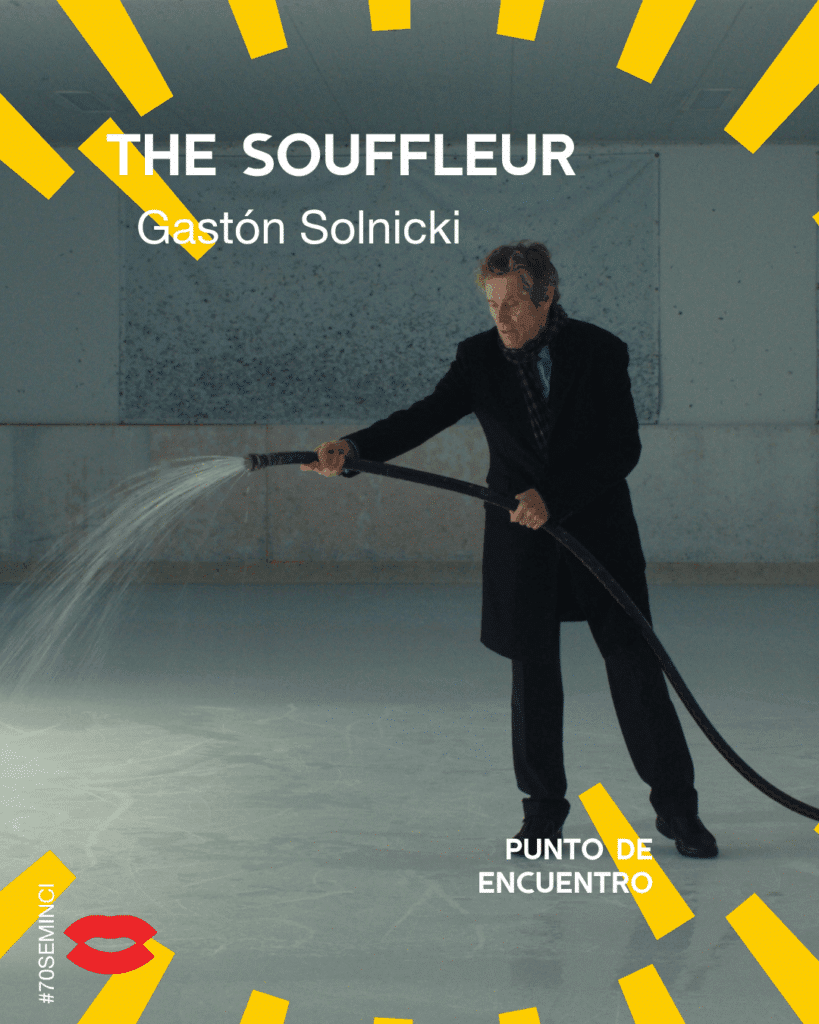
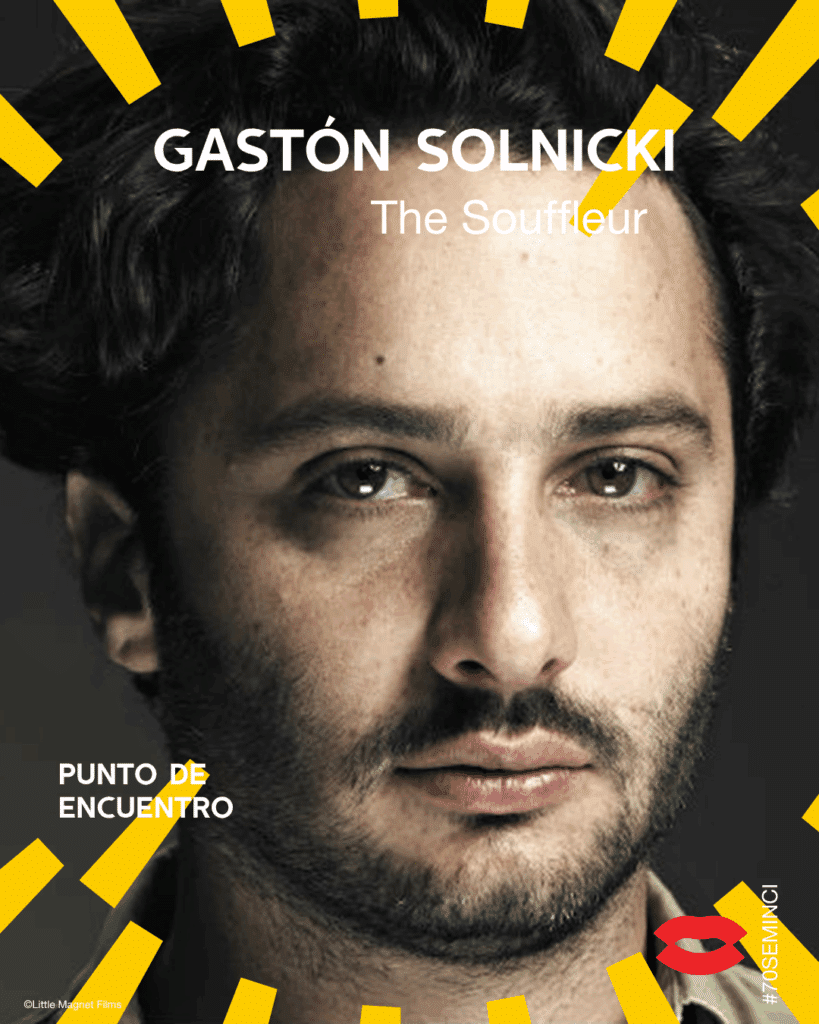
What fades away always leaves a shadow that cinema has tried to capture. While the characters in Good Boy react to the crisis of values among today’s youth, The Souffleur, by Argentine director Gastón Solnicki, presents the battle to defend a world threatened with disappearance. The film pits the manager of a historic Viennese hotel (Willem Dafoe) and his team against an Argentine real estate developer who has bought the establishment to demolish it. Solnicki, who won the Critics’ Award in the Orizzonti section at Venice with his fiction debut, Kékszakállú (2016), concludes with this work the Viennese trilogy thatbegan with Introduction to the Dark (2018) and continued with A Little Love Package (2022).
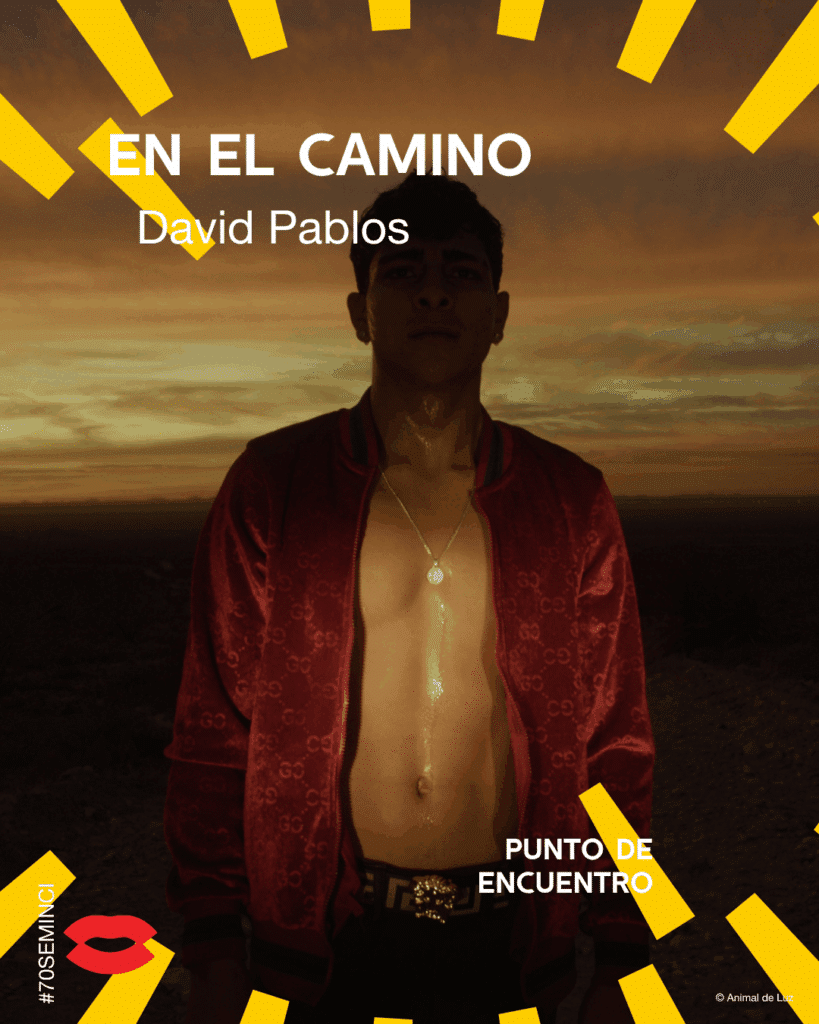
Meeting Point also hosts the premiere of the Orizzonti Award for Best Film at the latest Venice Film Festival and Queer Lion Award winner, On the Road, by Mexican director David Pablos (The Chosen Ones, Dance of the 41, The Head Of Joaquín Murrieta). A queer love story of dusty roads and explicit sex, blood and death, which achieves an unusual balance between tenderness and violence. The protagonists are a forty-something truck driver and a young man who prostitutes himself at service stations. They find refuge in each other and share a journey through northern Mexico, pursued by vengeful drug traffickers.
In the violent Medellín of the late 1980s, a group of marginalised teenagers steal a camera and document every detail of their dangerous lives in Barrio triste. The first feature film by renowned music video director Stillz redefines the found footage genre to explore the anxieties of vulnerable youth on the margins of history who long to be understood. With a
soundtrack by Venezuelan musician and producer Arca and produced by Harmony Korine’s collective, it features natural actors with no previous experience in front of the camera as the protagonists of this story.