

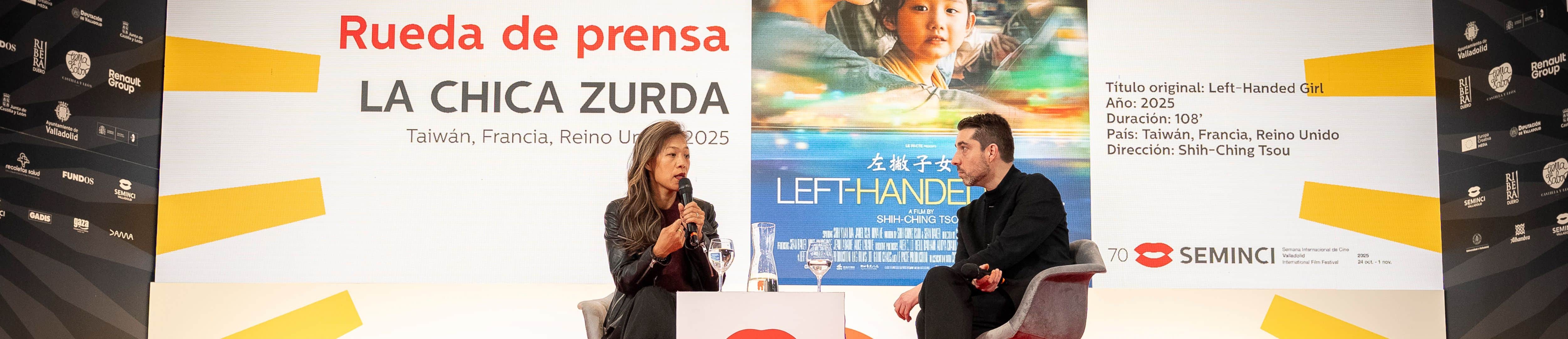
- The Taiwanese filmmaker’s first solo film, written and edited by Sean Baker, arrives at the 70th edition of SEMINCI
The hustle and bustle of Taiwanese markets has reached the Official Section of the Valladolid International Film Festival (SEMINCI) with Left-Handed Girl, the first solo feature film by Shih-Ching Tsou, a moving story of overcoming adversity told from the perspective of I-Jing, a little girl who runs around the food stalls while watching her mother and sister try to support the family: ‘I wanted the film to be seen from the point of view of the young girl protagonist. I needed to translate into images how quickly life passes for a child. That’s why, at the beginning, we see at her level and at her pace how she immerses herself with curiosity in the markets,’ said the director.
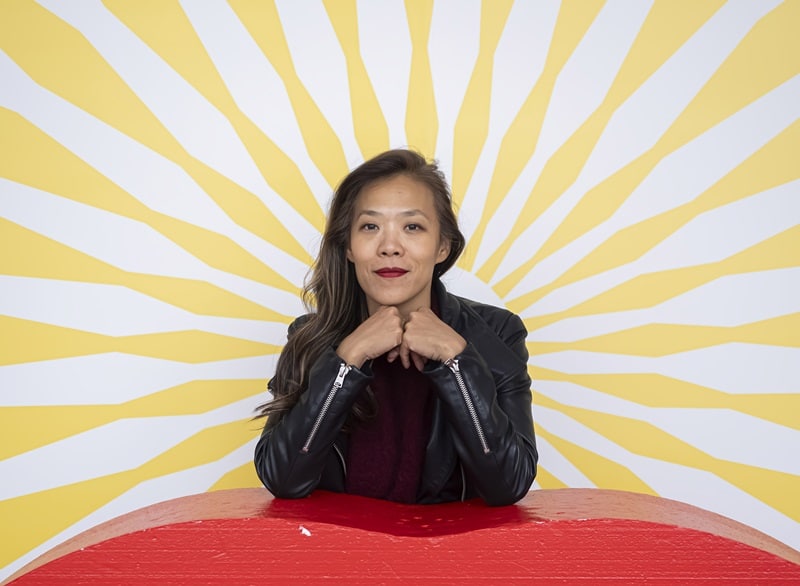
The process of conceiving the film is closely linked to the making of Take Out, a film that the filmmaker co-directed in 2005 with Sean Baker (winner of the Palme d’Or at the Cannes Film Festival for Anora): “Left-Handed Girl was born even before Take Out, when I was studying editing and met Sean. We visited Taiwan and I showed him the markets with the film already in mind, but as we knew we would need a bigger budget to make it, we decided to go back to New York and make Take Out with just $3,000.” Speaking also about her time as a film student, she reflected on the importance of her relationship with her grandfather, who was a great inspiration for the mischievous hand of the girl who gives the film its title: ‘My grandfather called me one day and told me not to use my left hand, because those who use it can suffer a curse.’
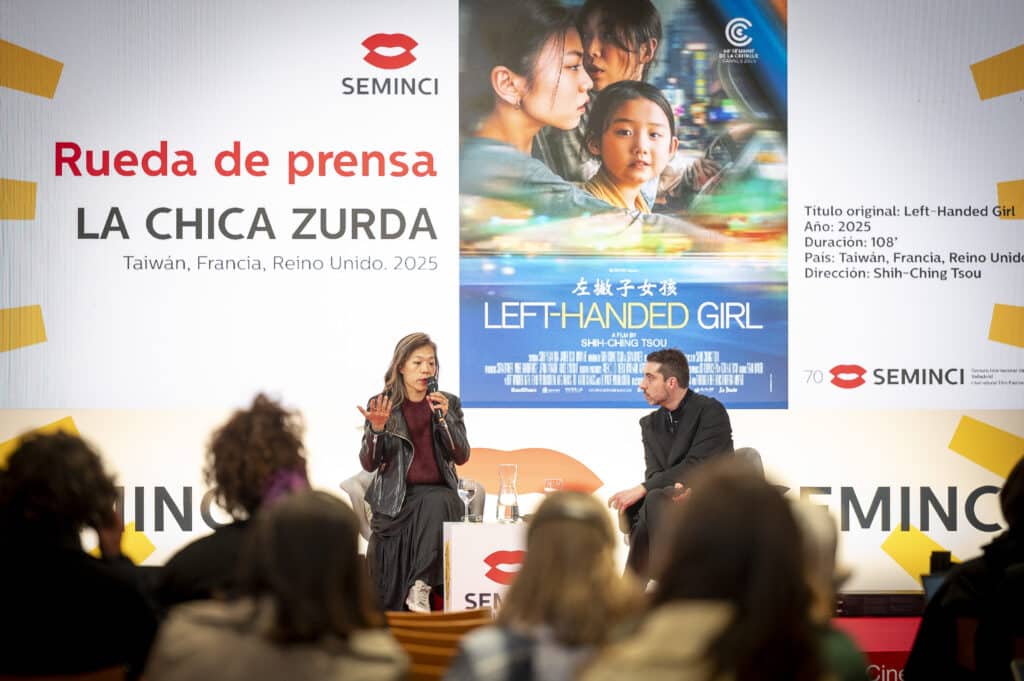
The camera at the service of the actresses
This story takes a look at several generations of women who challenge the classic structure of a Taiwanese family, something that the filmmaker took into account when creating the visual aspect of the film: ‘I discussed at length with my director of photography about what the camera’s point of view should be and where we wanted to focus at each moment. That’s why it’s important to see how the camera’s relationship with each character changes throughout the film, which is how we arrived at the final look of the film.’
For the director, the choice of cast was very important, consisting of actresses with previous experience in films and series and others who were in front of the camera for the first time: ‘During pre-production, I met little Nina Ye, who was already a small commercial star in Taiwan at the age of 9. For the older sister, I found Na-Shih Yuan‘s profile on Instagram and felt that she had exactly the aura and look of the character, so an actress was born very naturally, almost out of nowhere.’
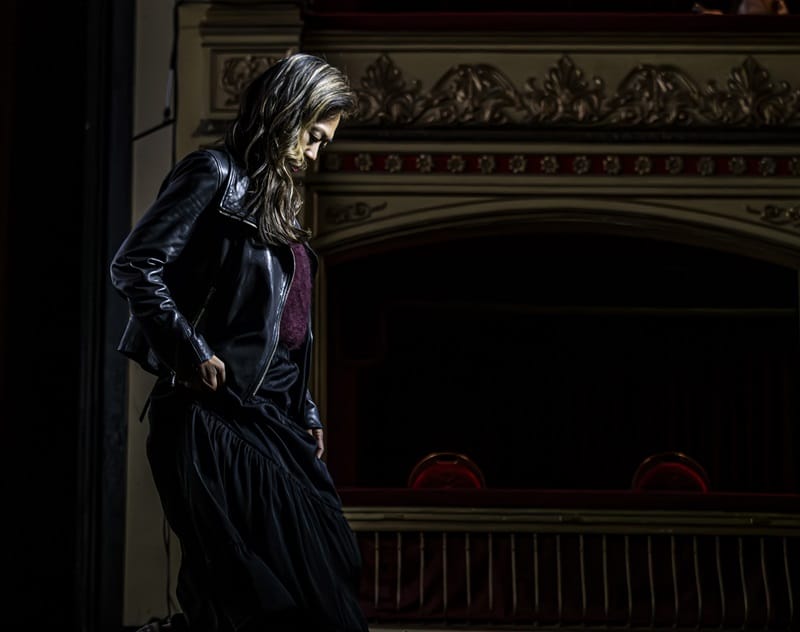
The use of mobile phones to film in the markets allowed Tsou to delve into the frenzy of the markets more easily: ‘Using the iPhone was very natural, on the one hand because it’s not so intimidating for an actor taking their first steps, and on the other because it allows us to have a more discreet and much more mobile film crew,’ he said, insisting on the need not to contaminate the ecosystem of the stalls in order to film the citizens naturally. The crew, made up of only 20 people, ‘both for budget and mobility reasons,’ were dressed as if they were market shoppers so as not to attract attention.