


- Meeting Point triples its audience compared to 2022 and leads the increase in attendance alongside the Official Section
- The 71st edition will be held from October 23 to 31, 2026
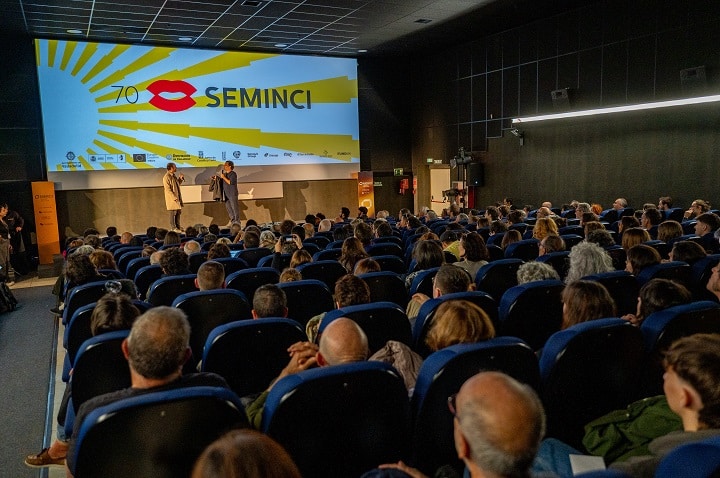
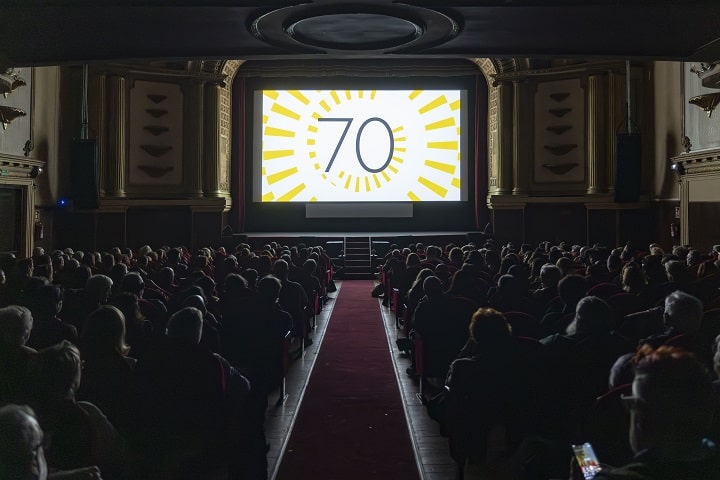
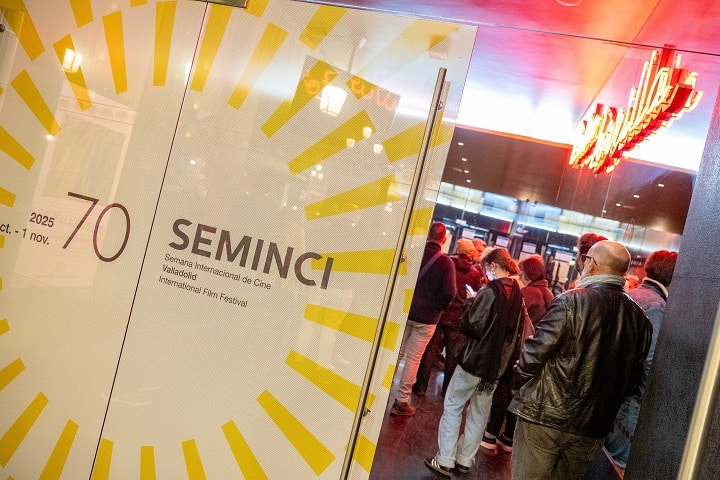
The Valladolid International Film Festival (SEMINCI) has closed its 70th edition with figures that consolidate its sustained growth: 103,000 cinema-goers (30% more than in 2022), box office takings up 8.3% on 2024, which have increased by 53% in three years (€234,840) with no price changes, and more than 2,200 accredited professionals. The 70th SEMINCI, held from October 24 to November 1, stood out for the success of its competitive sections with audiences, especially Meeting Point, which has tripled its audience since 2022. “This edition has had a generous audience that was fully committed to the festival,” according to the assessment of the festival’s director, José Luis Cienfuegos. “I think it has been perceived and conveyed as a festival with enormous potential that has reached its 70th anniversary in great shape,” he added. For the director, proof of SEMINCI’s good health, “which has enabled communion between viewers and filmmakers over nine intense days,” is reflected in the list of winners, with awards going to Kelly Reichardt, Lav Diaz, and Ildikó Enyedi. “It reflects SEMINCI’s commitment to showcasing prestigious filmmakers who are symbols of independence and creative freedom and who are undoubtedly part of the history of contemporary cinema,” says Cienfuegos.
The 70th SEMINCI has succeeded in thrilling audiences by offering a lively, vibrant edition with viewers taking center stage. “After three years of transformation in terms of content structure, strategy, organization, and institutional positioning, this edition has been marked by a very solid program and an enthusiastic response from both the industry and viewers, exceeding all expectations. A high-level program, full theaters, and a vibrant atmosphere confirm the direction of the festival and its link to auteur cinema,” says its director about the 2025 edition, which will almost repeat the same dates in 2026, as the 71st edition will be held from October 23 to 31.
“Attendees have made their verdict on the SEMINCI they want and desire: a festival built on a clear and curated program,” says José Luis Cienfuegos. “ This festival’s success is also the success of our country’s independent distributors,” concludes the festival director.
Meeting Point leads the increase in audience numbers
The 70th edition of the Valladolid International Film Festival included 226 titles (137 of them world premieres), divided between 149 feature films and 77 short films, screened in 406 sessions over nine days.
The largest proportional growth in audience numbers was recorded in the Meeting Point section, with a 37.68% increase compared to 2024. This data confirms the public’s confidence in the festival’s programming choices, which since 2022 has almost tripled the audience for this section.
The Miniminci and SEMINCI Youth educational programs continue to appeal to younger audiences, with nearly 170 schools (88 preschools and 79 high schools) from Valladolid and the surrounding province enjoying a specific program consisting of 31 feature films and 20 short films.
2,200 accredited professionals and 125 discussions with directors
The total number of professionals, with 1,100 guests and 420 filmmakers and representatives of the films programmed, in addition to film industry professionals and journalists, reached 2,180, 25% more than in 2024 (1,739) and 68% more than in 2022 (1,296).
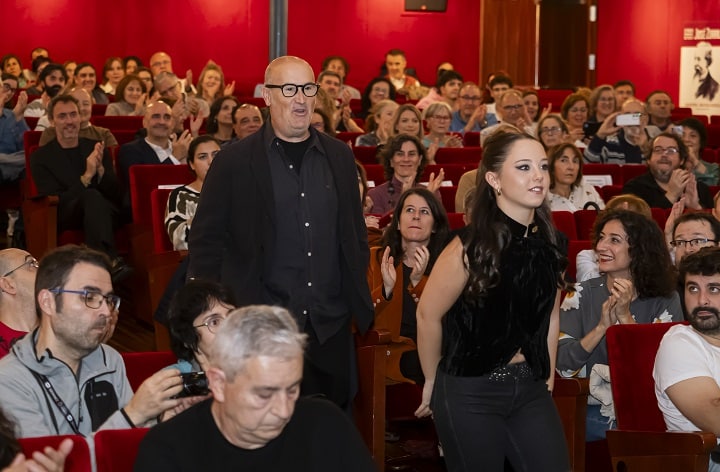
Another distinctive feature of SEMINCI is the large presence of film crews and representatives and the meetings organized with the public: not counting presentations, training activities, or press events, 125 discussions were held in theaters after the screenings.
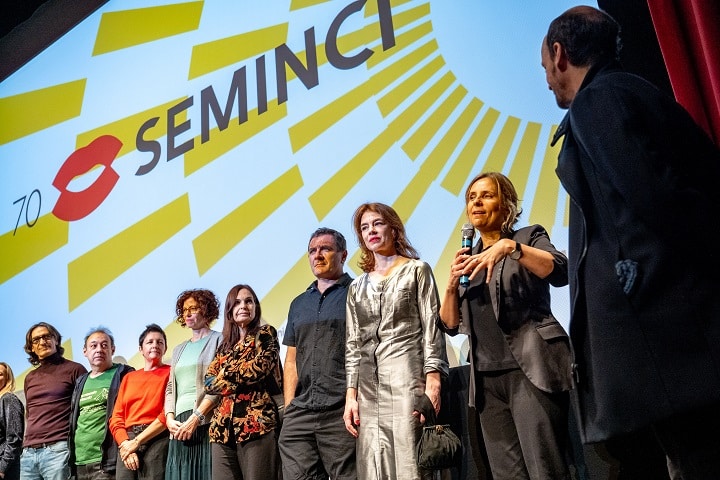
International filmmakers
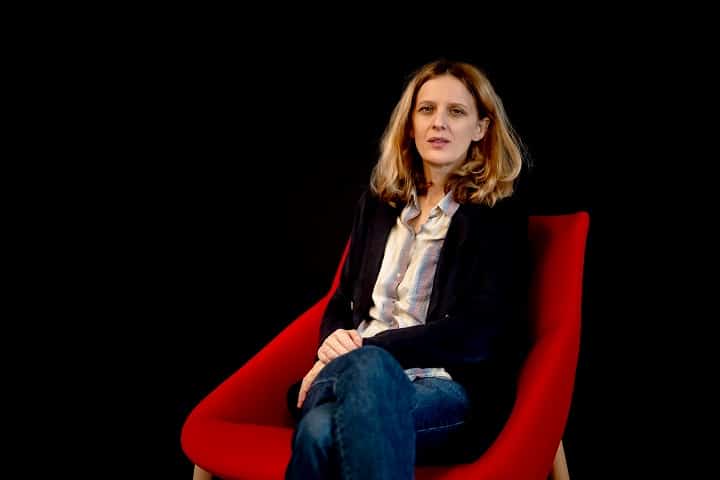
The international program featured renowned masters such as Bi Gan (Resurrection), Sergei Loznitsa (Two Prosecutors), Pietro Marcello (Duse), brothers Jean-Pierre and Luc Dardenne (Young Mothers), Hungarian director Ildikó Enyedi (Silent Friend), and French director Mia Hansen-Løve, who received one of the Honorary Spikes.
Latin American cinema was represented by Gabriel Mascaro (The Blue Trail), David Pablos (On the Road), Federico Veiroj (Face to Face), Gastón Solnicki (The Souffleur), and Ezequiel Salinas and Ramiro Sonzini (The Night is Fading Away).
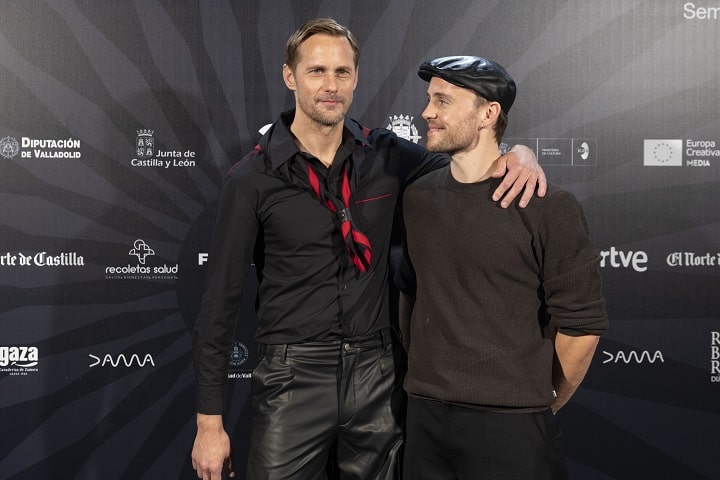
The European representation was completed by names such as Alexander Skarsgård and Harry Lighton (Pillion), Pedro Pinho (I Only Rest in the Storm), actress Romane Bohringer (Tell Her I Love Her), Maureen Fazendeiro (The Seasons), Alexe Poukine (Kika), Vladlena Sandu (Memory), João Rosas (The Luminous Life), and Julian Radlmaier (Phantoms of July).
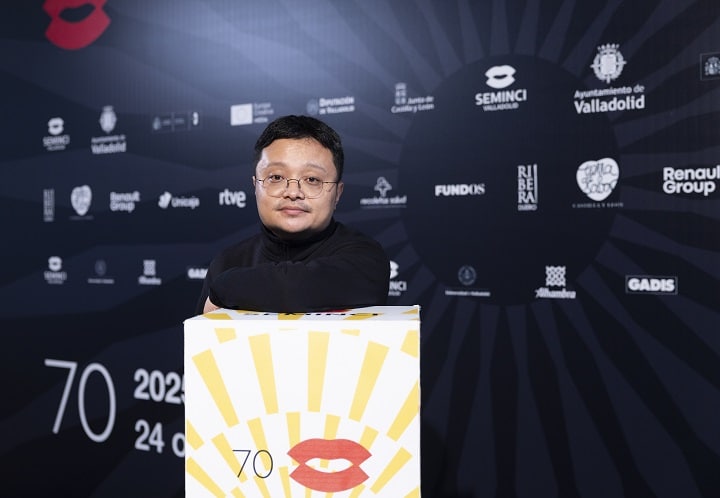
Among many others, the international cast brought together Sean Baker’s producer Shih-Ching Tsou (Left-Handed Girl); American productions by Max Walker-Silverman (Rebuilding) and Joel Alfonso Vargas (Mad Bills to Pay); Iranian Farnoosh Samadi (Between Dreams and Hope); Lebanese filmmakers Cyril Aris (A Sad and Beautiful World), Abbas Fahdel (Tales of the Wounded Land), and Feyrouz Serhal as a member of the Time of History jury, as well as Austrian director Alexander Horwath and Portuguese filmmaker João Pedro Rodrigues, who was part of the Official Section jury.
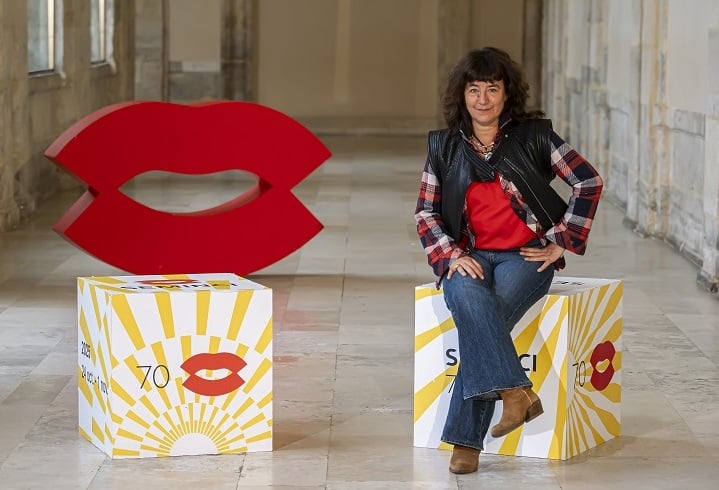
National filmmakers
Spanish cinema was represented at SEMINCI by numerous directors with outstanding careers. From those who opened and closed the festival, Isabel Coixet (Three Goodbye) and David Trueba (Siempre es invierno), to those included in the different sections, such as Fernando Franco (Subsuelo) and Judith Colell (Frontera).
The new generation of Spanish cinema included Rafael Cobos (Golpes), Carlos Solano (Leo & Lou), Carlos Saiz (Lionel), Ana Serret (Notes for a Consensual Fiction), Irene Iborra (Olivia and the Invisible Earthquake), Gabriel Azorín (Last Night I Conquered the City of Thebes), Pere Vilà Barceló (When a River Becomes the Sea), Guillermo Galoe (Sleepless City), Candela Sotos (Yrupê), Lucía Aleñar (Forastera), Alfonso Sánchez (Pendaripen, the Untold Story of the Roma People), Carolina Yuste and Afioco Gnecco (This Body of Mine), along with creators such as Diego San José (Yakarta), Elena Trapé (Yakarta), Santiago Tabernero (Las gafas de Isabel Coixet), César Vallejo, Ángela Gallardo, Rafael Muñoz (David Delfín. Muestra tu herida) and Albert Serra (Magellan).
Outside the program, filmmakers such as Isaki Lacuesta, Adrián Orr, Benito Zambrano, and Elena López-Riera participated in various activities or as part of the jury. The Women Filmmakers Meeting also brought together directors Paula Ortiz, Mar Coll, Inés G. Aparicio, and Amparo Climent, as well as producer María Zamora and screenwriter Valentina Viso.
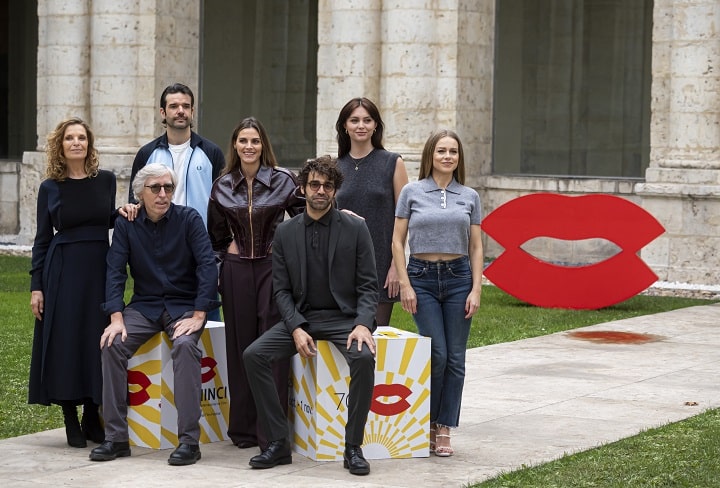
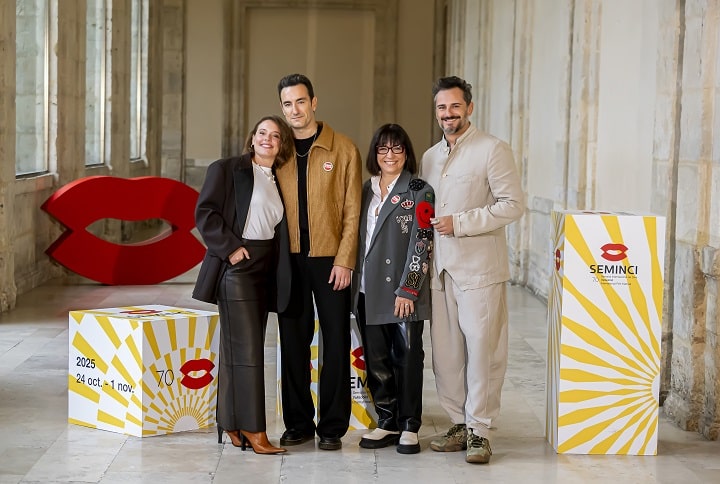
The presence of Spanish actors was notable throughout the festival. In addition to Luis Callejo, who received the Honorary Spike Award, Luis Tosar and Jesús Carroza (Golpes); Laia Marull and Álex Brendemühl (When a River Becomes the Sea); Lluís Homar and Zoe Stein (Forastera); Francesco Carril (Three Goodbyes); Miki Esparbé, Asier Etxeandia, and María Rodríguez Soto (Frontera); David Verdaguer, Amaia Salamanca, Carla Nieto, and Isabelle Renault (Siempre es invierno); Sonia Almarcha, Itzan Escamilla, Diego Garisa, Julia Martínez, and Íñigo de la Iglesia (Subsuelo); Maggie Civantos, Isak Férriz, Julia Sulleiro, and Manuel Manquiña (Leo & Lou); Ingrid Rubio (Our Home’s Cigarette Butts); Lolita Flores (Pendaripen); and Javier Cámara and Carla Quílez, stars of the series Yakarta.
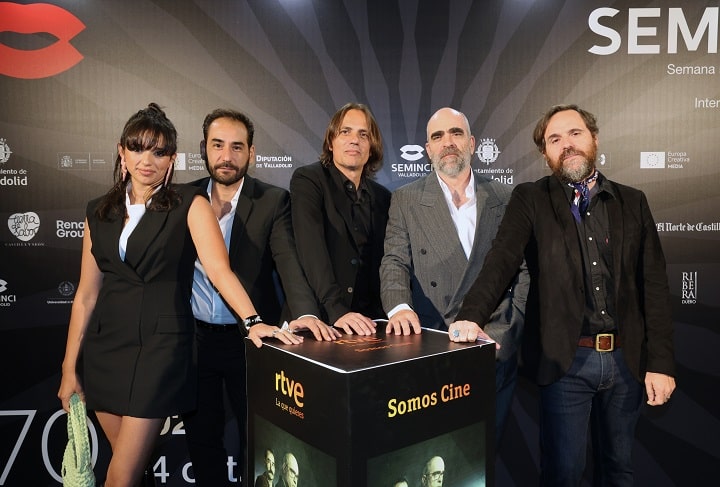
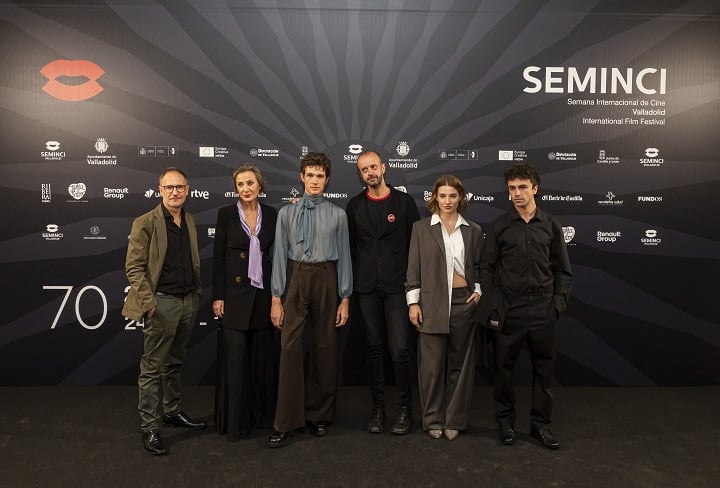
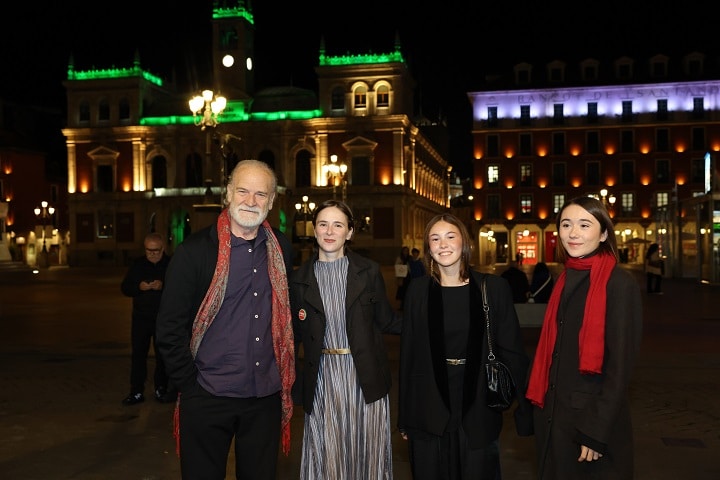
In addition, actors Blanca Portillo, Ivana Baquero, Fernando Cayo, Rubén Ochandiano, Ángela Cervantes, and Álvaro Cervantes took part in various galas and presentations, as did singer Esperanza Fernández and musicians Niño de Elche, Erik Urano, Alondra Bentley, and the group La La Love You.
SEMINCI, more than just a meeting point
The city has brought together a large part of the Spanish and European film industry thanks to activities such as the II Meeting of Women Filmmakers, the presentation of the CIMA report on sexual violence in the sector, and the MERCI market. In 2025, SEMINCI also hosted the Europa Cinemas meeting of European exhibitors and the first meeting of Young European Programmers, consolidating its role as a host on a continental level.
Meetings, music, and exhibitions rounded out the program
In addition to the 103,000 moviegoers, more than 6,000 people took part in the side events that SEMINCI offered to reflect on cinema, enjoy musical experiences, and discover the ins and outs of some of the Spanish films in the program.
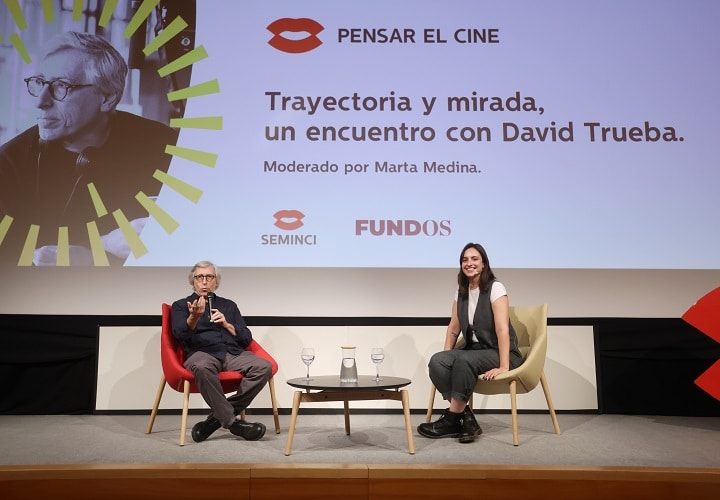
Under the heading ‘Thinking about Cinema at SEMINCI’, the festival organized five round tables and meetings. These included the debate on La Controversia de Valladolid (The Valladolid Controversy); the Mondays with DAMA sessions, with Paco Plaza and Pablo Guerrero; and the meeting ‘Trajectory and Vision’ with director David Trueba. The book La captura del tiempo (The Capture of Time) was also presented. A cinema under the influence of reality, and a round table discussion was held on the functioning of the European Film Academy nominations, attended by the short filmmakers nominated for the European Short Film-Prix Vimeo 2026.
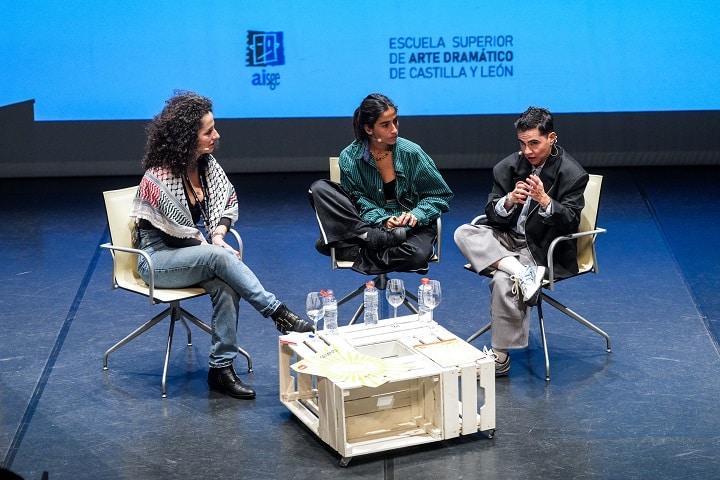
The second edition of the exhibition ‘Footprints and Escapes. Spanish cinema at SEMINCI’ allowed the public to take a look behind the scenes of the festival’s national productions. Open until November 19 at the Sala Municipal de San Benito, the exhibition displayed costumes, sets, and material from the creative and filming process. The Patio Herreriano Museum also offered the screening ‘Last Session’, a selection of images of movie theaters that photographer Javier Campano has compiled since the 1970s and which has been edited by film and video curator Andy Davies.
Live music accompanied several special screenings. Alongside the traditional concert by the Castile and León Symphony Orchestra, which on this occasion accompanied the MoMA-restored version of Victor Sjöström‘s The Wind (1928), artist J. Sasso offered another audiovisual experience with the Castile and León Film Library’s restored copy of Leopoldo Alonso‘s documentary The Canal of Castile (1931).
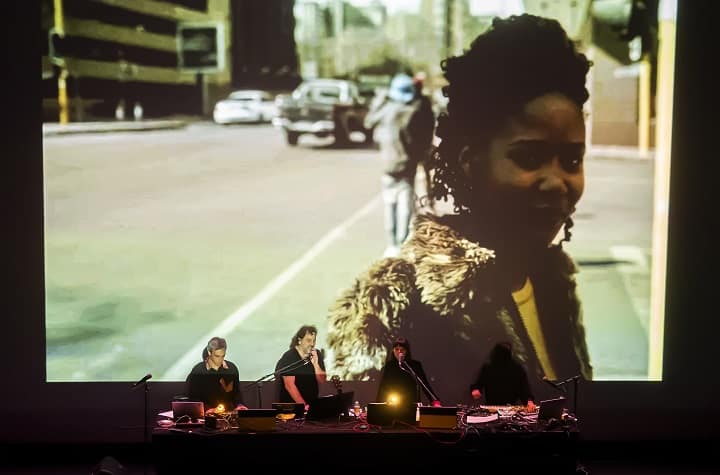
The program of DJ performances Alhambra SEMINCI Night, which scheduled 21 sessions in three venues (Patio Herreriano Museum, El Desierto Rojo, and Bizarro), was completed by the Fantasma Sur collective, formed by Alondra Bentley, Isaki Lacuesta, Ylia, and Albert Coma, who fused music and audiovisuals at the Valladolid Arts Laboratory (LAVA).
MERCI breaks attendance records with 30% more film professionals
The fifth MERCI Independent Film Market brought together around 200 professionals, including exhibitors, distributors, and platform and television channel programmers, from October 29 to 31, exceeding attendance in 2024 by 30%. Organized in conjunction with the Association of Independent Film Distributors (ADICINE), with the support of the Ministry of Culture, this event has established itself as the professional benchmark in Spain for promoting the circulation of independent films to audiences in a unique space for debate and networking. Twenty-seven films scheduled for release between the end of 2025 and the first half of 2026 were screened exclusively for programming and exhibition professionals.
Despite a negative context for exhibition, independent distributors reported that their revenues amounted to €38 million in the last year, with 202 titles and a 12% market share. However, the industry is facing a crisis: box office revenues fell by €2 million and the average age of moviegoers is 40.
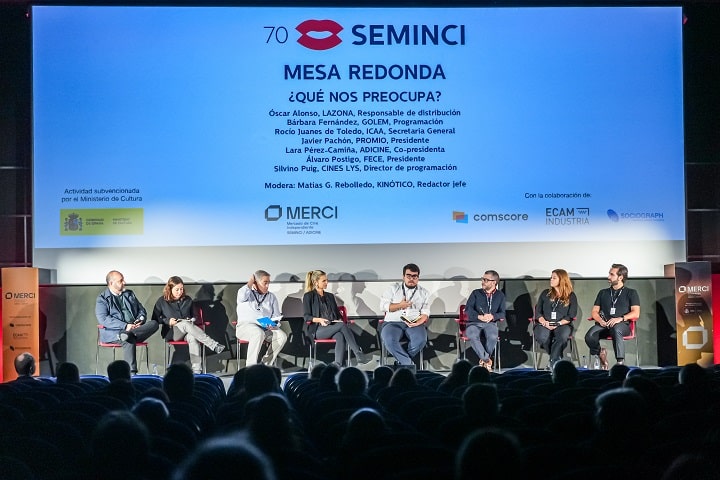
The main problems identified at the round table discussion “What concerns us?”, which brought together representatives from ADICINE, PROMIO, FECE, GOLEM, and Cines Lys, as well as the participation of the ICAA, were overproduction (2,645 films screened in Spain in 2024 in all types of theaters, including premieres and reruns), the lack of regulation of exhibition windows, and the concentration of audiences on a few titles.
The ICAA announced the creation of the State Film Council and a four-year strategic plan focused on distribution and promotion. It will also promote the Cine Escuela program to create new audiences, while confirming the consolidation of Martes Senior (€2 tickets for people over 65) as a strategic asset for Spanish productions, representing 35-40% of the box office on that day.
In the program of activities, Comscore presented trends and data on different audiences, Letterboxd was unveiled as a social network model linked to cinema, and international models were discussed.
La Meseta Film Laboratories
At the closing ceremony of MERCI, the first La Meseta Distribution awards were presented, recognizing the promotional campaigns for The Chronology of Water (Sideral), The Good Daughter (Avalon), and The Love That Remains (Elástica). Beta Fiction received a special mention for Rondallas.
As part of the La Meseta film laboratories, created in 2025 to support the creation, development, distribution, and dissemination of cinema, co-financed by the Regional Government of Castile and León and the Ministry of Culture, the Short Film Development Laboratory was organized in April. Selected from more than 140 projects from Spain and other countries, the creators of eight short films participated in an intensive training residency in Valladolid and later took part in industry-focused activities during SEMINCI.
As part of the La Meseta Dissemination Laboratory, meetings were held with filmmakers such as Albert Serra, Ramón Lluís Bande, and Celia Rico, combining screenings and conversations about filmmaking. The initiative also included a professional meeting with representatives from the ICAA, Film Madrid Region, CIMA, and the Regional Ministry of Culture to provide information on financing and resources in the sector.
Activities throughout the year
With the aim of extending the 70th edition throughout the year, in April SEMINCI launched two notable initiatives: the ‘Showcase of the Month’, an exhibition that traces the history of the festival in six stages through films and archival materials, curated by César Combarros, and the series ‘A Certain History of Arthouse Cinema’. Sponsored by El Norte de Castilla, this series has revived the history of the event through the screening of 25 iconic titles at the Broadway Cinemas, preceded by presentations by viewers from several generations who discovered them at the festival.
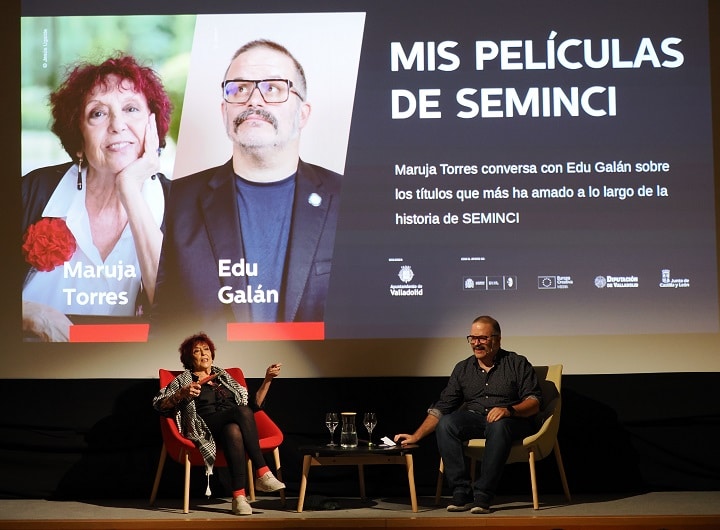
In September, also as part of the activities commemorating the 70th anniversary of SEMINCI, journalist and writer Maruja Torres and writer and screenwriter Edu Galán held a meeting with the Valladolid public at the FUNDOS Forum Auditorium, which became an emotional journey through the history of the festival via their ten favorite films from the event.
In collaboration with the University of Valladolid, SEMINCI offered the opportunity in March to see the film Morlaix before its premiere and meet its director, Jaime Rosales. In May, SEMINCI programmed the series ‘Portraits of Change: New Perspectives on Latin American Cinema’ as part of the 3rd Valladolid in Language International Meeting, organized by the Godofredo Garabito y Gregorio Foundation. In July, it curated the series ‘Double Faces’, consisting of three free screenings dedicated to female identity in the garden of the Cervantes House Museum.
In addition to these screenings and round tables, there were new editions of Territory SEMINCI, an initiative organized thanks to the Valladolid Provincial Council, which screened two feature films programmed at SEMINCI in 10 municipalities in the province, and SEMINCI Community, which took four films to six locations in Castile and León. The screenings during the year alone attracted more than 7,000 viewers, with the commemorative cycle of ‘70 years of SEMINCI still to be completed.
Espacio SEMINCI
Beyond visitors to the exhibitions, Espacio SEMINCI’s activity has grown significantly during 2025, hosting initiatives from associations and institutions and organizing meetings for professionals, students, and film lovers, which attracted more than 3,000 attendees from January to November 2025.
Thanks to its inclusion in the Young4Film network, internationally renowned Spanish filmmakers have taken part in meetings with the Valladolid public, such as the Inside Cinema event organized by SEMINCI and A Bao Qu with Celia Rico and Jonás Trueba.
The UVa Master’s Degree in Film stood out as one of the main organizers with multiple workshops and master classes, but it was not the only educational institution. The Miguel de Cervantes European University, the Aceimar School of Image and Sound, and the 11 Milímetros School have also contributed to fill the Espacio SEMINCI with various programs.
The La Fila Short Film Festival held its monthly ‘Martes de la Fila’ talks with themed screenings, and the Cinerama Festival held its closing gala. The INTRAS Foundation carried out intense activity focused on mental health, with the 2nd ‘Visionando’ Short Film Festival and the 3rd Film and Mental Health Cycle. The Rueda con Rueda Festival inaugurated the ‘Author Dialogues’ series of meetings with Julio Medem and Belén Funes. Other festivals, such as PUFA and Zorrilla’s Fest, included the Espacio Seminci among their venues for screenings and talks, while the Triángulo Foundation presented CINHOMO 2025 there.
Other organizations and initiatives, such as CIMA, Rodinia, Valladolid Film Commission, Dialogasex, Cines Casablanca, Amnesty International, Pajarillos Educa, Martinarianos, Asociación Fotográfica Vallisoletana, Fundación Personas, Ladies, Wine & Design, and Red Huellas de Santa Teresa, also actively participated in Espacio SEMINCI, which hosted a new edition of the SEMINCI Campus workshop for young people in the summer.
Sponsors
Organized by Valladolid City Council, the 70th edition of SEMINCI would not have been possible without the institutional support of the Ministry of Culture through the Institute of Cinematography and Visual Arts (ICAA), the Regional Government of Castile and León, Valladolid Provincial Council, Creative Europe MEDIA, and the University of Valladolid, as well as the commitment of private sponsors, who have increased their financial support.
Gold sponsors include DO. Ribera del Duero, Tierra de Sabor Castilla y León, and Renault Group. The silver category group consists of Unicaja, El Norte de Castilla, Recoletas Salud, FUNDOS, and RTVE, which has significantly strengthened its presence and coverage of the event in this edition.
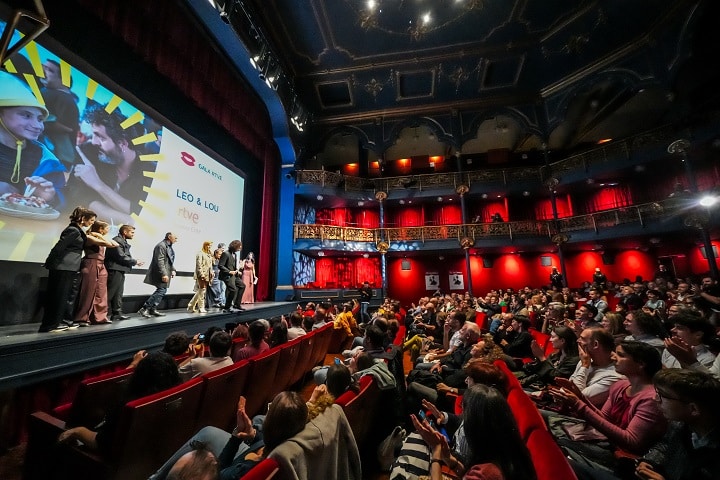
The public broadcaster presented 11 titles in which it had participated in the production, including those premiered at the two RTVE galas: Leo & Lou, by Carlos Solano, and Frontera, by Judith Colell. The public broadcaster also broadcast the SEMINCI closing gala live, culminating coverage on RNE and TVE that included reports on Telediario, Canal 24 Horas, and the programs Días de Cine, Flash Moda, Atención obras, Malas lenguas, Café d’idees; and De Película, El Ojo Crítico, Tres en la carretera, Va de cine, El cine que viene, and Cultura con ñ on RNE. It also recorded the programs Versión Española, which included the screening of the film Que nadie duerma, by Antonio Méndez Esparza, and Historia de Nuestro Cine, dedicated to Miguel Delibes, at the Calderón Theater. And the RTVE Play platform made available to the public a collection of award-winning films from previous editions of Seminci.
The list of sponsors is completed by Alhambra, Gadis, Gaza, and DAMA, which have contributed to the celebration of this edition, together with the collaboration of ADICINE, Europa Cinemas, La Meseta, AC/E, PICE, European Film Academy, Young4Film Moving Cinema, ESCAC, ECAM, AISGE, Unifrance, Polish Institute of Culture, Cinemateca Portuguesa, Goethe Institut, Patio Herreriano Museum of Spanish Contemporary Art, Coca Cola, Renfe, Valladolid Hospitality Association, Valladolid Provincial Association of Confectionery and Pastry Entrepreneurs, and Fecosva.