

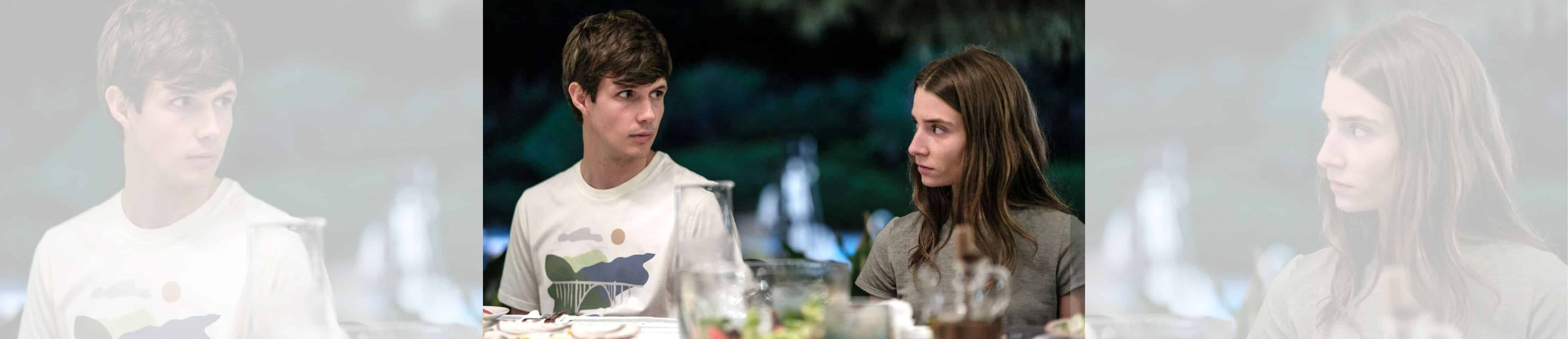
The 70th SEMINCI premieres ten Spanish feature films worldwide, including the latest works by Fernando Franco and Judith Colell
- The debut of nine filmmakers, actress Carolina Yuste among them, sets the tone for Spanish cinema selected for the 70th edition
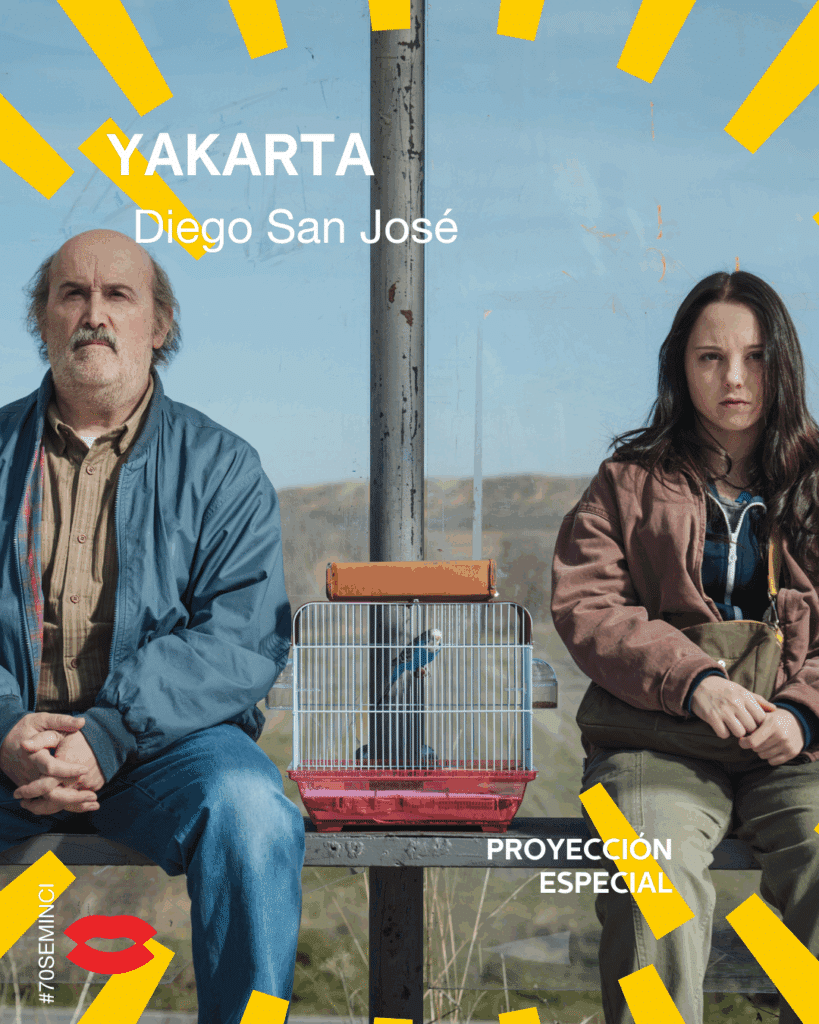
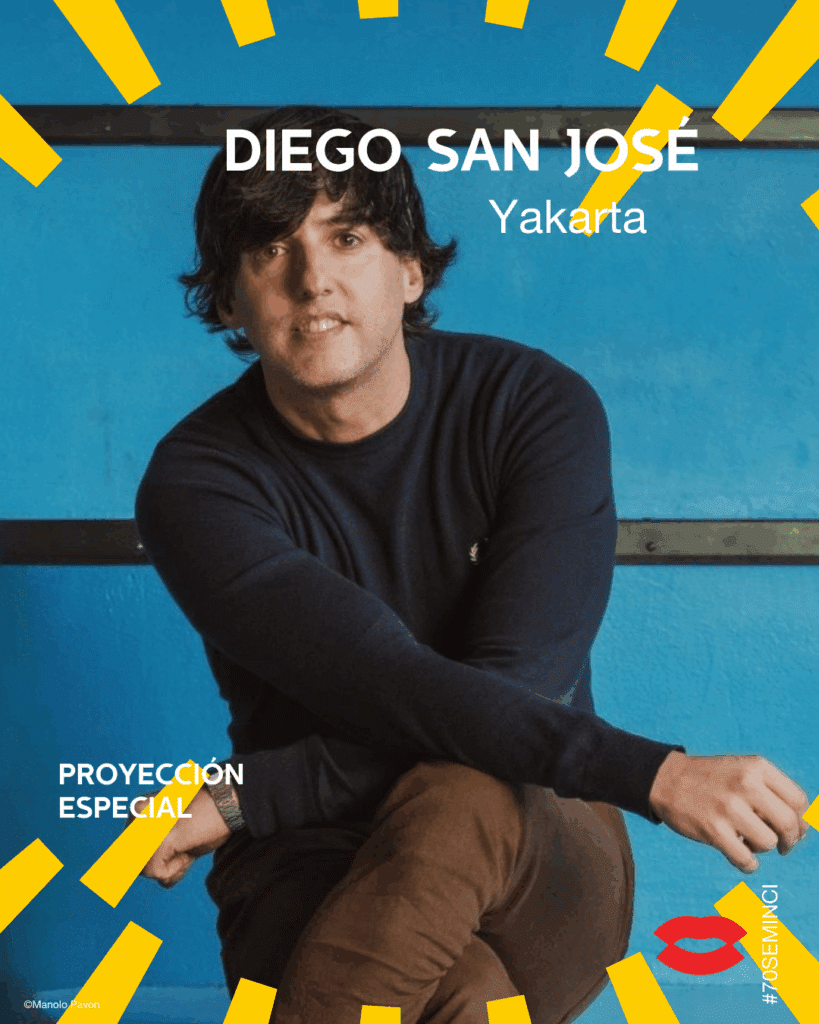
- Seminci hosts the premiere of the series ‘Yakarta’, created by Diego San José and starring Javier Cámara
Valladolid, 16 September 2025. Nineteen feature films, animations and non-fiction films (including the opening film) and thirteen Spanish-produced short films will participate in the 70th edition of the Valladolid International Film Festival (SEMINCI), which will open on 24 October with Isabel Coixet’s Three Goodbyes. Ten of them will have their world premiere at SEMINCI. It is also planned that two more unreleased Spanish productions will be added soon to the Official Section, one of which will close the festival on November 1st.The Festival will also host the premiere screening of the series Yakarta, the new collaboration between film and television creator Diego San José and actor Javier Cámara after Vota Juan.
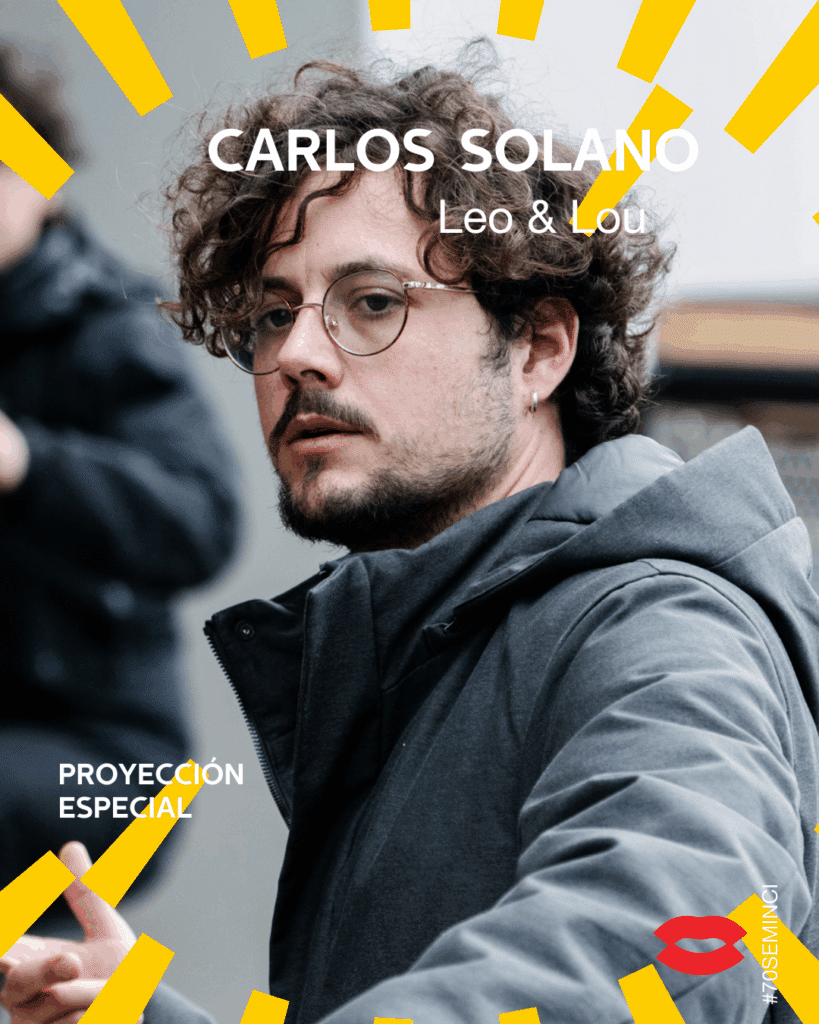
The selection of feature films includes the world premieres of the new films by Fernando Franco (Subsuelo) and Judith Colell (Frontera), along with the first works as feature film directors by Carlos Saiz (Lionel), Lucía Aleñar (Forastera, Fipresci Award in Toronto) and Carlos Solano (Leo & Lou). The national premiere of When a River Becomes the Sea by Pere Vilà Barceló, a fiction film that won an award at the Karlovy Vary Film Festival, rounds off the selection.
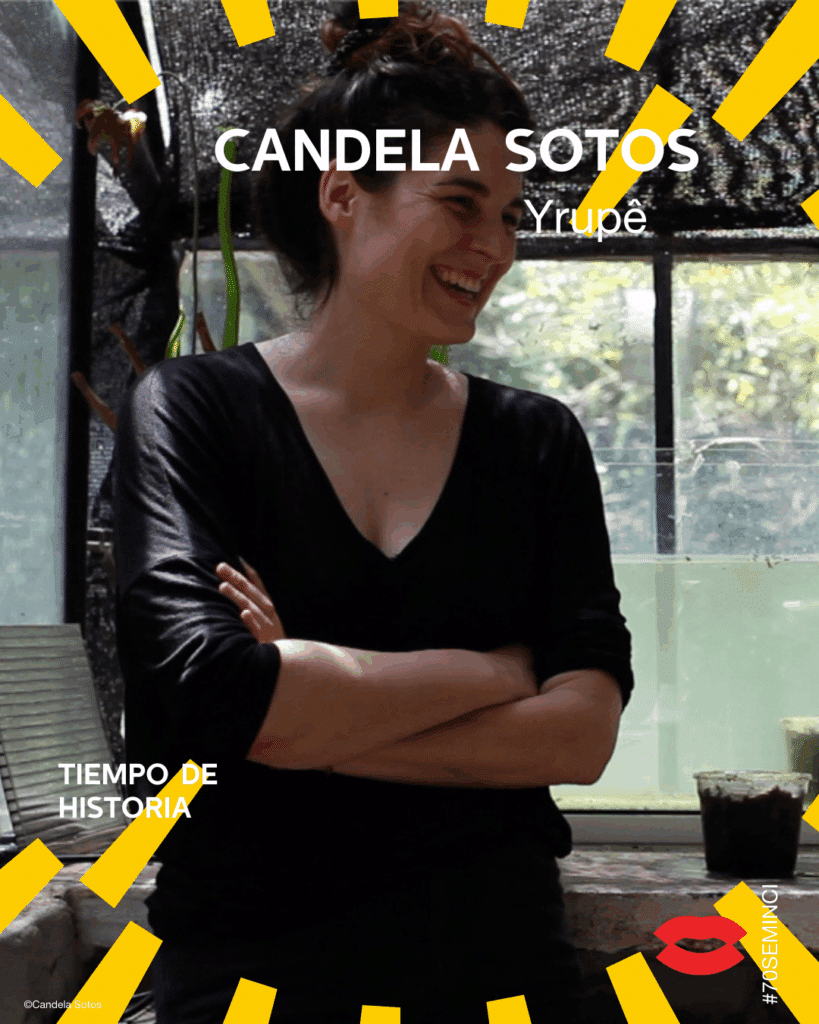
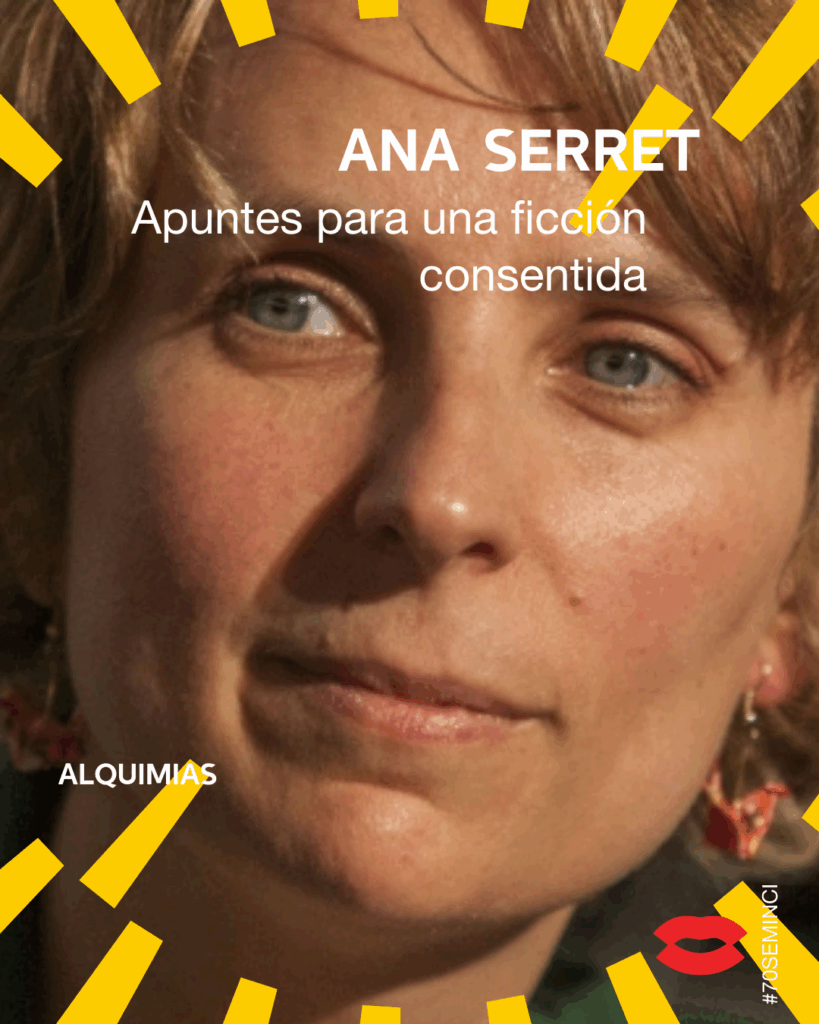
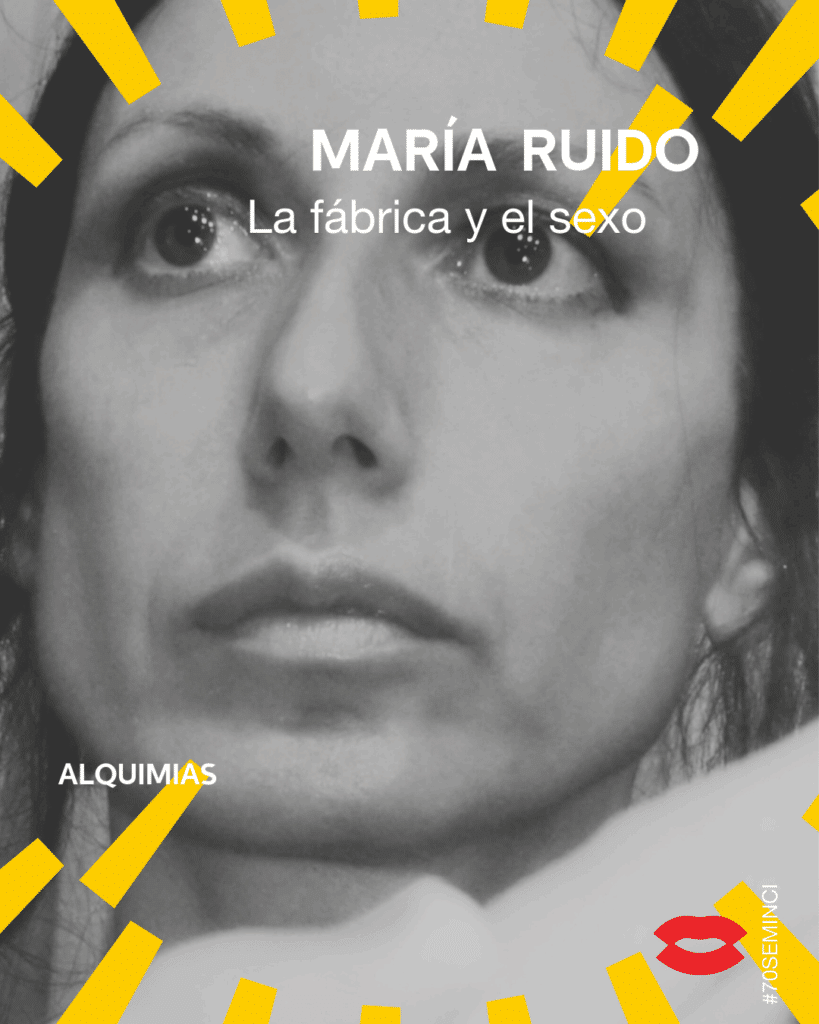
The line-up of the 70th SEMINCI explores family relationships, the bonds that sustain them and the conflicts that transform them. It also showcases new voices in Spanish cinema, including filmmakers Gabriel Azorín (Anoche conquisté Tebas), María Ruido (La fábrica y el sexo), Ana Serret (Apuntes para una ficción consentida) and Candela Sotos (Yrupê), who move between essay, history and fiction.
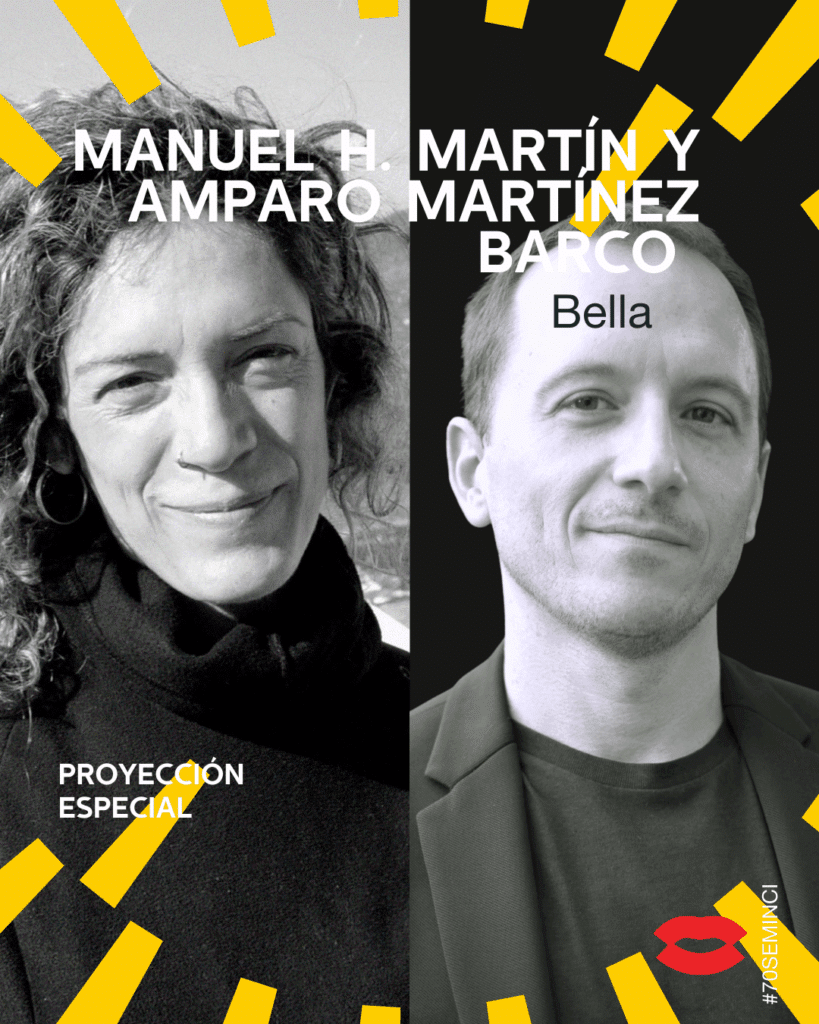
The programme also features two contemporary Spanish animated films that address current social issues: Olivia and the Invisible Earthquake, by Irene Iborra, which reflects on evictions through the eyes of a young girl, and Bella, by Manuel H. Martín and Amparo Martínez Barco, focused on gender-based violence.
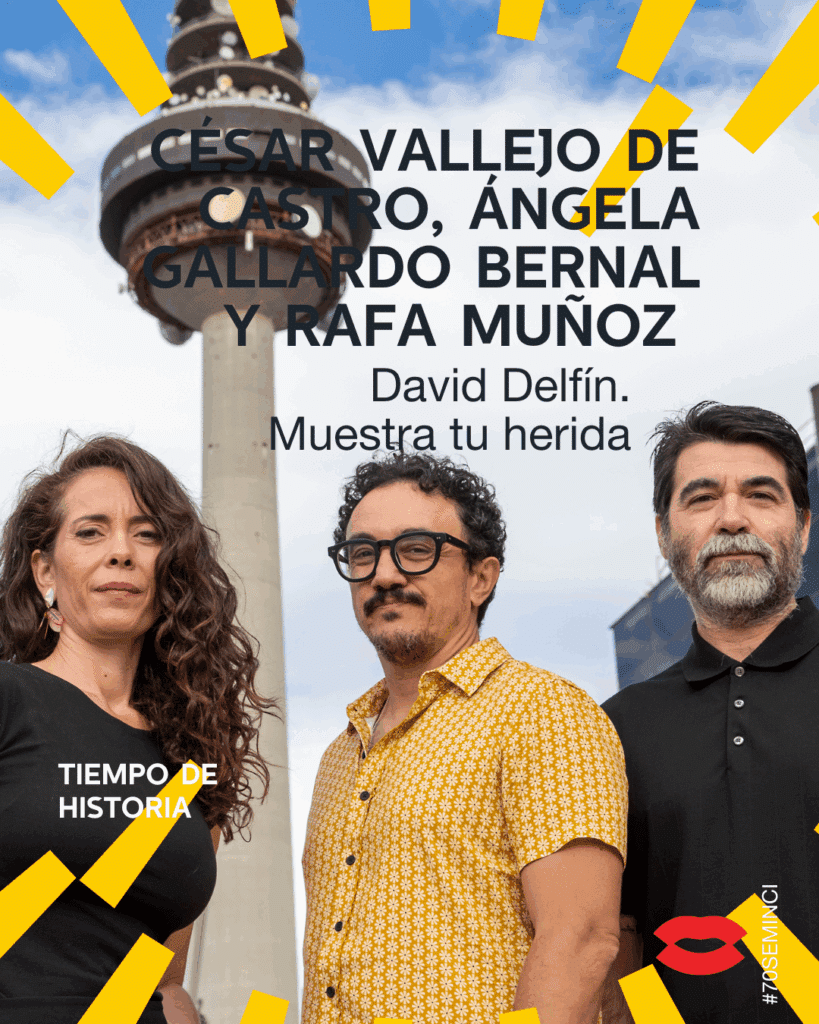
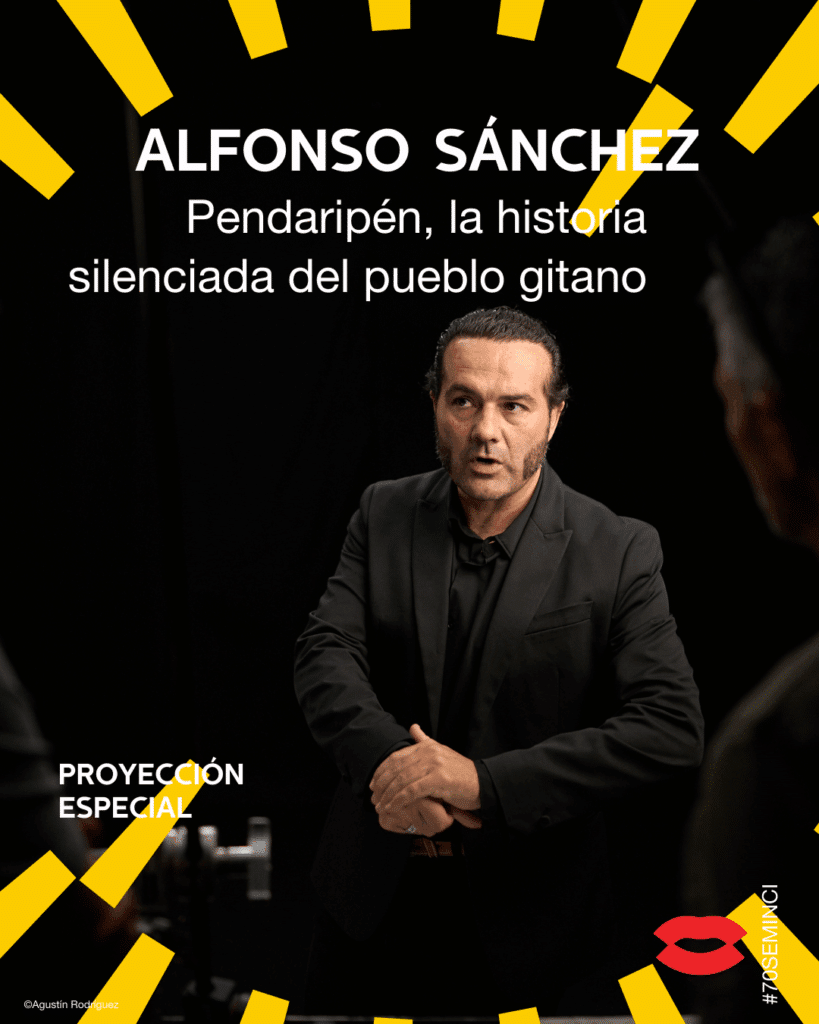
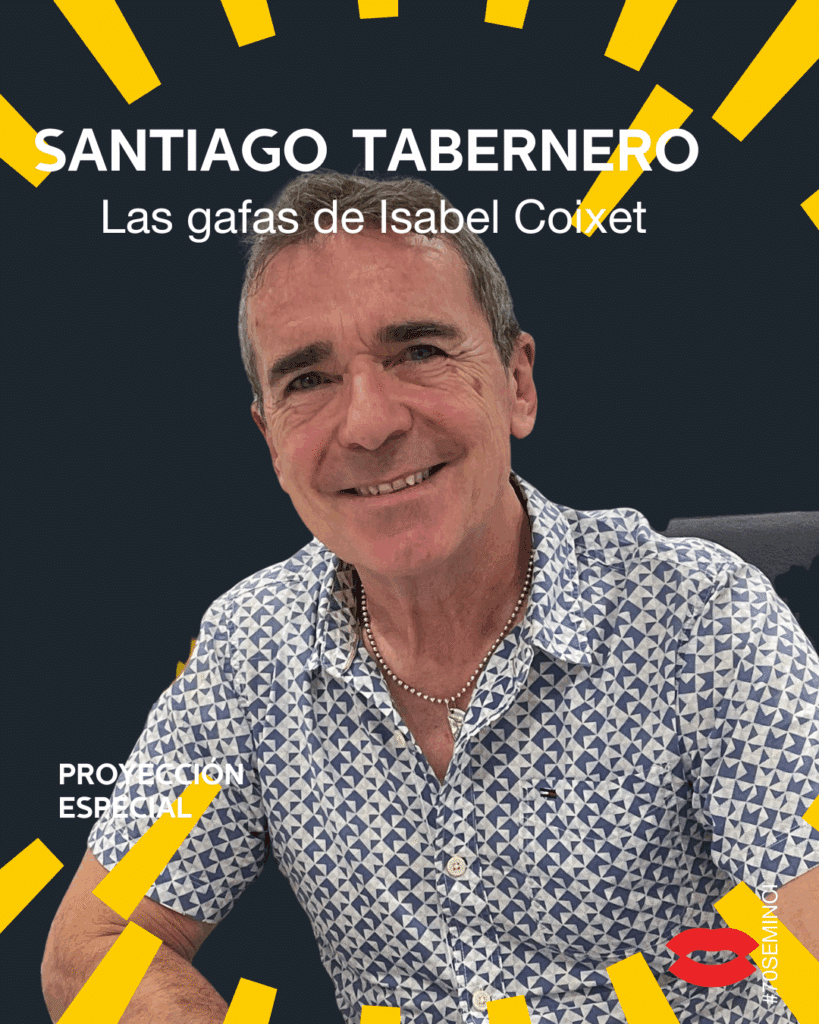
The list is rounded off by the documentaries David Delfín. Muestra tu herida (David Delfín. Show Your Wound), directed by César Vallejo, Ángela Gallardo and Rafael Muñoz, which portrays the late fashion designer; Las gafas de Isabel Coixet (Isabel Coixet’s Glasses), by Santiago Tabernero; Este cuerpo mío (This Body of Mine), the debut feature by actress Carolina Yuste and Afioco Gnecco, which addresses trans identity; and Pendaripén. The Silenced History of the Gypsy People, by Alfonso Sánchez.
Family scars and silenced traumas in the Official Section
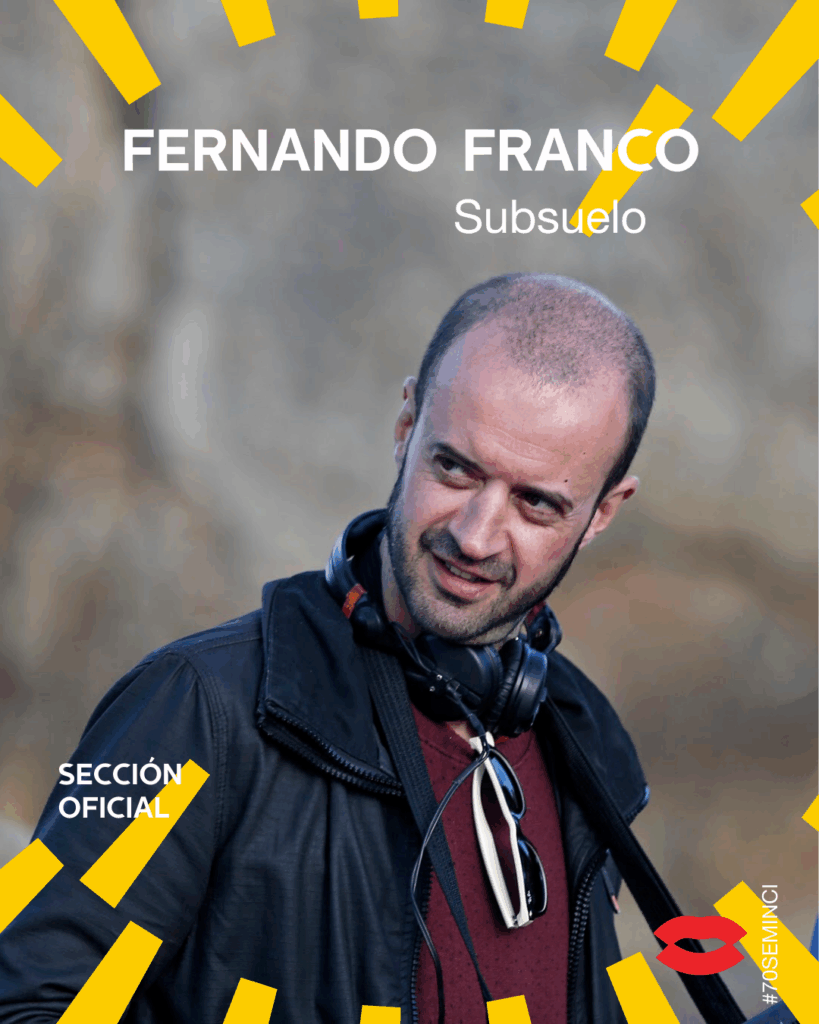
Fernando Franco (Goya for Best New Director for La herida) will compete at SEMINCI for the Golden Spike with Subsuelo, an adaptation of the novel of the same name by Marcelo Luján (Salto de Página, 2015), which explores a troubled relationship between two brothers after a tragic traffic accident. The film by the director of Morir and The Rite of Spring explores feelings of guilt and domination, with a remarkable cast of young actors, from Julia Martínez (La promesa) and Diego Garisa (Bienvenidos al Edén) to Itzán Escamilla (Élite) and Nacho Sánchez (Mantícora).
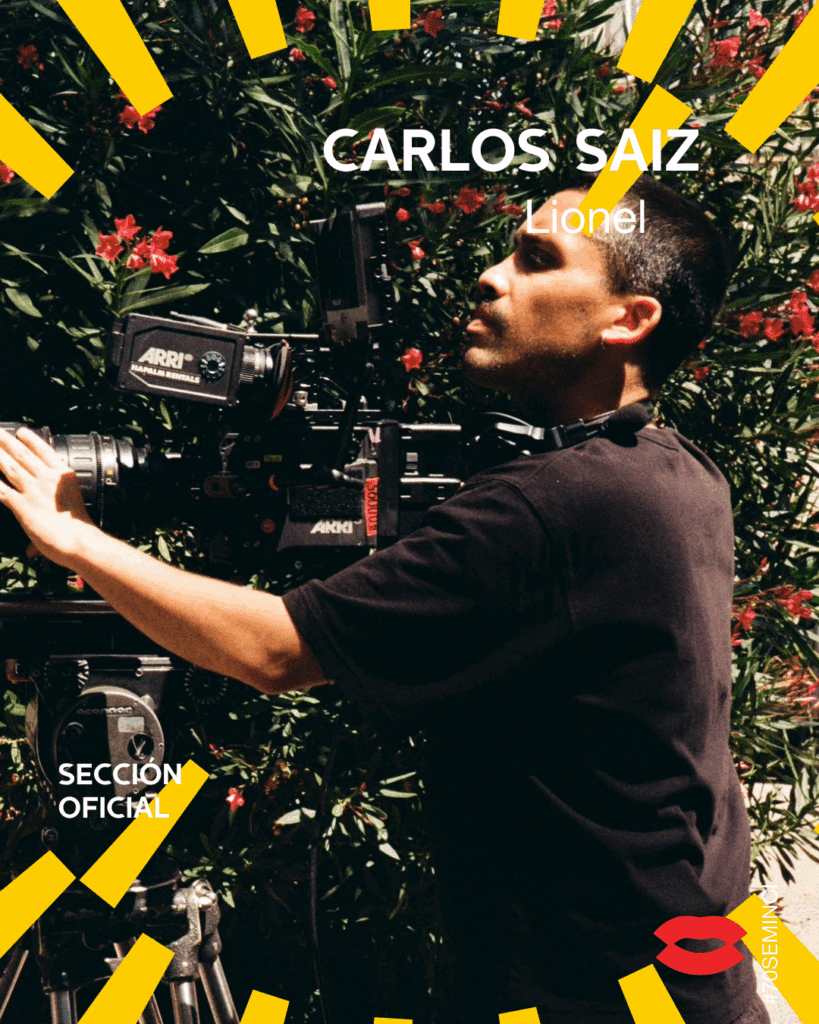
Newcomer Carlos Saiz weaves together realism, authenticity and sensitivity in Lionel, a road movie about the stormy relationship between a difficult and conflictive father who embarks on a journey, both physical and emotional, with his son from Murcia to northern France, during which their characters clash. Inspired by the family of a friend of the director, Saiz defines Lionel as a film that is ‘not fictional, but not a documentary either, which seeks to explore the magic of everyday life’.
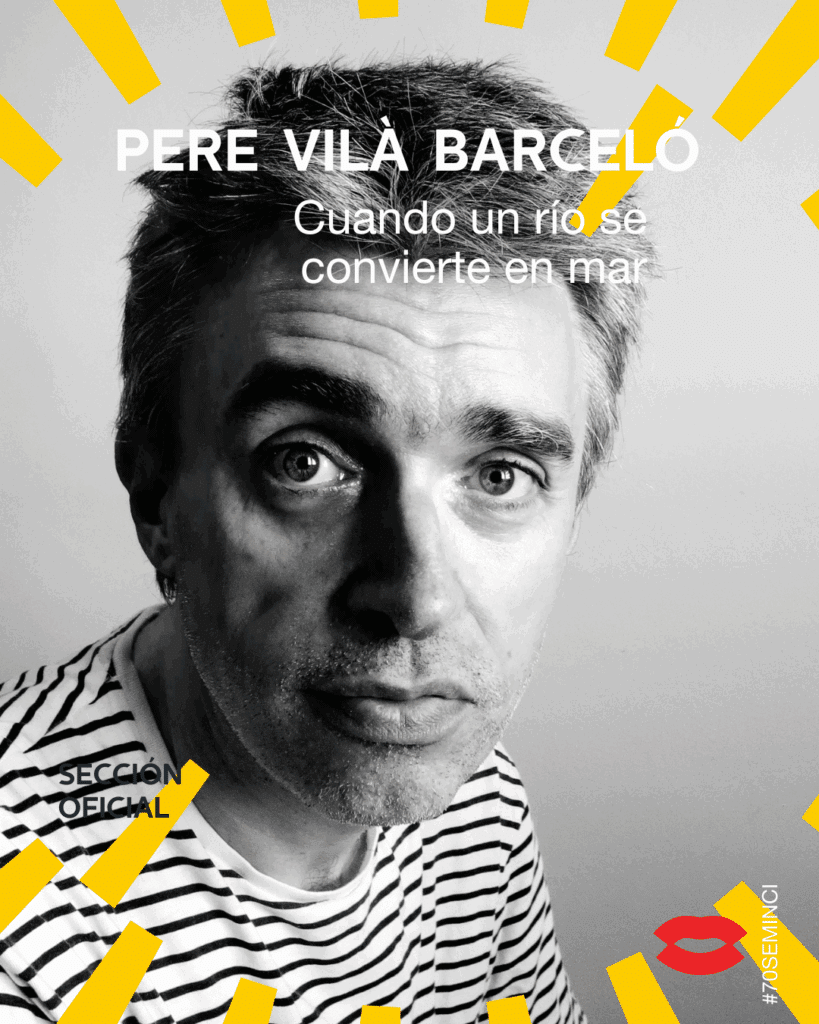
The third Spanish film to participate in the Official Section of this edition, Cuando un río se convierte en mar (When the River Becomes the Sea) by Pere Vilà Barceló (La lapidación de Saint Étienne), explores in depth the trauma suffered by a young woman after a sexual assault.The film presents not only the confusion and invisible wounds of the victim, but also how it reconfigures the lives of those around her: her father, a teacher who becomes her confidante, and the mother of the aggressor. Actress Claud Hernández is supported by the performances of Àlex Brendemühl (Best Actor Award at the Karlovy Vary Film Festival for this film), Bruna Cusí and Laia Marull.
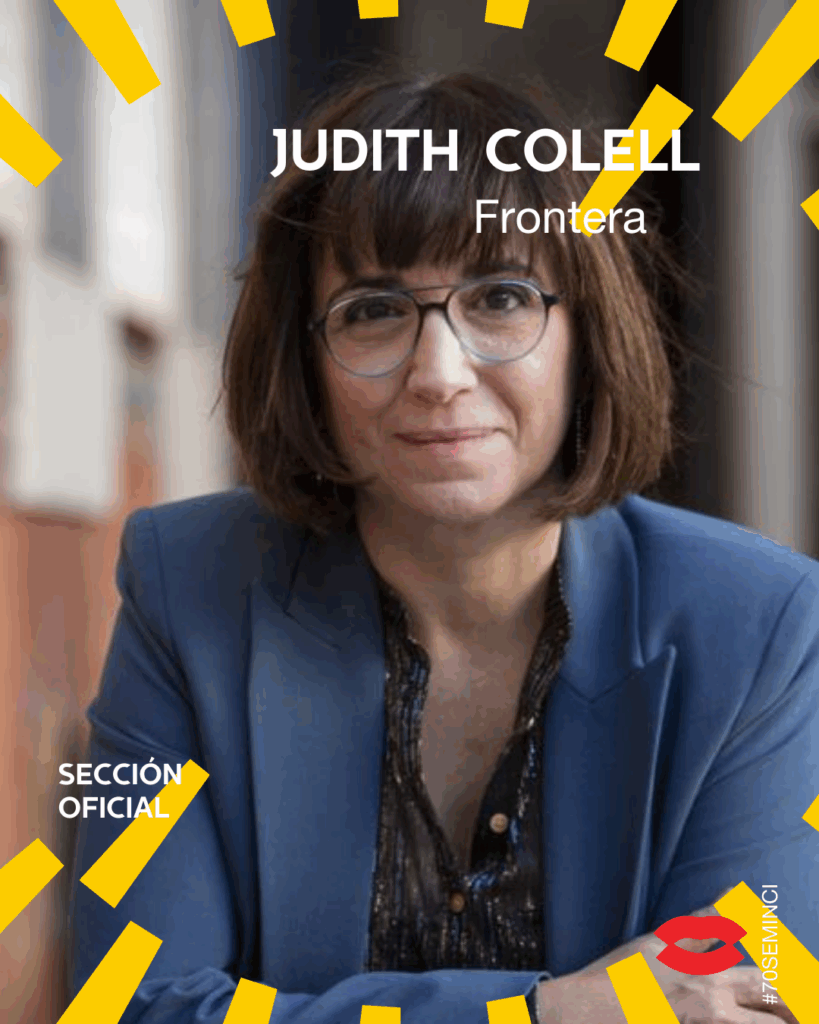
Out of competition, Judith Colell rescues a little-known episode in Spanish history in Frontera, a production co-funded by RTVE: the blockade of the border with France, following pressure exerted by Hitler’s government on Franco’s government to close the border to people, many of them Jews, fleeing across the Pyrenees during the Second World War. The director of Nosotras o Elisa K draws inspiration from real events to tell the story of how a group of inhabitants of a small village in Catalonia (played by Miki Esparbé, Bruna Cusí, Jordi Sánchez and María Rodríguez Soto) helped a group of refugees to sneak into Spain.
Meeting Point: Spanish cinema portrays a youth that defies uncertainty
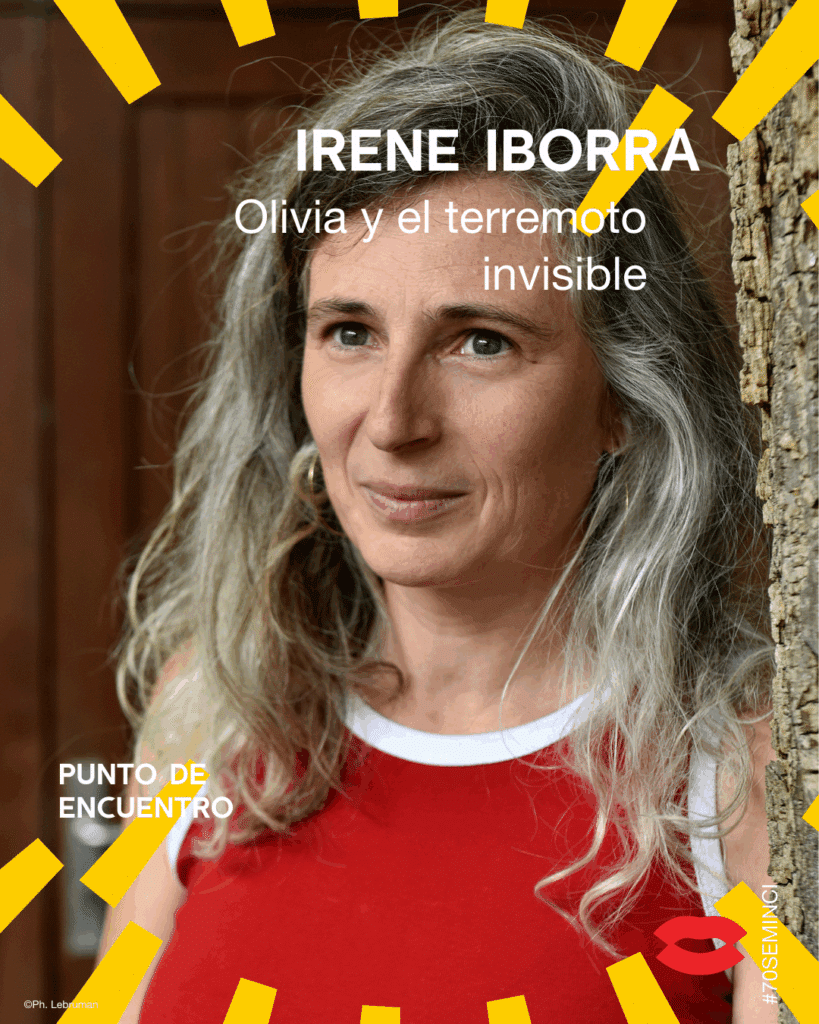
Irene Iborra makes history as the first Spanish director to make a stop-motion animated feature film with her debut, Olivia and the Invisible Earthquake, which is one of three Spanish productions selected for the Meeting Point section. The screenwriter, director and animator marks a milestone in national animated cinema with this innovative project. Her debut in the feature film format has already received an award at the Annecy Festival for, according to the animation festival, ‘tackling such a difficult subject as evictions in a luminous way, providing a social perspective and promoting the values of solidarity and mutual aid’. This work, an adaptation of the book La película de la vida (El Barco de Vapor. Ediciones SM) by Maite Carranza, combines realism with fantastical elements to reflect the inner world of the young female protagonist. The production also features two of the world’s most renowned stop motion artists, César Díaz and Britain’s Tim Allen, regular animators for filmmakers such as Wes Anderson and Tim Burton, as well as the voices of Emma Suárez and Jordi Évole.
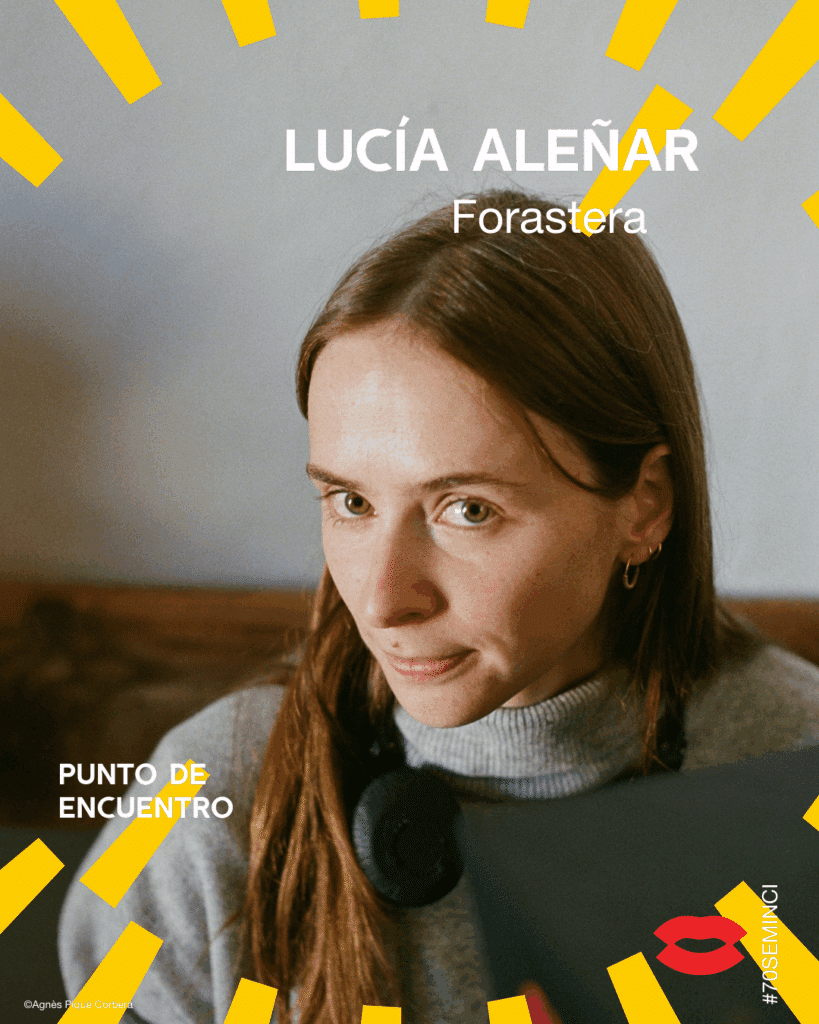
Lucía Aleñar won the Fipresci Award at the recent Toronto Film Festival for her debut feature film Forastera, a cinematic expansion of her short film under the same name, which premieres in Spain at SEMINCI. Shot in Mallorca, the film uses the bright summer landscape as a counterpoint to the intimate drama experienced by its protagonists: a teenager and her grandfather coping with the death of her grandmother. The director constructs a mature portrait of the emotions of mourning and the transition to adulthood, relying on the performances of Zoe Stein (Goya Award for Best New Actress for Mantícora and one of the stars of La caza. Monteperdido) and the renowned Lluís Homar (Broken Embraces, Bad Education, and Goya Award for Best Supporting Actor for Eva).
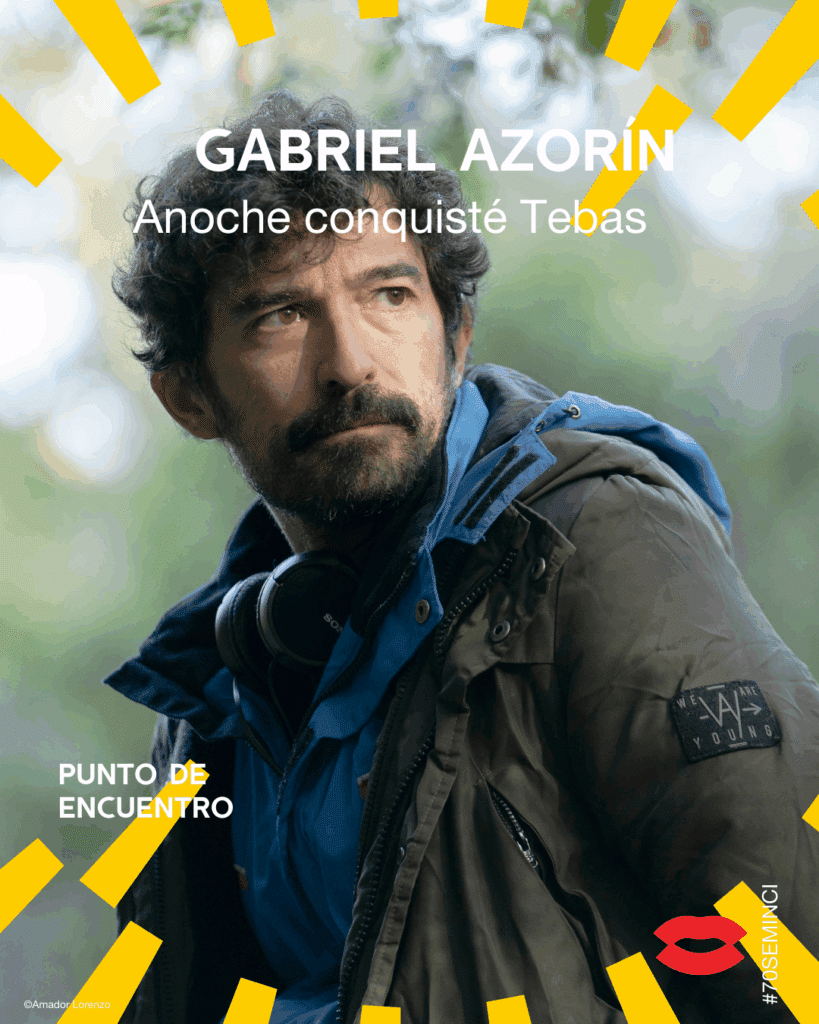
Male friendship and the fear of losing that connection that occurs in youth, when two friends tell each other things that no one else knows, is reflected in Gabriel Azorín‘s debut fiction film, Anoche conquisté Tebas (Last Night I Conquered Thebes). The film, which premiered in the Giornate degli autori section of the Venice Film Festival, was shot in the Roman baths of Bande (Ourense), where conversations intersect in various time frames with the rhythm of life itself.
Spanish documentary traces intimate geographies in Time of History
The SEMINCI section dedicated to non-fiction brings together two very personal works in competition, Este cuerpo mío and Yrupê, as well as the world premiere of an RTVE production with unpublished material and testimonies about fashion designer David Delfín.
Actress Carolina Yuste (La infiltrada) directed the Goya-nominated short film Este cuerpo mío with Afioco Gnecco, in which they closely followed the process of accepting Gnecco’s gender transition, as well as the friendship between the two. The feature film of the same title, premiering at SEMINCI, emphasises the value of mutual support in overcoming a crucial moment in the life of a transgender person, giving the protagonist a voice and an image.
In Yrupê, director Candela Sotos has followed in the footsteps of her great-uncle to create a film that blends science and poetry, as unique as the Amazonian aquatic flower that gives it its title. Despite the historical importance of the material filmed by Guillermo Fernández-Zúñiga, a pioneer of scientific cinema in Spain in the 1930s, much of his work has been lost. This includes the documentary La flor de Irupé, which he began during his exile in Argentina. The filmmaker undertakes an exercise in reconstructing personal memory, travelling through family stories and official archives to shed light on a biography that was hidden by the Franco regime.
“Show your wound” was the phrase by Joseph Beuys that David Delfín had tattooed on his body alongside a red cross as a symbol of healing. It is also the title of RTVE Play’s out-of-competition documentary about the fashion designer who died in 2017, directed by screenwriters and filmmakers César Vallejo and Ángela Gallardo (La última noche de Sonia Martínez, Pacto de silencio) and fashion journalist Rafael Muñoz. An emotional journey through the life and career of the revolutionary designer, David Delfín. Muestra tu herida includes previously unseen material and testimonies from his former partners Gorka Postigo, Pelayo Díaz, and Pablo Sáez, and from friends such as Pepón Nieto, Alaska, and Mario Vaquerizo.

Alchimies subverts codes: from indulgent fiction to media deconstruction
The challenge to traditional cinematic codes finds an echo in this section, which this year includes two Spanish artists and filmmakers with significant careers behind them. Ana Serret (Goya Award for Best Documentary Short Film for Extras in 2005) blurs the line between illusion and reality in Apuntes para una ficción consentida, the story of a Swiss actress lost in Madrid, played by Isabelle Stoffel (Hamlet_X, La virgen de agosto), who encounters a variety of characters along the way: a mute pianist, her crazy neighbor… (Àlex Brendemühl, Violeta Rodríguez).
In the film essay La fábrica y el sexo, visual artist and researcher María Ruido addresses the representation and objectification of women in the media, especially on Italian television. Ruido uses impressive archival work to identify, with great irony and multiple layers of interpretation, the commodification of the sexualization of women.
Resistance and rebellion in Special Screenings
Four very different films reflect the varied concerns and talent on display in contemporary Spanish cinema, presented by SEMINCI in its 70th edition.Within fiction, Leo & Lou, the debut feature by Carlos Solano (nominated for a Goya for the short film Extraño en la carretera) and co-produced by RTVE, portrays the road and sea journey of two characters who do not seem to fit into society and who are brought together by chance. A girl who runs away from a shelter (Julia Sulleiro) and a grumpy hustler (Isak Férriz); a girl who doesn’t speak and a man who doesn’t want to listen. A comedy that combines drama, adventure, and emotion, with a cast that includes Manuel Manquiña, Marta Larralde, María Pujalte, and Maggie Civantos.
Pendaripén (a Caló word meaning “history” or “story”) is the title of Alfonso Sánchez‘s ambitious documentary La historia silenciada del pueblo gitano (The Silenced History of the Gypsy People), which covers 600 years of gypsy history in Spain since the arrival of the first communities on the Iberian Peninsula. A project of “historical memory and social justice” that includes oppression, persecution, and resistance, but also cultural richness, miscegenation, and the contribution of the Gypsy community in Spain through the testimonies of anthropologists, historians, activists, artists, and members of the Gypsy community.
Bella, a new animated film by Manuel H. Martín and Amparo Martínez Barco (El viaje más largo), constructs a fable about gender-based violence through a ‘girl meets boy’ story that becomes a tale of imprisonment. The film denounces the social invisibility of abused women, haunted by the constant threat of their past.
Finally, director Santiago Tabernero (Vida y color) offers a panoramic view of the creative and personal universe of director Isabel Coixet in the RTVE documentary Las gafas de Isabel Coixet, who will open the 70th SEMINCI, showing the complexity and charm of the filmmaker by giving voice to professionals who have worked with her and those close to her.
SEMINCI embraces the series format: a journey of redemption from Vallecas to Jakarta
SEMINCI became a pioneering festival in introducing high-quality series with cinematic ambition into its programming. While the 69th edition presented one of the most outstanding series of 2024, Los años nuevos, by Rodrigo Sorogoyen, the 70th edition will show the latest work from the creators of Celeste, one of the most award-winning series of 2024, screenwriter and producer Diego San José and director Elena Trapé (Els Encantats, Las distancias). Yakarta is an original Movistar Plus+ series, consisting of six 30-minute episodes.
San José, known for his participation in the scripts of the comedies 8 apellidos vascos and Vota Juan, changes register in a drama with the soul of a road movie about a divorced and disillusioned former Olympic badminton player who survives by teaching physical education at a public high school in Vallecas. When he discovers a teenage player at a school tournament who could be his ticket to fulfilling his dream of competing in Jakarta, the city where former players like him are respected as stars, they embark on a journey that takes them through dingy guesthouses, run-down sports centers, and gas stations, from Totana to Ponferrada or Torrelavega, before arriving in the capital of Indonesia.
Javier Cámara, star of the series Vota Juan, its sequels, and Rapa, returns as the lead in a series created by San José, accompanied by Carla Quílez (Silver Shell for La maternal) as the teenager of this pair of broken characters who save each other. Cámara, who has already been behind the camera in other series starring him, also directs some of the episodes of Yakarta, alongside Elena Trapé and Fernando Delgado-Hierro. The script is written by Diego San José, Daniel Castro, and Fernando Delgado-Hierro.
Spanish short films in International and Spanish competition
The four Spanish short films joining those already announced for the International Official Section include the humorous animated work Lucus, by award-winning Galician director and Goya nominee David Fidalgo, and the European premiere of the Spanish coming-of-age film Loquita por ti, directed by Greta Díaz Moreau from Valladolid, who already won an award at SEMINCI in 2019 as the producer of Solsticio de verano.
Another award-winning filmmaker at SEMINCI and the César Awards, Gala Hernández López (La mecánica de los fluidos, 2022) returns to Valladolid to present +10K, one of the most acclaimed short films from the latest edition of Cannes. An example of essay cinema, it explores the dream of a young man from Tarragona, Pol Gascó, to earn €10,000 a month by investing in cryptocurrencies. Irene Moray completes the quartet that will compete with other international works with her eagerly awaited new film, Plàncton. Premiered in Locarno, this short film revisits the ideas about female desire that she already explored in Suc de síndria (Goya and Gaudí awards and EFA nomination for best short film of 2019).
The Official Spanish Short Film Section brings together five world premieres covering a wide range of themes, with a notable participation of female filmmakers, as is the case in the selection included in the international competition. Among them are Diana Toucedo (Trinta Lumes), who explores Mayan myths and the debate between preservation and development in La historia todavía no conoce mi nombre (History Still Doesn’t Know My Name), developed in collaboration with Thai filmmaker Apichatpong Weerasethakul, and Júlia Coldwell Serra, who surprises with the dramatic comedy of unforgettable characters, Ningú borda (Nobody Barks).
Also premiering at SEMINCI is Instrucciones para cocinar un pollo bajo tierra, by Nacho Sánchez and Olivia Delcán, which transports viewers to a film shoot. Animation is also present in this competitive section with La diva, mi abuela y yo by Inés G. Aparicio, which revives the figure of the cupletista Lilian de Celis. Finally, Las colillas de mi casa by Eduard Amado offers Ingrid Rubio the opportunity to shine in a solid and complex family drama.
The program of Spanish short films is completed with four other works that were selected at Cannes, FID Marseille, Go Short, and Berlin, respectively: Per bruixa i metzinera, by Marc Camardons, a fantastic story that recovers rural memory and legends of the Pyrenees about witches; Abortion Party, by Julia Mellen, which generates a soliloquy about moments linked to her youth; Un piso estupendo, by Gabriela Isabel Gómez de Arteche, Alejandra Llorens, Daniel Pérez, Camila de Lucas, and Jaime Marqués, tackles the issue of housing in a creative format; and Casi septiembre, by Lucía G. Romero, a queer coming-of-age story that overflows with vitality.