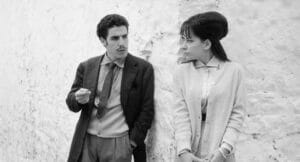
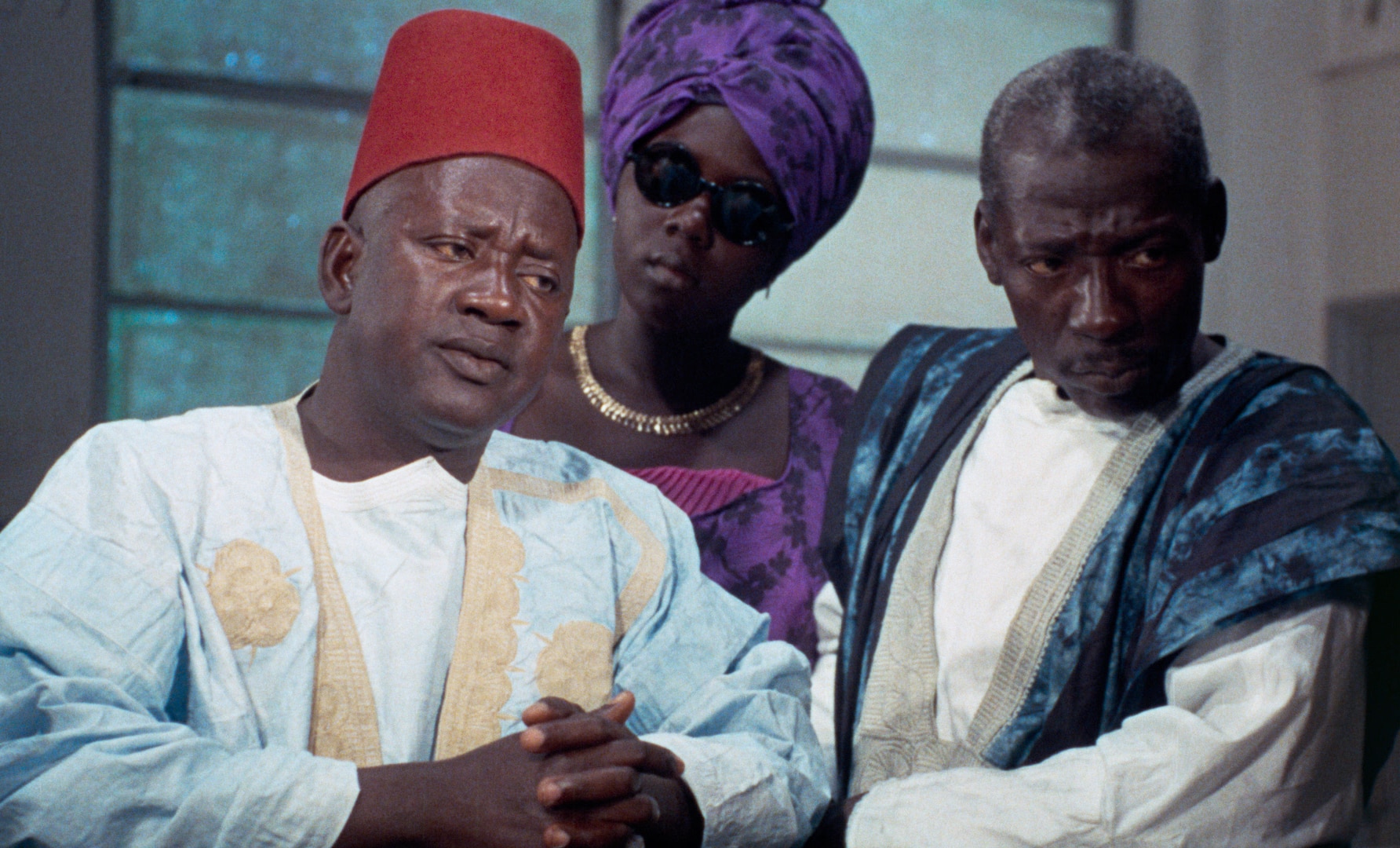
One day, Ibrahima Dieng receives a letter containing a money order for twenty-five thousand CFA francs from his nephew, a street sweeper in Paris. Ibrahima, without work in Dakar, and with a large family to support, can only keep 2,000 CFA francs; a portion must be kept aside for his nephew and the rest to be given to his sister. But the news spreads fast in his neighbourhood... Women, his neighbours and family see in this promise of money their escape. Ibrahima is generous and does not refuse loans or small services. However, when he goes to cash the cheque, he is asked for his identity card, which he does not have and cannot obtain without a birth certificate.
Ousmane Sembène
Considerado ‘el padre del cine africano’ y figura clave en el despertar cultural del África postcolonial, nació en 1923 en Ziguinchor (Senegal) y falleció en 2007 en Dakar. Autodidacta, publicó la novela ‘Le Docker noir’ (1956) y se formó como cineasta en los estudios Gorki de Moscú. Su primer largo, ‘La Noire de…’ (1966), se alzó con el Premio Jean Vigo y con ‘El giro’ (1969) compitió por la Espiga de Oro en Valladolid. Sus películas ‘Emitai’ (1972) y ‘Outsiders’ (1977) fueron premiadas en Berlín, con ‘Xala’ (1977) se alzó con el gran premio del jurado en Karlovy Vary, el Festival de Moscú le otorgó su Premio de Honor en 1979 por su contribución al cine y el Festival de San Francisco le entregó el Premio Akira Kurosawa en 1993 por su trayectoria. Además, con ‘Camp de Thiaroye’ (1988) conquistó hasta cinco premios en Venecia, donde también fue reconocido posteriormente por ‘Guelwaar’ (1992), mientras que ‘Moolaadé (Protección)’ (2004) ganó dos premios en la sección Un Certain Regard del Festival de Cannes, que un año después le premió con la Carroza de Oro.
DIRECTOR
Ousmane Sembène
SCREENPLAY
Ousmane Sembène
CINEMATOGRAPHY
Paul Soulignac
EDITOR
Gilbert Kikoïne, Max Saldinger
SOUND
Henry Moline
PRODUCTION
Jean Maumy, Robert de Nesle
PRODUCTION COMPANY
Films Domireve, Comptoir Français du Film Production
CAST
Makuredia Guey, Yunus Ndiay, Isseu Niang, Mustafa Ture, Farba Sar, Serine Ndiay, Mamadou Cisoko, Thérèse Bas