

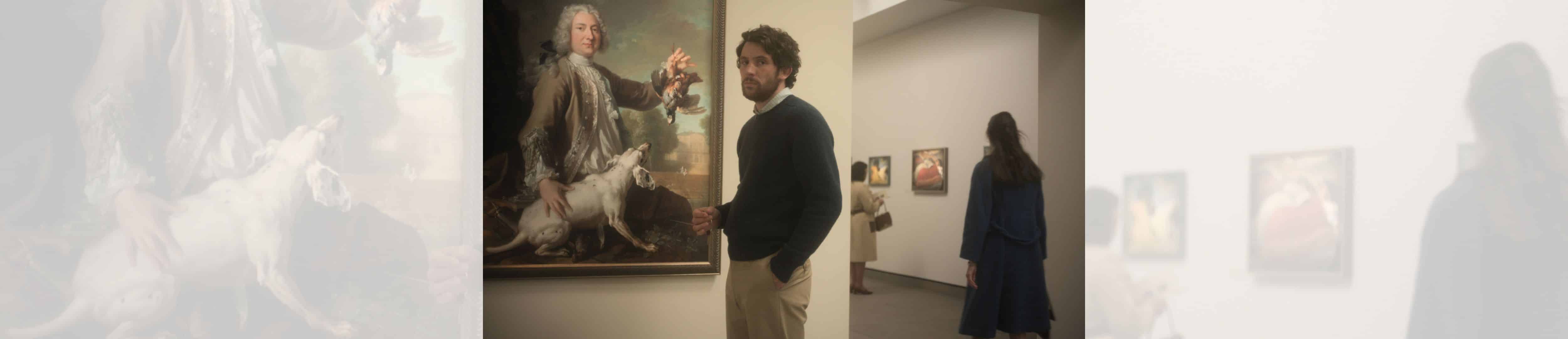
- The ingenious provocation of Harry Lighton (‘Pillion’), the belligerence of Nadav Lapid, the best director of the latest Berlinale Huo Meng and the cinephilia of Ramiro Sonzini and Ezequiel Salinas join the international competition
- ‘I’m Glad You’re Dead Now’ by Tawfeek Barhom and “Without Kelly” by Lovisa Sirén, winners of the Best Short Film Award at Cannes and Venice 2025, will participate in the Official International Short Film Section
The 70th edition of the Valladolid International Film Week (Seminci) will present in its Official Section, alongside the already announced titles from prominent figures such as Sergei Loznitsa, the Dardenne brothers, Lav Diaz or Bi Gan, a programme that embraces both portraits of women who defy established codes, a look at the transformation of the world through innocence, and provocative X-rays of the present.
Rebellious and defiant
A good part of the titles in this edition’s Official Section delve into powerful female portraits of charismatic women united by their contradictory character, though distant in their life circumstances.
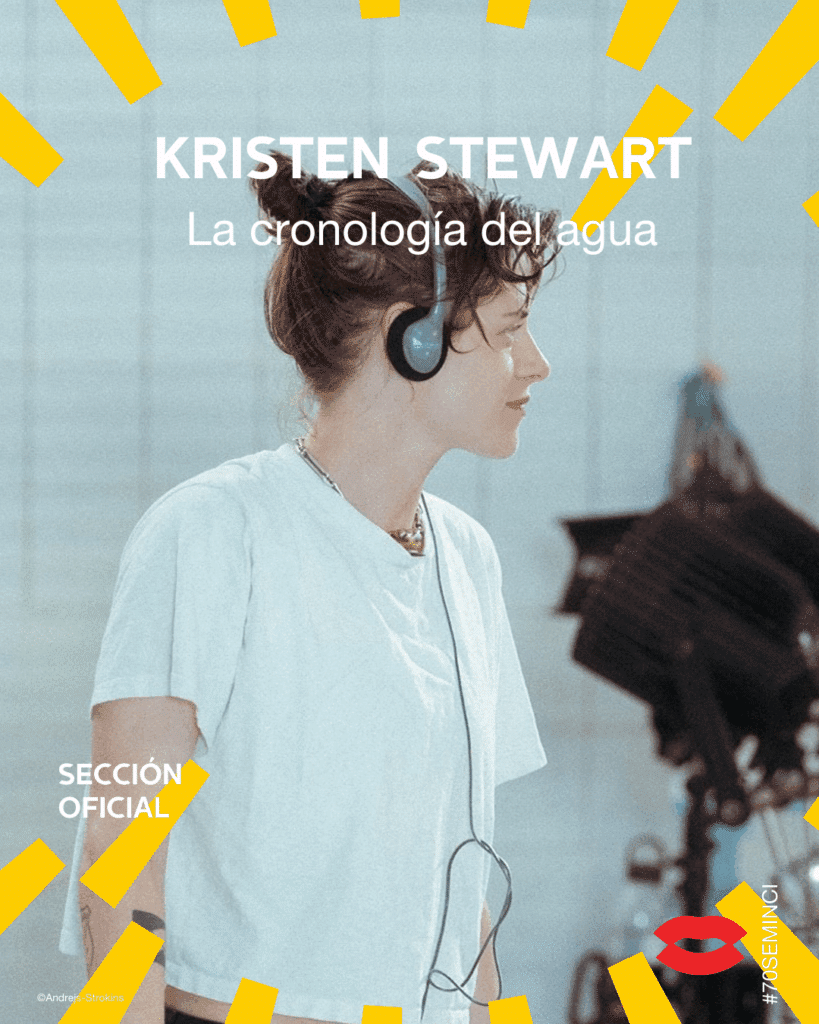
For her directorial debut, Kristen Stewart adapts The Chronology of Water, the memoirs of novelist Lidia Yuknavitch, who, after a childhood marked by violence and abuse, plunges into a spiral of sex, addictions and destructive relationships until finding redemption in writing.
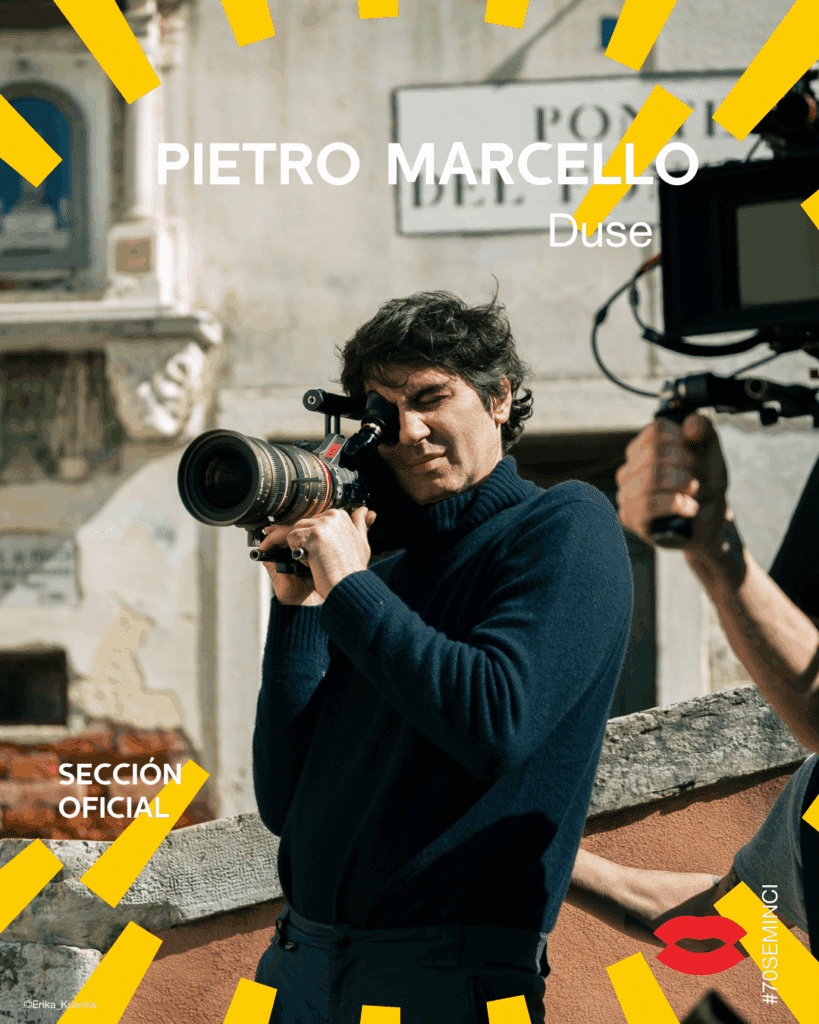
From the perspective of a woman at the height of success, Pietro Marcello, master in the use of archival material to interweave real history and fiction, centers the plot of Duse, a biography of Eleonora Duse, the Divine, on the final years of the legendary theatrical actress, set against the rise of fascism in Italy. Valeria Bruni Tedeschi embodies the protagonist of this film, whose cast also notably features Noémie Merlant (Portrait of a Lady on Fire).
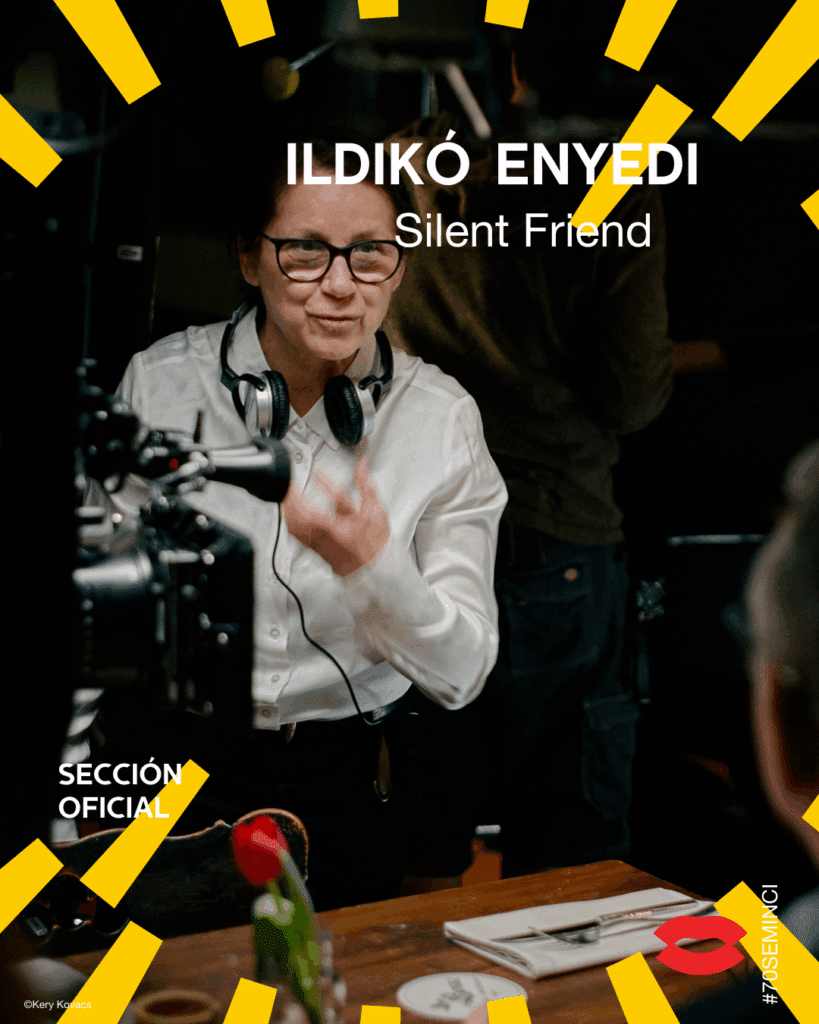
Although Silent Friend, by Hungarian filmmaker Ildikó Enyedi (Golden Bear for On Body and Soul), interweaves three stories across more than a hundred years (1908, 1972 and the present) to show the liberating effect that plants have on people, it also includes a powerful feminist message through the episode starring Luna Wedler, winner of the best emerging performer award in Venice. Ildikó Enyedi’s seventh feature, which also features Tony Leung (In the Mood for Love) and Léa Seydoux (Blue Is the Warmest Color), amazed and conquered the Venice Biennale by presenting a hypnotic point of view centered on a tree, silent witness to the vicissitudes of three generations.
Cinema as refuge and inspiration
This year coincides with several titles that dialogue with cinema itself, either through the reinterpretation of its genres, or by turning the movie theater into a space of refuge and evocation.
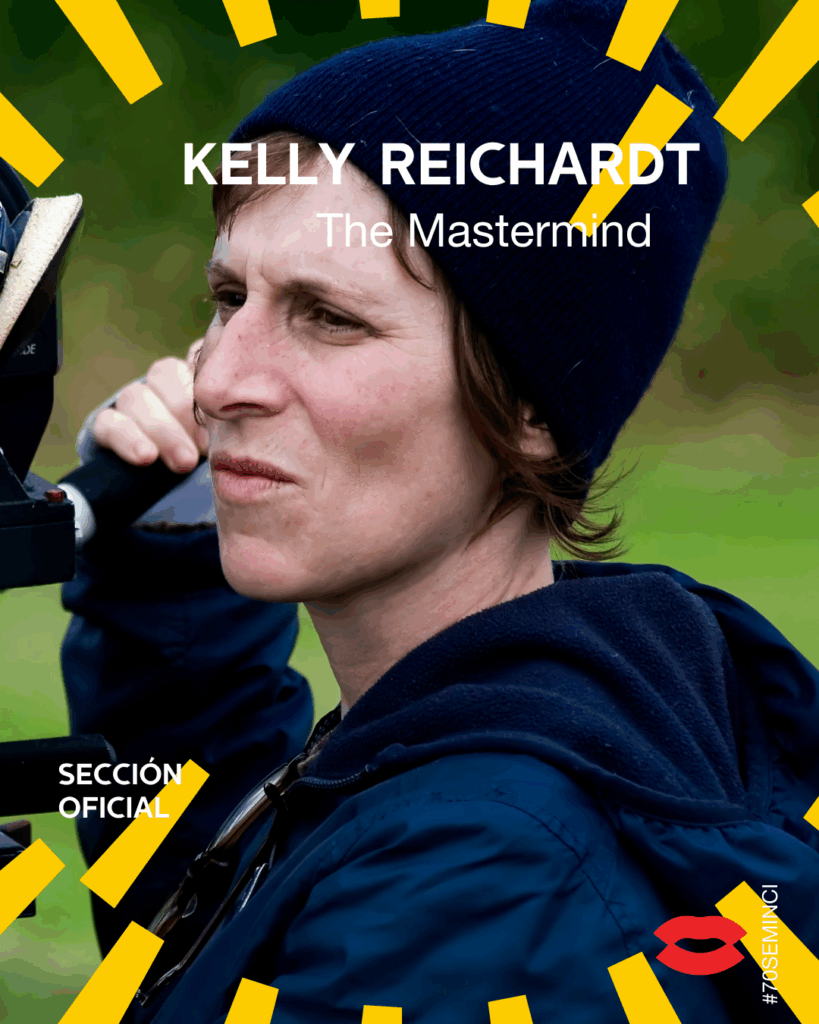

Kelly Reichardt (First Cow, Meek’s Cutoff), one of the great authors of American independent cinema, plays with the heist film genre (art theft, in this case) in The Mastermind to offer a moving and subtle look at precarity and class differences in the United States. Josh O’Connor (Challengers, La Chimera) embarks on a reckless criminal adventure against the backdrop of the Vietnam War and the flourishing women’s liberation movement.
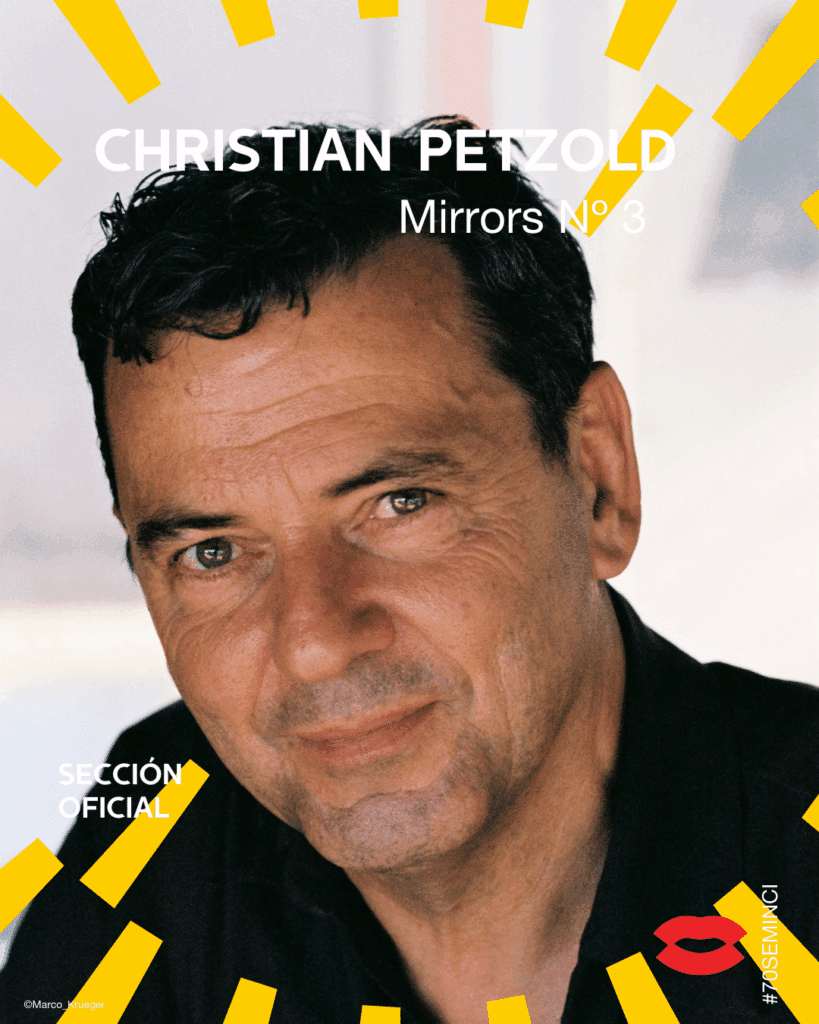
The renowned Christian Petzold (Red Sky, Barbara, Undine) opts in Mirrors Nº3 to revisit the psychodrama with sobriety and elegance based on a recurring plot throughout cinema history: after a tragic accident, a woman loses her memory and struggles to reconstruct her life and her own identity within a family that, in turn, harbors a mystery. The film stars the great Paula Beer, recognized with the best actress award at both Berlinale and by the European Film Academy.
The movie theater is the protagonist in The Night Is Already Leaving, a work by Argentinians Ramiro Sonzini and Ezequiel Salinas, winners of the Golden Spike for best short film in 2021 with My Last Adventure. An extravagant group of people living in precarious economic circumstances faces the possible eviction from the old cinema palace where they live. In this place, among old seats and film canisters, they have founded almost a home, something like a family.
The eyes of the world
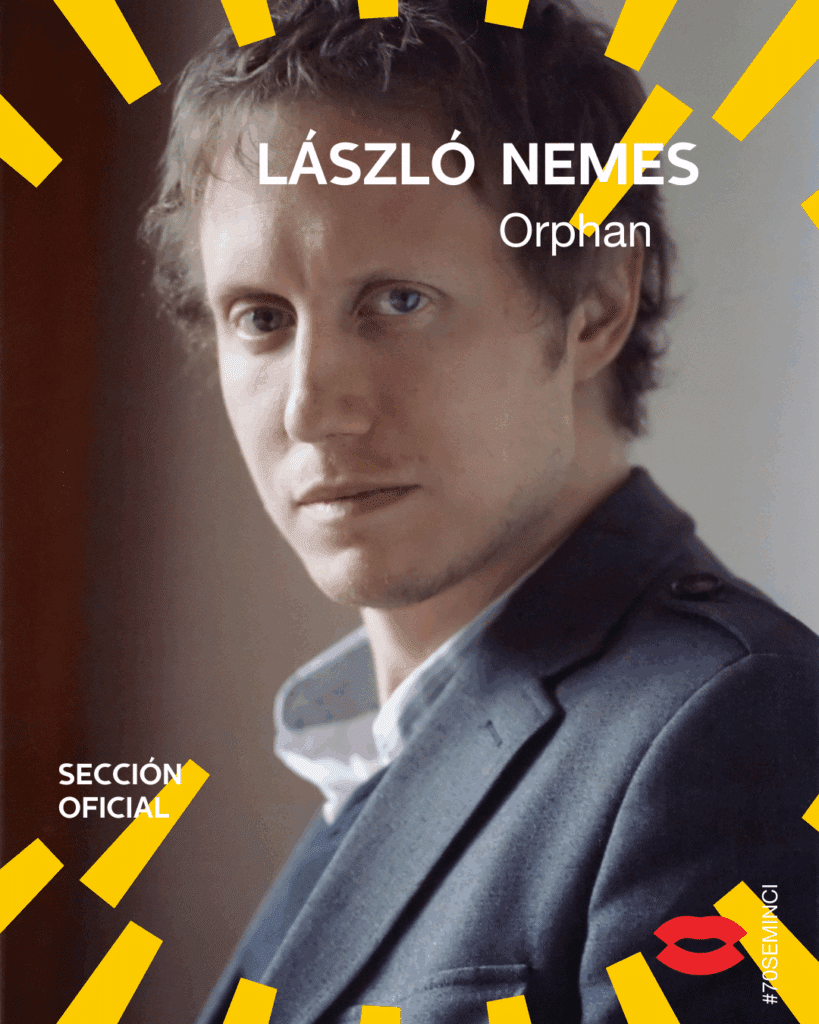
Up to three titles offer a reading of a world in transformation from an innocent perspective. First, Orphan, by Oscar winner for Son of Saul László Nemes, is a harrowing tale of survival in the turbulence of the 20th century in the heart of Europe. Between the devastation left by the Holocaust and the tyranny of the communist regime that crushed the 1956 uprising, a young man still maintains hope of recovering his father who disappeared years earlier.
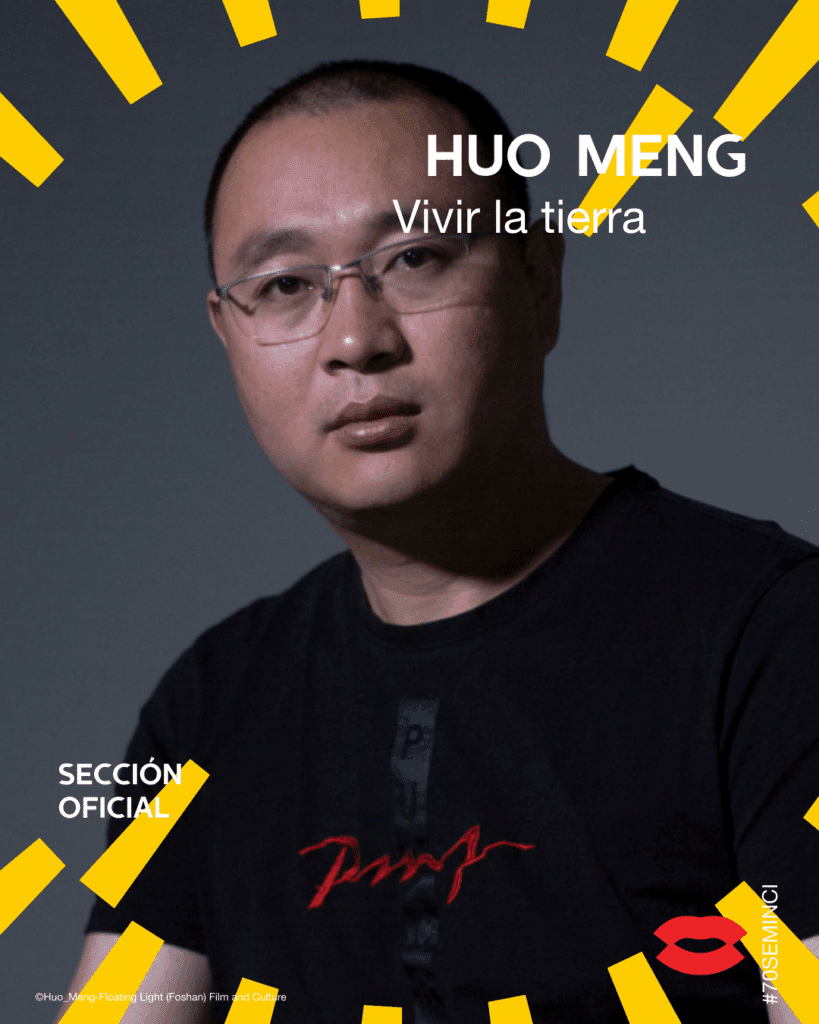
Very different is Living the Earth, by Huo Meng, winner of the best direction award in Berlin, which establishes subtle connections between 1980s China and the present in a tender and delicate coming-of-age story, starring a ten-year-old boy who is forced to stay in his village when his family migrates to the city. In the rural environment, where traditions mark the daily rhythm of its inhabitants’ lives, he witnesses the arrival of technology, which will transform their way of life.
Out of competition, Girl explores the relationship between a mother and daughter in 1990s Taiwan. The directorial debut of star Shu Qi (The Assassin, Millennium Mambo, The Transporter) draws a tale of sisterhood and female complicity between two girls, one quiet and withdrawn, who grows up wrapped in an oppressive and sad environment, and another vibrant and carefree.

Cinema as provocative agent
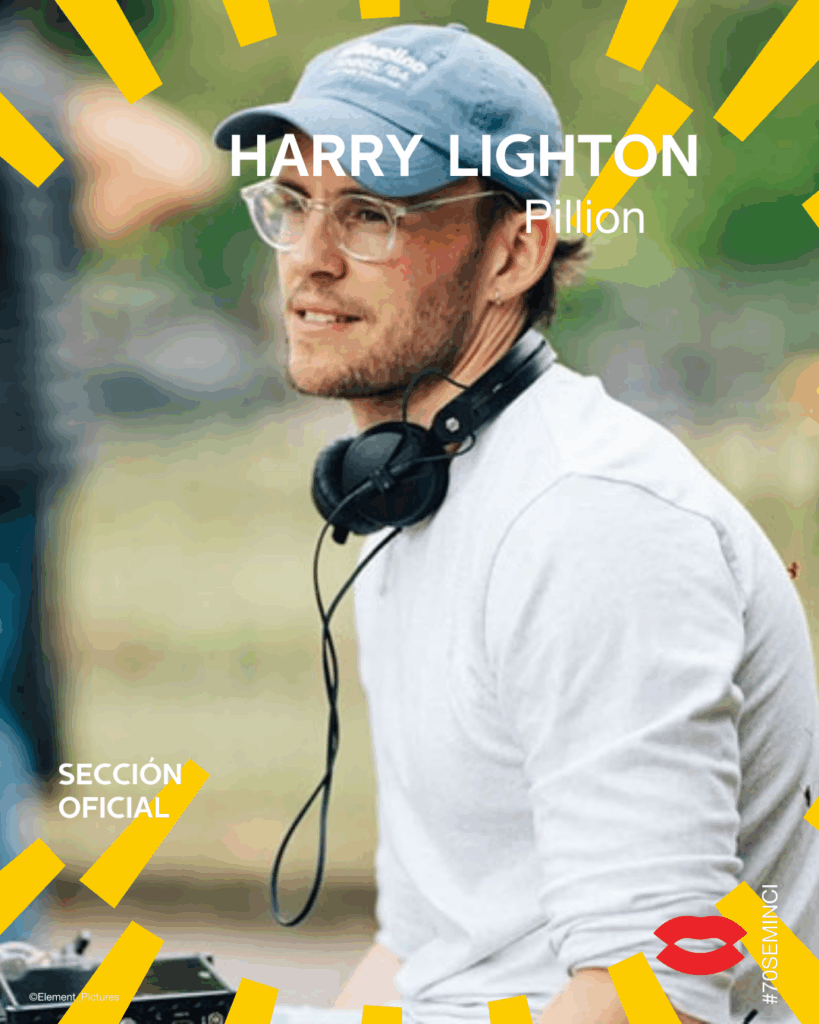
Among the Official Section feature films with a more heterodox starting point, but which won the public’s affection at last year’s Cannes festival, is Pillion, Harry Lighton‘s debut feature, in which Alexander Skarsgård (The Northman) and Harry Melling (The Queen’s Gambit, Harry Potter) experience an unexpected romance. An adaptation of Adam Mars’s novel Box Hill, the British director portrays with surprising tenderness a gay submission relationship that becomes a moving journey of maturation and self-discovery.
Finally, Yes, the proposal from the angry and dissident voice of Nadav Lapid (Golden Bear for Synonyms in 2019 and Jury Prize at Cannes for Ahed’s Knee in 2021), who has spent more than a decade denouncing the decadence and cruelty of the Israeli State. A couple of unsuccessful artists (he a musician, she a dancer) submit to the dictates of political order, accepting a commission to improve their status, ultimately putting their talent, their soul and their bodies at the service of a regime where hatred and manipulation rule.

A Master of Reality in Competition
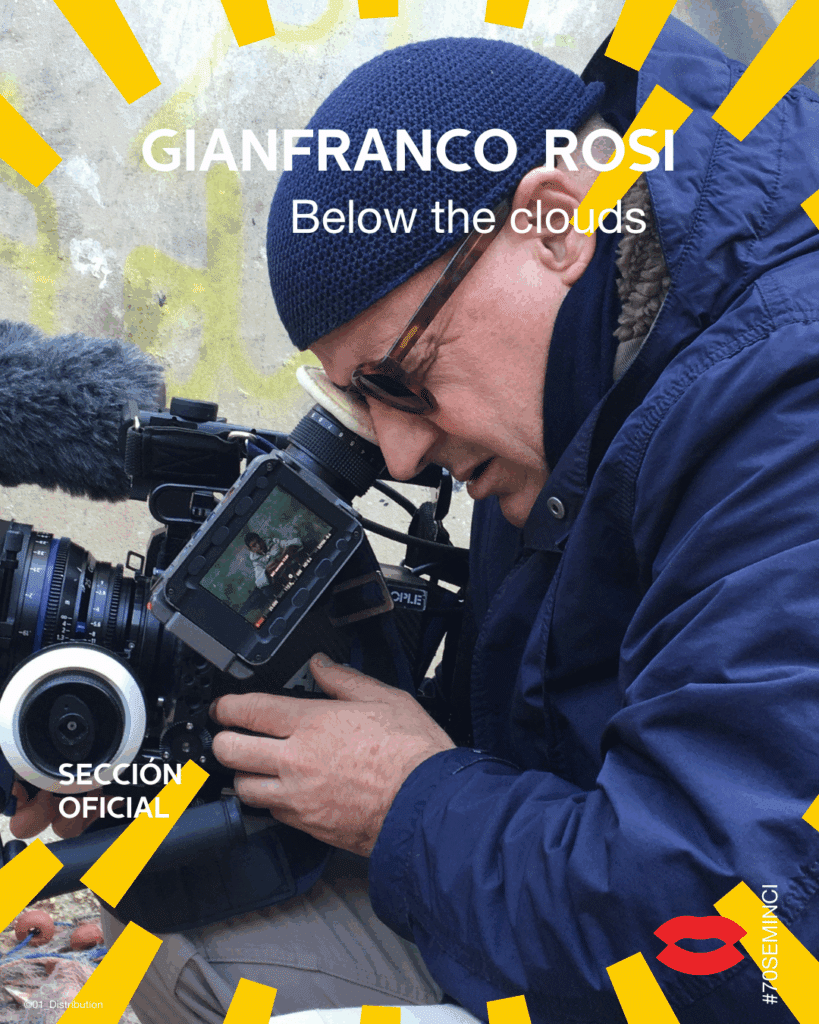
With Below the Clouds, the brand-new winner of the Special Jury Prize at Venice, Gianfranco Rosi (Golden Bear for Fire at Sea and Golden Lion for Sacro GRA) delves into the past and present of Naples to reflect eternal, universal, and urgent issues. From archaeologists still discovering treasures from Pompeii to migrants living in the abyss, Rosi’s camera captures the echoes of History that still remain, filmed in expressive and elegant black and white. An essential and illuminating X-ray of the concerns and contradictions of the human condition.
These titles join the competition for the Golden Spike, which already includes the previously announced Newborns by Luc and Jean-Pierre Dardenne; Two Prosecutors by Sergei Loznitsa; Magellan by Lav Diaz; Resurrection by Bi Gan; The Blue Trail by Gabriel Mascaro; The Left-Handed Girl by Shih-Ching Tsou; Sorry, Baby by Eva Victor; Sound of Falling by Mascha Schilinski, in addition to the Spanish productions that will be announced in the coming days.
International Official Short Film Section
The International Official Short Film Section of the 70th edition of SEMINCI will bring together fourteen works from eleven countries, in addition to the Spanish titles that will be announced shortly. Among them are the works that won first prize in their category at the latest editions of the Cannes and Venice film festivals and which will premiere in Spain at SEMINCI.
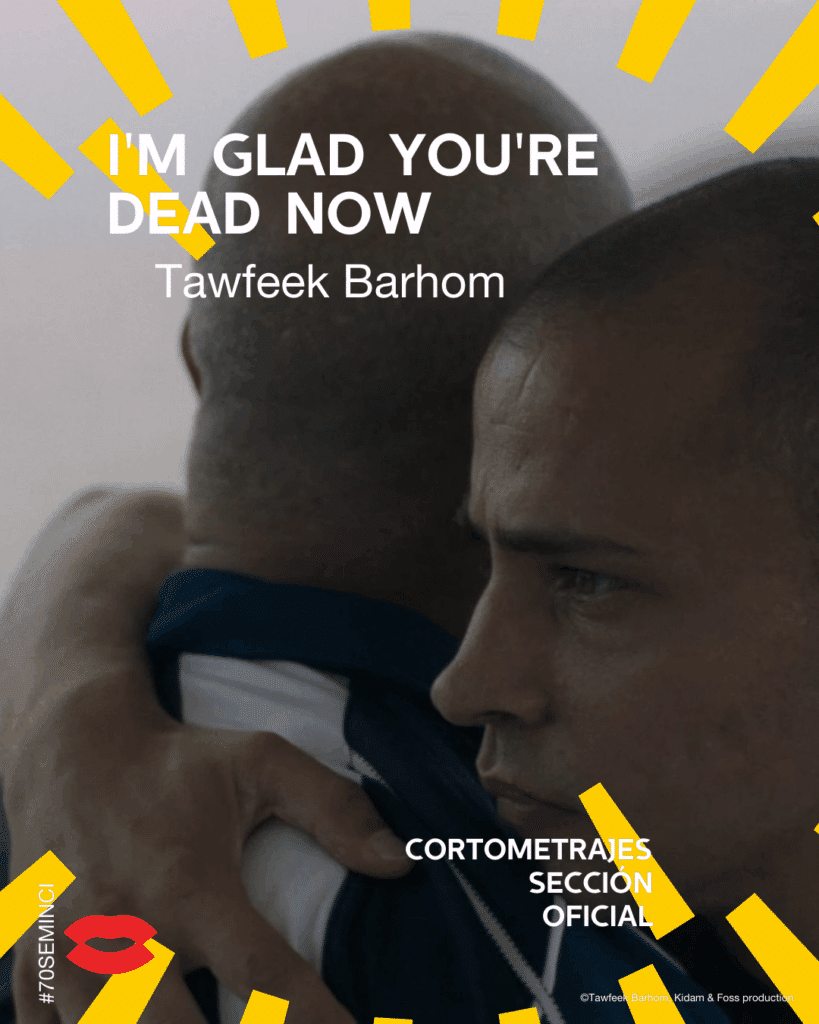

The 2025 Palme d’Or winner, I’m Glad You’re Dead Now, directed by and starring Tawfeek Barhom, is a notable example of contemporary Palestinian cinema. The short film, the directorial debut of the star of Cairo Conspiracy (presented at the 67th SEMINCI), addresses universal themes such as family ties and the weight of the past through an intimate narrative.
The Swedish short film that won the Orizzonti section at the 2025 Venice Film Festival, Without Kelly, translates director Lovisa Sirén‘s personal experiences as a young mother (she had her first child at the age of 20) into a fictional story about family relationships and separation. The Swedish filmmaker already competed at SEMINCI in 2016 with Baby.
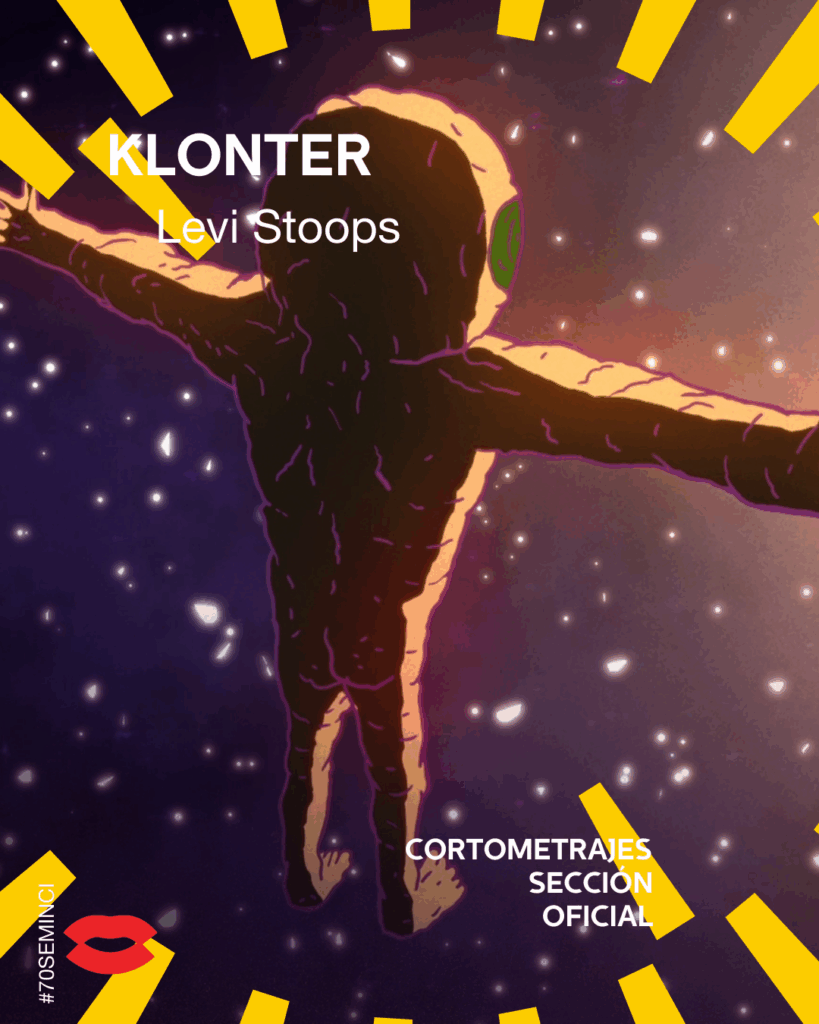
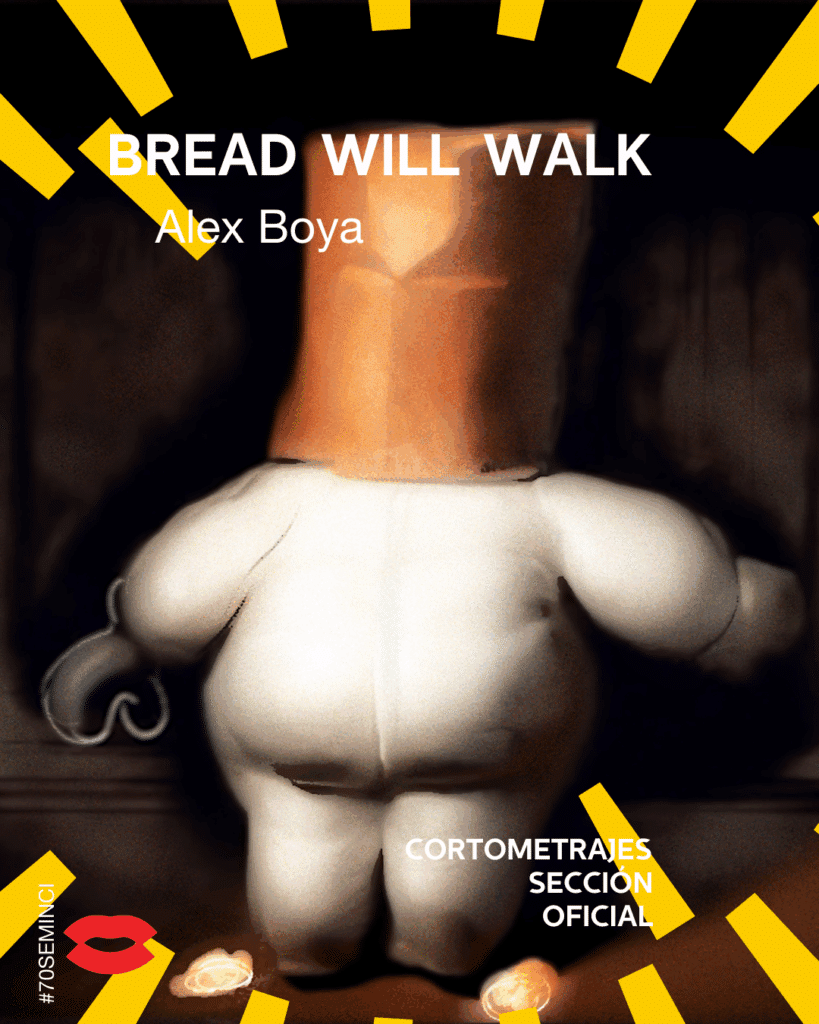
The 70th edition will also feature the Spanish premiere of Levi Stoops‘ punk-inspired animated film Klonter (winner of the Jury Award Short Film at the 2023 Annecy Festival for Drijf). SEMINCI will premiere two other animated films in Spain in this section: the moving Portuguese film Dog Alone, by Marta Reis Andrade, and the zombie-themed brotherly love story Bread Will Walk, directed by Alex Boya.

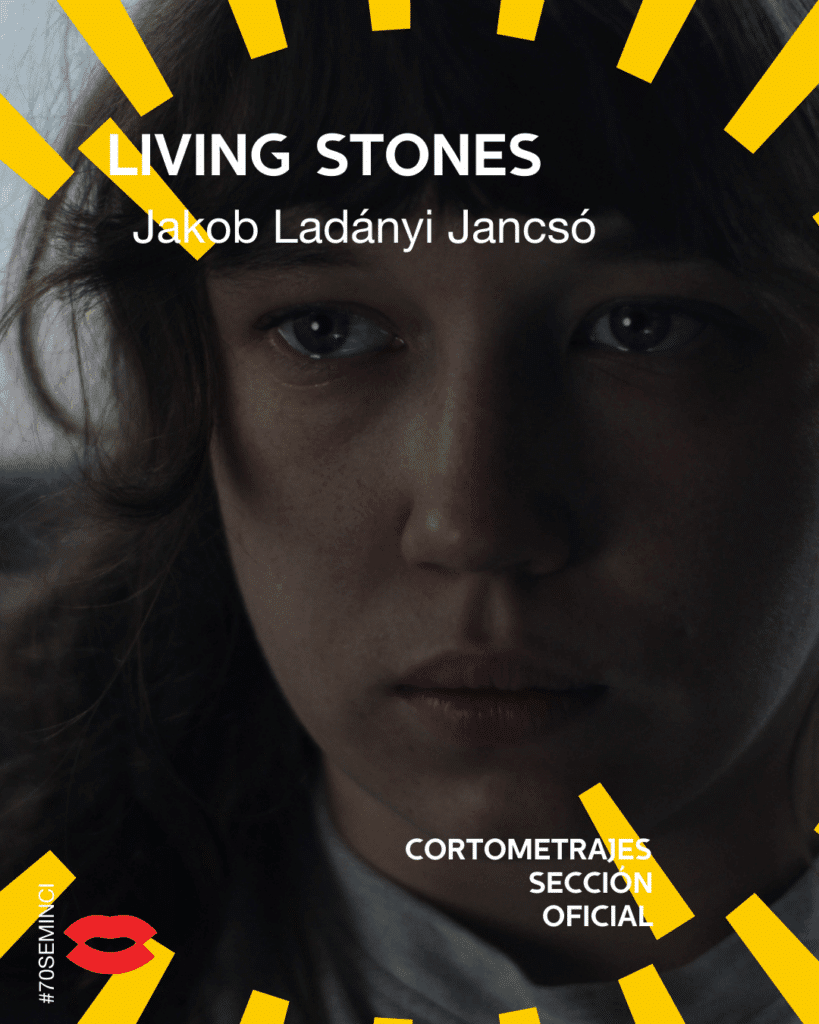
The winner of the Best Short Film award at the 2021 Vila do Conde festival, documentary filmmaker Nicolas Gourault returns to SEMINCI, where he presented VO in 2021, with Their Eyes, a work about the dangers of new technologies that stood out during its run in Berlin. The same goes for the Hungarian short film Living Stones, directed by Jakob Ladányi Jancsó, which recounts the relationship between a young psychiatric patient and her therapist.
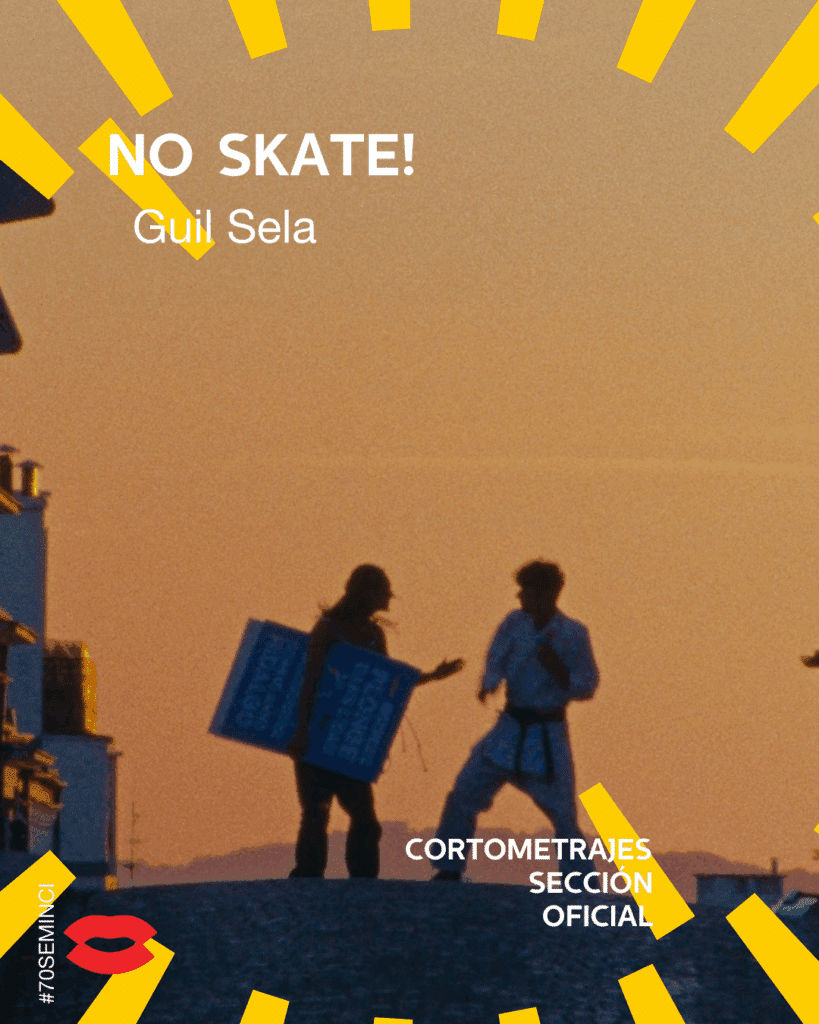
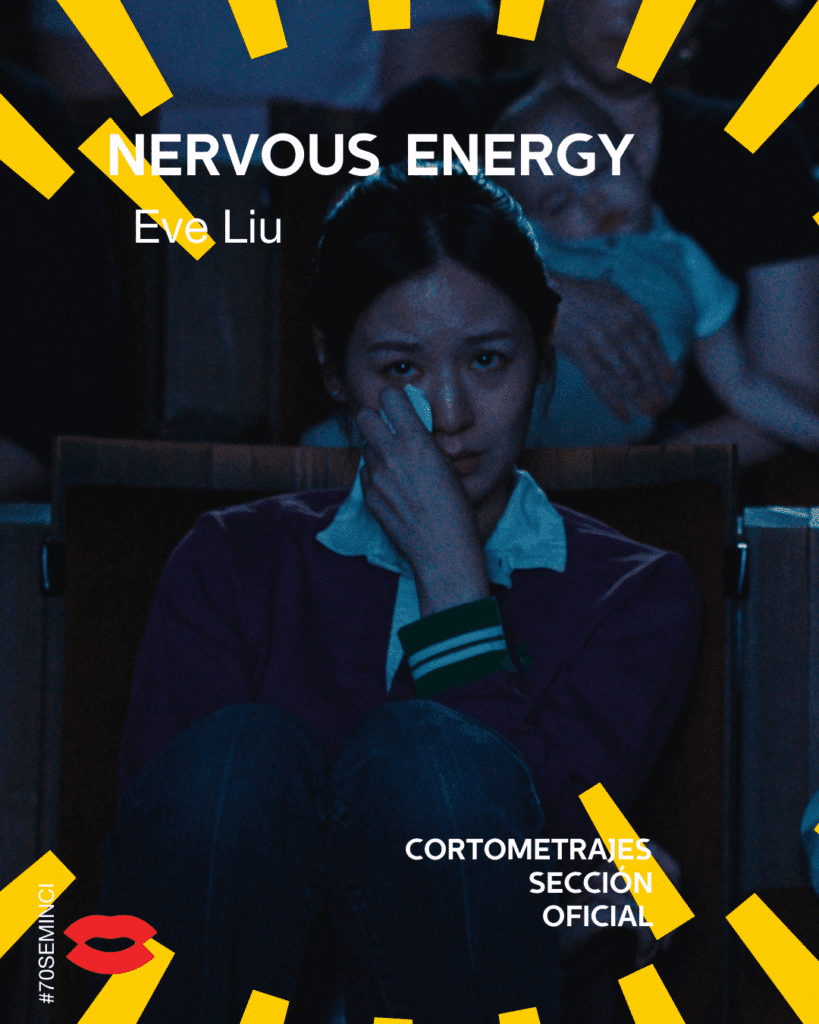
In addition to the Palme d’Or winner, three other films selected by SEMINCI also shone particularly brightly at Cannes this year: the rural drama Ali, by Bangladeshi director Adnan Al Rajeev; Guil Sela‘s new comedy, No Skate!; and the hilarious and personal Nervous Energy, by American director Eve Liu, endorsed by executive producer Spike Lee.
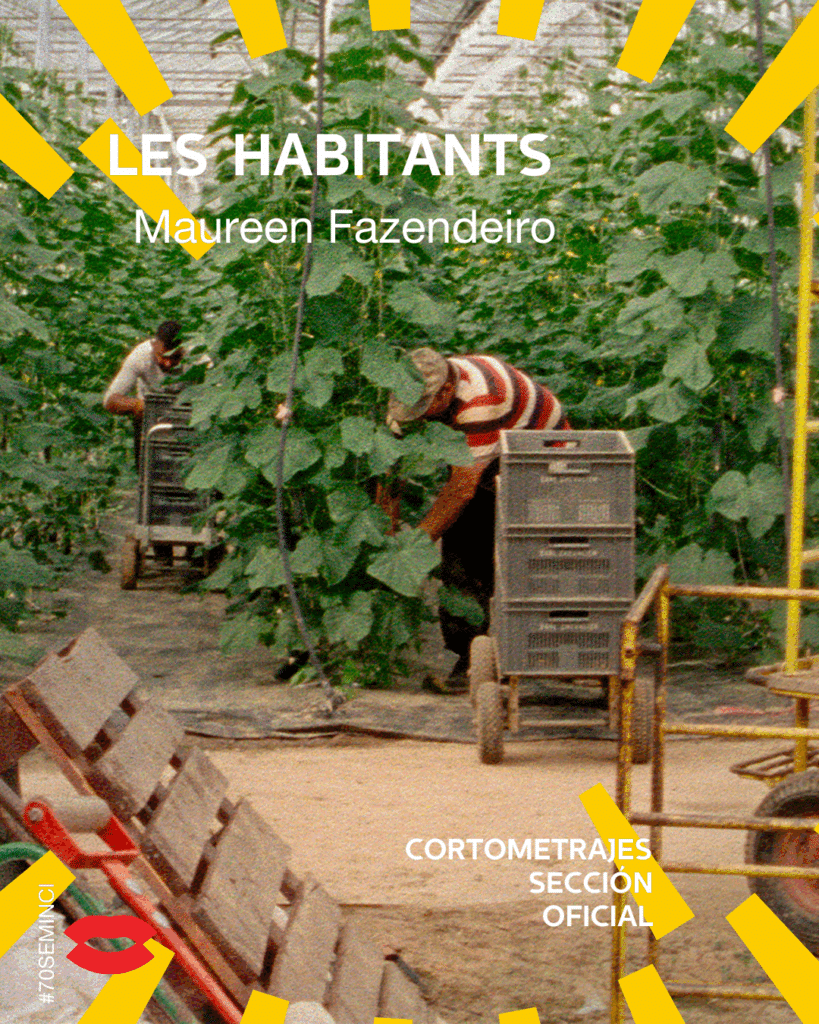
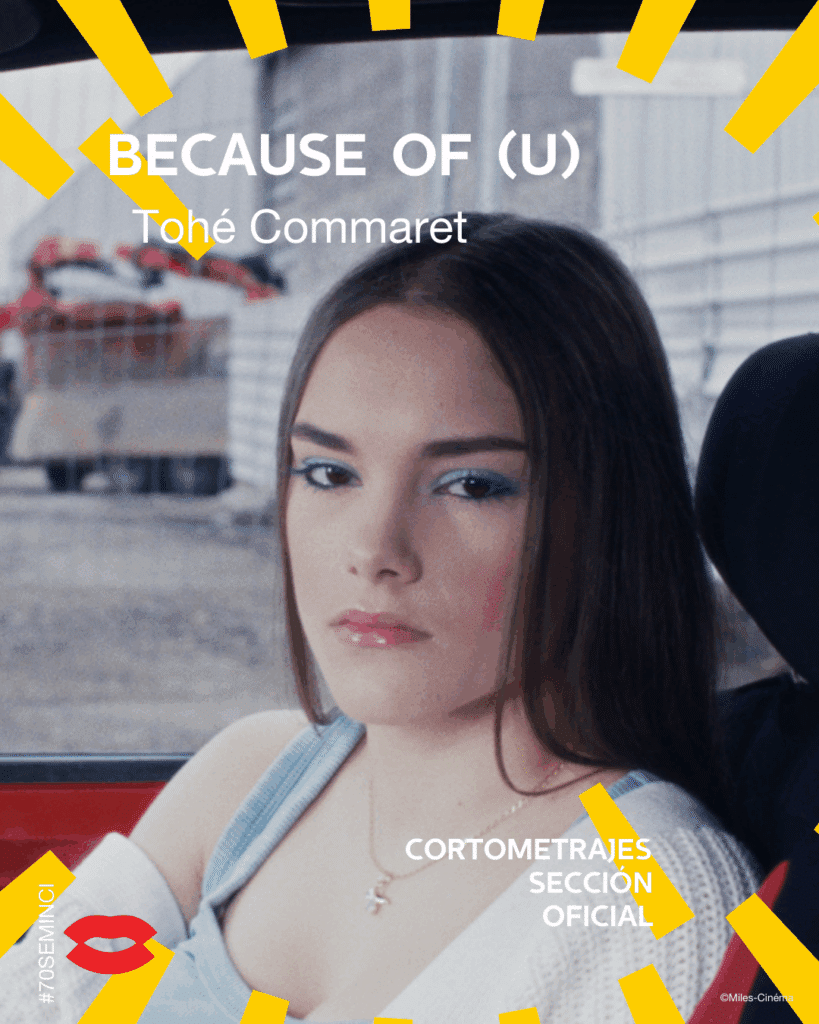
The Festival will also offer the international premiere of Mercy, by Hedda Mjøen, which won an award in Grimstad and was chosen as the best short film by the Norwegian Film Academy. Rounding out a programme that confirms the vitality of the international short film format are the outstanding latest works by three other directors: Dog and Wolf, by Terézia Halamová, the portrait of a twenty-something stripper premiered in Karlovy Vary; Maureen Fazendeiro‘s documentary about racial conflict in a commuter town, The Inhabitants; and the great hope of French cinema, Tohé Commaret, who in Because of (U) describes a toxic relationship in the suburbs.




New films in the Official Feature Film Section
Below the Clouds. Gianfranco Rosi (Italy, 2025)
Documentary that explores contemporary life in Naples, in the area of Vesuvius and the Phlegraean Fields, connecting past with present through memory and geological risk. The film captures the vitality of its inhabitants, contrasting the ruins of Pompeii and Herculaneum with current life, showing daily activities such as an after-school program, the work of firefighters, and the efforts of law enforcement. Shot in black and white, it interweaves reality with archival footage, the fragility of life, and the force of nature.
Duse. Pietro Marcello (Italy, France, 2025)
At the end of the First World War, the great Eleonora Duse reaches the end of a legendary career. But despite her age and fragile health, the woman many consider the greatest actress of her time decides to return to the stage. Her daughter’s complaints, her complex relationship with the great poet D’Annunzio, the rise of fascism and Mussolini’s rise to power—nothing stops Duse, the Divine.
The Chronology of Water. Kirsten Stewart (United States, France, Latvia, 2025)
Lidia struggles to find her way in an environment marked by violence and alcohol. She manages to escape her family and enrols in university, where she finds refuge in literature. Little by little, words give her unexpected freedom.
The Night is Already Fading Away. Ramiro Sonzini and Ezequiel Salinas (Argentina, 2025)
Pelu is a thirty- something-year-old who barely survives on his salary as a projectionist at a municipal film club. After losing his job, he agrees to stay on as a night guard and, through a series of unfortunate twists and turns, ends up living secretly inside the cinema. Over time, he is joined by a group of valets who become his friends and a former colleague whom he allows to record videos for OnlyFans in the projection room. But the precarious situation in which they live is part of a widespread crisis that threatens to close the cinema and put their small community at risk.
Mirrors No. 3. Christian Petzold (Germany, 2025)
During a weekend trip to the countryside, Laura, a piano student from Berlin, miraculously survives a car accident. Unharmed but deeply shaken, she is taken in by a local woman who witnessed the accident and now cares for Laura with maternal devotion. When her husband and adult son finally accept Laura’s presence, after their initial resistance, the four of them gradually build a family routine that leads them to spend happy days together. They soon realise, however, that they cannot ignore their past, while Laura finds herself needing to accept her own life.
Girl. Shu Qi (Taipei, 2025)
Taiwan, 1988. Hsiao-lee, a quiet and reserved girl, grows up in an oppressive and gloomy environment. Her encounter with the vibrant and carefree Li-li rekindles long-buried dreams. But just as she begins to open up to the world, her mother Chuan’s past reappears, bringing back memories of her own pain. Caught between the grief she has inherited and her longing for freedom, Hsiao-lee will have to navigate the shadows of a life she never chose.
Orphan. László Nemes (Hungary, United Kingdom, United States, Cyprus, France, Germany, 2025)
1957. In Budapest, following the uprising against the communist regime, a young Jewish man named Andor, raised by his mother amid idealised stories about his late father, sees his world turned upside down when a brutal man appears claiming to be his real father.
Pillion. Harry Lighton (United Kingdom, Ireland, 2025)
Colin, an introverted boy, falls in love with Ray, the charismatic and attractive leader of a biker gang who takes him as his submissive, blowing up his routine and changing his life.
Silent Friend. Ildikó Enyedi (Germany, France, Hungary, China, 2025)
In the heart of a botanical garden in a university town in Germany stands a majestic tree: a ginkgo. For more than a century, this silent witness has observed the quiet rhythms of transformation that govern three human lives. In 2020, a neuroscientist from Hong Kong, who is researching the minds of babies, begins a surprising experiment around this ancient specimen. In 1972, a young student is profoundly changed by the simple act of observing and connecting with a geranium. In 1908, the university’s first female student discovers, through the lens of photography, the sacred patterns of the universe hidden in the humblest of plants.
The Mastermind. Kelly Reichardt (United States, 2025)
A one-man band, a daring art heist against the backdrop of the Vietnam War and the burgeoning women’s liberation movement. As he embarks on a reckless criminal adventure, J.B. Mooney must navigate a world marked by shifting social and political dynamics.
Living the Land. Huo Meng (China, 2025)
In 1991, as China undergoes profound socio-economic changes that lead many to leave their rural villages in search of work in the cities, Chuang, a ten-year-old boy and the third child in his family, must stay in the village due to his family’s plans. In a context of modernisation, where the arrival of technology transforms their traditional way of life, the cycles of births, deaths, marriages and funerals reflect the persistent weight of tradition and the difficulties of balancing family responsibilities in a constantly changing world.
Yes. Nadav Lapid (France, Cyprus, Germany, Israel, 2025)
In Israel, following October 7th, a jazz musician struggling to make ends meet and his wife Jasmine, a dancer, sell their art, their souls and their bodies to the elite, bringing pleasure and comfort to a bleeding nation. They are then entrusted with a mission of utmost importance: to compose the music for the new national anthem.
Films in the International Short Film Competition
Ali. Adnan Al Rajeev (Bangladesh, Philippines, 2025)
Poddopur is a village of lily pickers where women are forbidden to speak. Fifteen-year-old Ali and his mother Salma live there, surrounded by mountains. Ali keeps a secret that Salma diligently hides. When news arrives of a singing competition offering the chance to move to the other side of the mountain, Salma is filled with hope, as Ali is a talented singer. But Ali refuses to participate.
Because of (U). Tohé Commaret (France, 2025)
Laura is trapped in a toxic relationship with a famous rapper. After a violent argument, her reality begins to distort, leaving her halfway between habit and distorted perception, the everyday and the hallucinatory.
Bread Will Walk. Alex Boya (Canada, 2025)
The planet is starving, but a corporation called El Molino has the solution: a miracle bread. The problem is that it turns those who eat it into loaves of bread that, in addition to being freshly baked, can walk. A protective sister tries to save her little brother-loaf, who is being chased by a hungry crowd through a maze of winding streets. Hunger reigns and reason crumbles. In a world that wants to devour you alive, can love defy appetite?
Klonter. Levi Stoops (Belgium, 2025)
Frankie, a lonely factory worker, believes he is about to die without anyone to say goodbye to. On his way to the stars, he accidentally transforms into a planet, and an explosion of life takes over his body: an explosion that generates creatures that resemble him.
I’m Glad You’re Dead Now. Tawfeek Barhom (Palestine, Greece, France, 2025)
Two brothers return to the island of their childhood, where buried secrets and intense tensions force them to confront the dark past that binds them.
Dog Alone. Marta Reis Andrade (Portugal, France, 2025)
After the death of his owner and companions, a dog is left alone. He howls day and night, disturbing the entire neighbourhood. In the house next door, an elderly man feels excluded. His granddaughter, Marta, returns from London, where she felt even more alone. With her, change also arrives.
Dog and Wolf. Terézia Halamová (Czech Republic, 2025)
Rudo is a 25-year-old stripper who has chosen a life of perpetual partying and sleep deprivation. As he navigates the chaotic nightlife, fuelled by drugs and dancing, memories of his ex-girlfriend Misha haunt him, reminding him of broken promises and severed ties.
Les Habitants. Maureen Fazendeiro (Portugal, France, 2025)
A commuter town on the outskirts of Paris, with its American-inspired housing developments, its rose and vegetable greenhouses, and its residents. It is winter, and a camp of Roma people has settled in the town. While most of the neighbours are unhappy and demand the expulsion of the newcomers, some women try to help them settle on the land they occupy.
Living Stones. Jakob Ladányi Jancsó (Hungary, 2025)
Natasa attends therapy at an unconventional rehabilitation centre far from the city. Her sessions with her therapist are slow and uncomfortable, as she resists trusting him. When the therapist introduces her to the possibility of equine therapy, she discovers a fragile sense of connection and acceptance that gives her the courage to relive her darkest moments. The boundaries between therapist and patient begin to blur, their interactions become increasingly intimate, and the gap between healing and harm widens.
Mercy. Hedda Mjøen (Norway, 2025)
Guro runs into her old best friend Pette, who has recently been accused of rape. Guro is unsure whether she can still be his friend without taking sides in the case.
Nervous Energy. Eve Liu (United States, 2025)
On the threshold between success and failure, two distraught filmmakers decide to break up with their boyfriends and, for once, make a bold decision about their lives.
No Skate!. Guil Sela (France, 2025)
Paris, 2024 Olympic Games. Isaac is a human billboard. Cléo is a female billboard. One day, Isaac sees Cléo throw a skateboard into the water.
Their Eyes. Nicolas Gourault (France, 2025)
How does a machine learn to read the world? Testimonials and screen recordings present the experience of online workers in the Global South: their job is to teach the AI of autonomous vehicles to navigate the streets of the Global North.
Without Kelly. Lovisa Sirén (Sweden, 2025)
Forced to leave her young daughter with her father, Esther, a young mother, is plunged into despair and longing. During the night, she seeks contact and comfort in her eagerness to hold on to the one she loves most.