

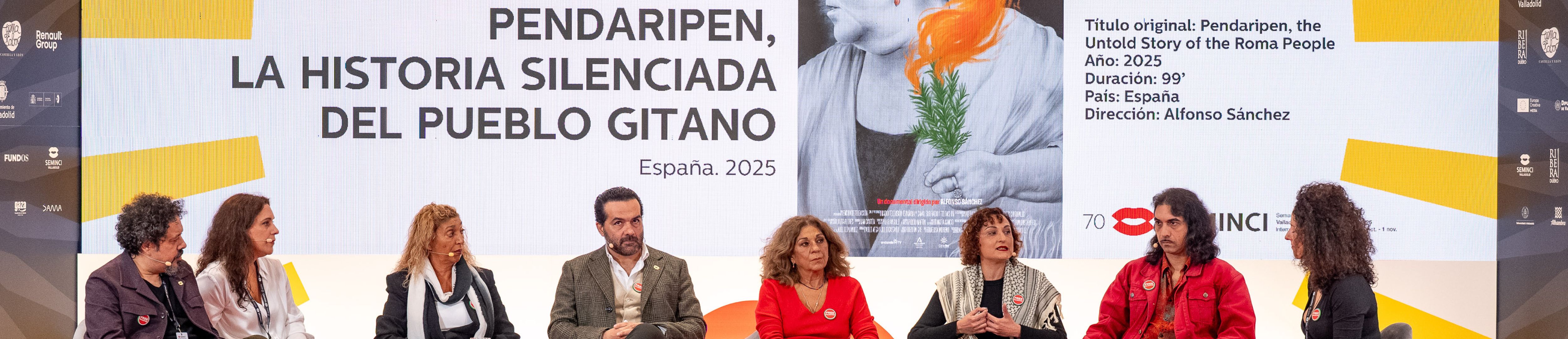
- The documentary, included in Special Screenings, features singer Lolita Flores, lawyer Pastora Filigrana, former member of parliament Ismael Cortés, doctor of anthropology Iván Periáñez, and flamenco singer Esperanza Fernández.
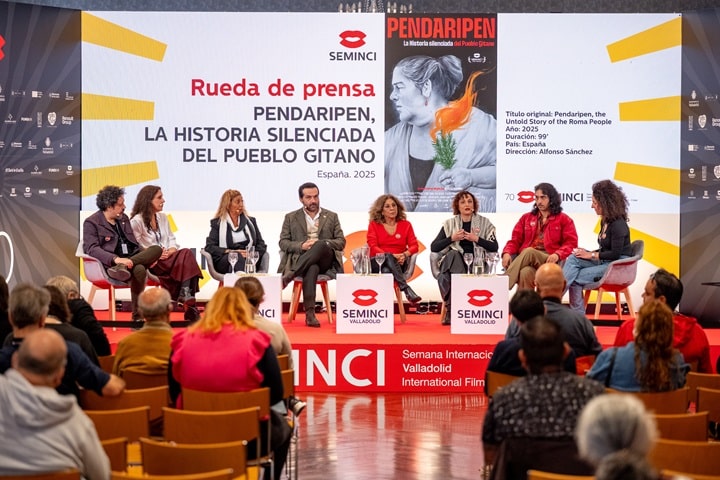
The Official Section of the 70th edition of the Valladolid International Film Festival (SEMINCI) has presented, as part of the festival’s Special Screenings, the world premiere of Pendaripen, la historia silenciada del Pueblo Gitano (Pendaripen, the silenced history of the Gypsy people), the new film by Alfonso Sánchez (El mundo es vuestro, Sembrando sueños). Through interviews with writers, anthropologists, politicians and artists, the filmmaker traces the history of the Gypsy people on the 600th anniversary of their arrival on the Iberian Peninsula: ‘It has been a great journey of discovery. I have learned where many of the prejudices that are ingrained in our society come from,’ said Sánchez.
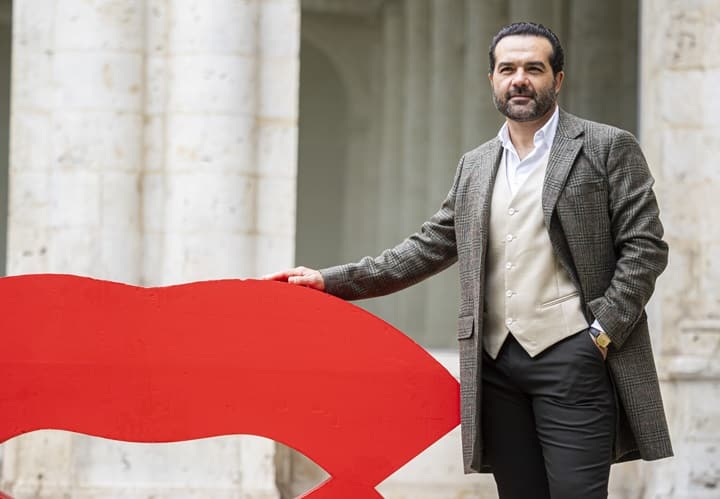
On the initial creation of such an ambitious project, screenwriter Eva Montoya acknowledged the great responsibility involved in approaching the Gypsy identity: ‘As a Gypsy woman, I knew that we had been deprived of our freedom and persecuted, but I had not known the true extent of what had happened in Spain.’ Due to their nomadic lifestyle, she had to turn to legislative changes to learn about Gypsy history: ‘You can’t say that they are an illiterate people, but their nomadic nature makes it much more difficult to preserve that heritage,’ she added.
Gypsy professionals in front of and behind the cameras
Both the director and the producer, Agus Jiménez, defended the importance of having gypsy professionals on the technical teams for the development of the film even before shooting began. For the selection process of the interviewees, they found many of them in the texts and research theses they used during the process, although they also found some ‘pleasant surprises’.
‘We insisted a lot on diversity and that there should be no specific politicisation of the interviewees,’ said the producer.
Among the personalities interviewed in the film are lawyer Pastora Filigrana, former MP Ismael Cortés, Doctor of Anthropology Iván Periáñez and singer Esperanza Fernández, who performs the anthem of the Gypsy people, Yelen yelen, in the film: ‘I feel very fortunate to be the first Spanish Gypsy to record it,’ she said.
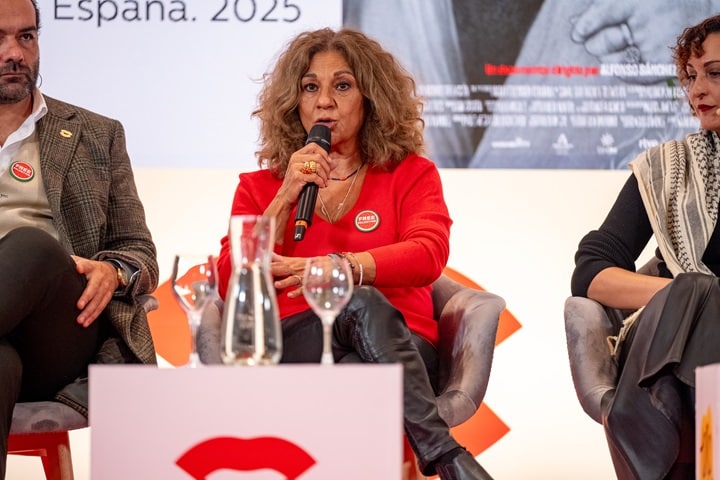
The history of the gypsy people has been marked by centuries of institutional racism, something that singer Lolita Flores, who also participates as an interviewee in the film and lends her voice as narrator, has reflected on: ‘People who are not liked are annihilated or expelled. They wanted to take away our way of life, and you can’t do that to any human being. Respect and dignity come first.’ The screenwriter added: ‘This film is not only about the Romani people, but also about the systematic strategy of denigrating a people and justifying their persecution.’
Renewing the audiovisual perspective
The documentary also addresses a fundamental issue for the Gypsy people: their shared culture, which has been nourished by many ethnic roots but has also been appropriated by others. ‘In Spanish audiovisual media, we have associated Gypsies with the underclass, drugs and marginalisation. It is important to renew our perspective,’ said screenwriter Eva Montoya.
The film’s editor, Pablo Vega, emphasised the fascination with Gypsy culture and the appropriation they have suffered: ‘When people talk about social integration, they don’t realise that we have built a large part of this country’s identity.’ In this regard, composer Quentin Gas highlighted the total freedom he had in the soundtrack to explore the different musical heritages that have shaped the Romani identity: ‘I tried to create a soundtrack that would convey who we are; of course, flamenco is fundamental, but also more ethnic music that has to do with our Indian origins,’ he said.
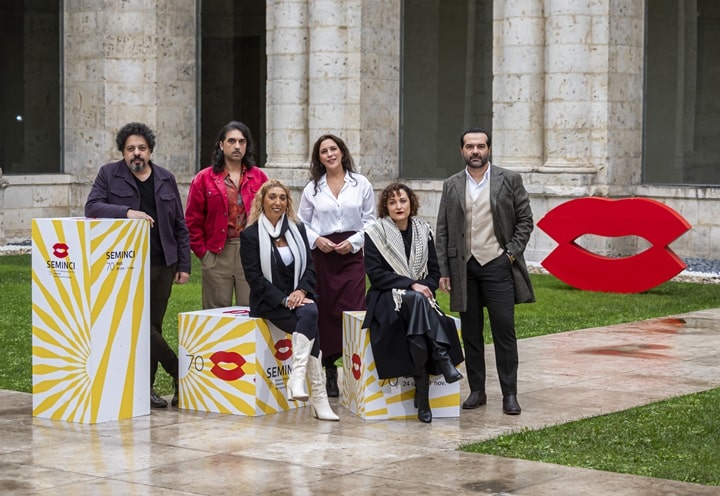
Finally, Lolita confessed her hope that this film will act as a catalyst for change in the perception of Gypsies, who continue to live in marginalisation today: ‘I have lent my voice to this documentary so that people know that we are equal, that we feel the same and that we are not aliens. We have a different way of looking at life, but that is not something to be afraid of, but rather something to learn from,’ she concluded.