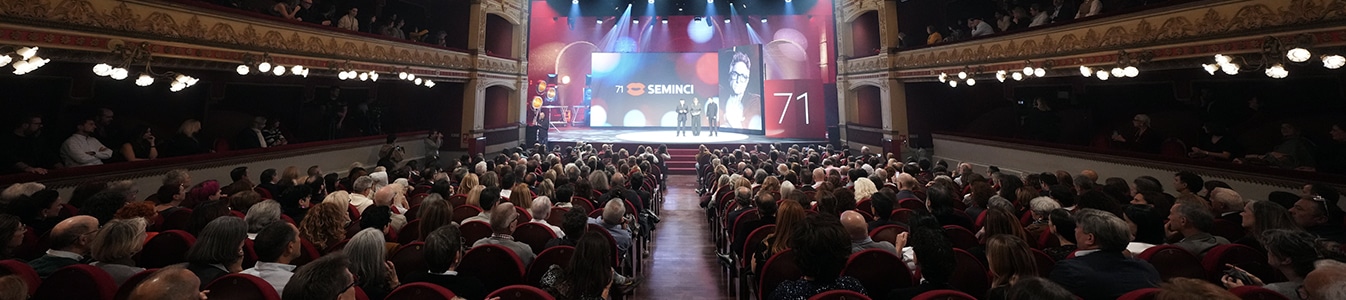
- The programme featured 208 films from 64 countries, including 131 premieres, and hosted 121 meetings between filmmakers and audiences
- The 71st SEMINCI paid a collective tribute to José Luis Cienfuegos, whose presence was felt throughout the festival
- The MERCI Independent Film Market consolidates its position as a key event for distribution and exhibition, alongside the development of new industry initiatives
- As part of its commitment to educating new audiences, SEMINCI brought cinema to more than 24,000 schoolchildren and young people
Valladolid, 5 November 2026. – The Valladolid International Film Festival (SEMINCI) has brought its 71st edition to a close with 103,961 admissions in cinemas, slightly exceeding the attendance figures for 2025 and confirming the outstanding response from audiences to the festival. Over nine days, Valladolid once again celebrated cinema, with cinemas full from the first morning screenings, lively participation in meetings with filmmakers and an atmosphere of exchange and discovery that extended well beyond the screenings themselves. This year’s edition was, however, affected by the circumstances of the final few days, which led to the cancellation of the closing ceremony, the red carpet and SEMINCI Nights activities, as a mark of respect during the three days of official mourning declared following the railway accident in Urda. A brief closing event was held instead, followed by the screening of the closing film in a subdued format appropriate to the circumstances.
It was also an especially moving edition, marked by a collective celebration of the legacy of José Luis Cienfuegos, the festival’s director from 2023 to 2025, whose memory was present throughout the nine days, in the films, meetings and activities organised by the festival.
The programme featured 208 films from 64 countries
Over nine days, the 71st edition of SEMINCI presented 208 films from 64 countries, across 383 screenings. The programme included 131 premieres: 88 Spanish, 13 European and 30 world premieres. It brought together established filmmakers and emerging voices in a commitment to auteur cinema, a diversity of perspectives and the discovery of new cinematographies.
One of SEMINCI’s distinctive features is the opportunity to share films with the people who have brought them to life. This year’s edition hosted 121 meetings with the creative teams behind the films in the programme, extending the experience of the screenings through dialogue with audiences. The presence of these teams in the competitive sections was particularly notable: 100% of Spanish films were represented by members of their creative teams, a figure also achieved in Alchemies and among the short films in Time of History. In the remaining sections – Official Section, Short Films, Meeting Point and the feature films in Time of History – the average attendance of film teams was 68%.
International filmmakers
The international programme welcomed leading filmmakers including Alain Gomis, winner of the Golden Spike for Dao, Sergei Loznitsa, Valeria Sarmiento, Emin Alper and João Pedro Rodrigues. The opening ceremony brought together Hungarian director Lili Horvát, who returned to Valladolid with My Notes on Mars, accompanied by its leading actress, Mackenzie Davis. The closing film was presented by Mexican actor and director Gael García Bernal, who attended with Hombre al agua, his third feature film as a director.
European cinema was represented by Markus Schleinzer, who presented Rose; Ukrainian filmmaker Sergei Loznitsa, with Imperium, in Time of History; Emmanuel Marre, who attended with A Man of His Time; Marine Atlan, director of La Gradiva; Danish filmmaker May el-Toukhy, with Woman Unknown; Greek director Jacqueline Lentzou, with A Day in the Life of Jo: Chapter Phaedra; German filmmaker Faraz Shariat, with Prosecution; and Turkish director Emin Alper, who presented Salvation.
Portuguese cinema was represented by João Pedro Rodrigues, who attended alongside João Rui Guerra da Mata to present 13 Alfinetes, and by Tiago Guedes, director of Aqui, accompanied by its leading actors, Patricia López Arnaiz and Sergi López.
Five Iranian filmmakers took part in this year’s programme. Ali Asgari presented A Bit of Light in the Official Section; Pegah Ahangarani brought Rehearsals for a Revolution to Time of History; Mani Haghighi presented I Deserve a Lover Whose Every Rise Sets Fiery Dooms Raging Across the Skies; and Mahsa Karampour, with Into the Jaws of the Ogre, and Karim Lakzadeh, with Living Twice, Dying Thrice, both participated in Alchemies.
International representation also extended to other cinematographies. From Rwanda, Marie-Clémentine Dusabejambo presented Ben’imana; from Brazil, André Novais Oliveira attended with Se eu fosse vivo. . . vivia and Gabe Klinger with Isabel; American filmmaker Ted Fendt presented Foreign Travel; Japanese director Yukiko Sode broughtAll The Lovers In The Night; and Algerian filmmaker Hassen Ferhani took part in Time of History with Alea Jacarandas.
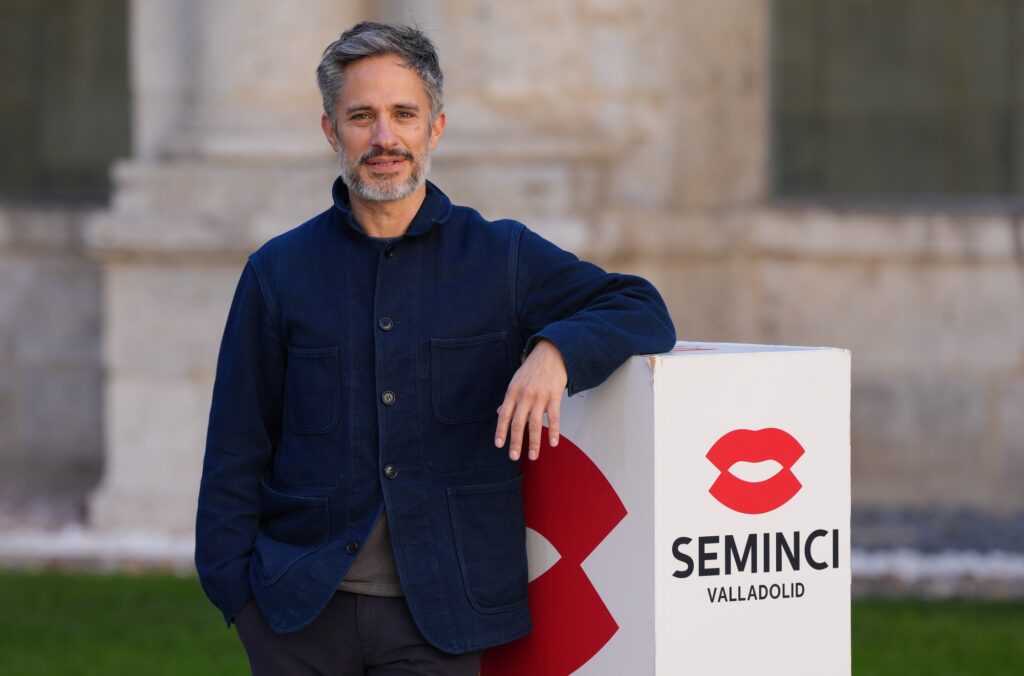
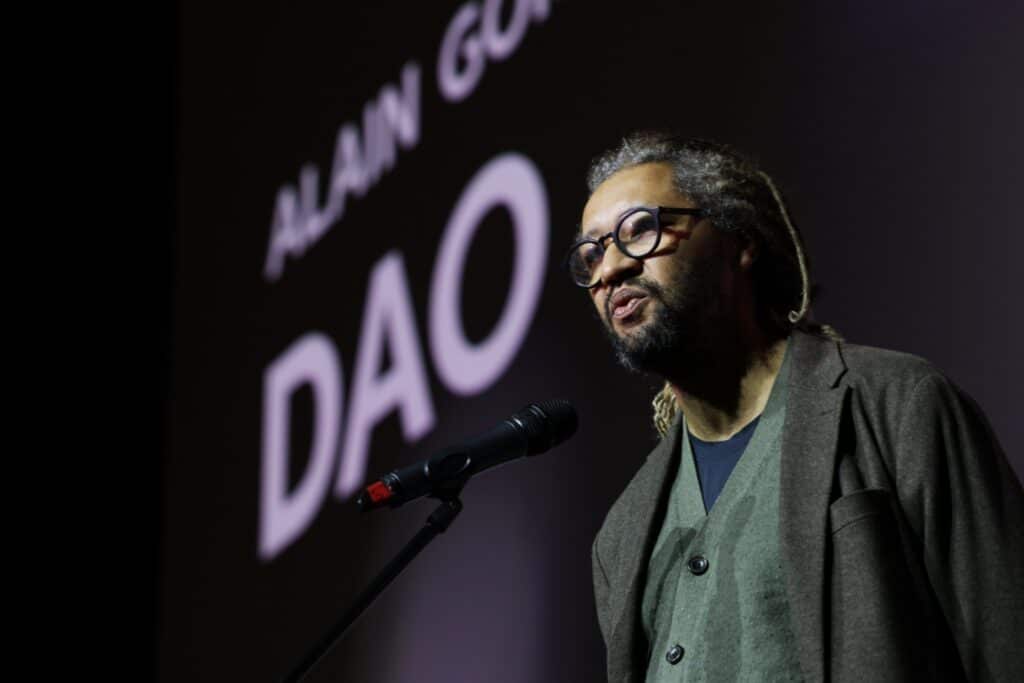
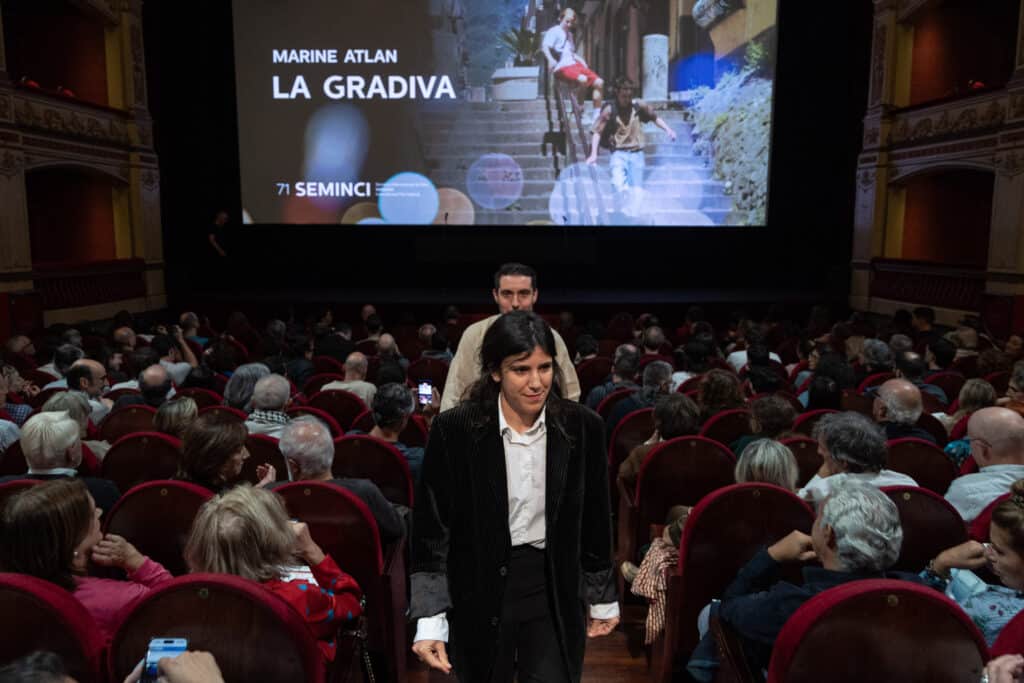
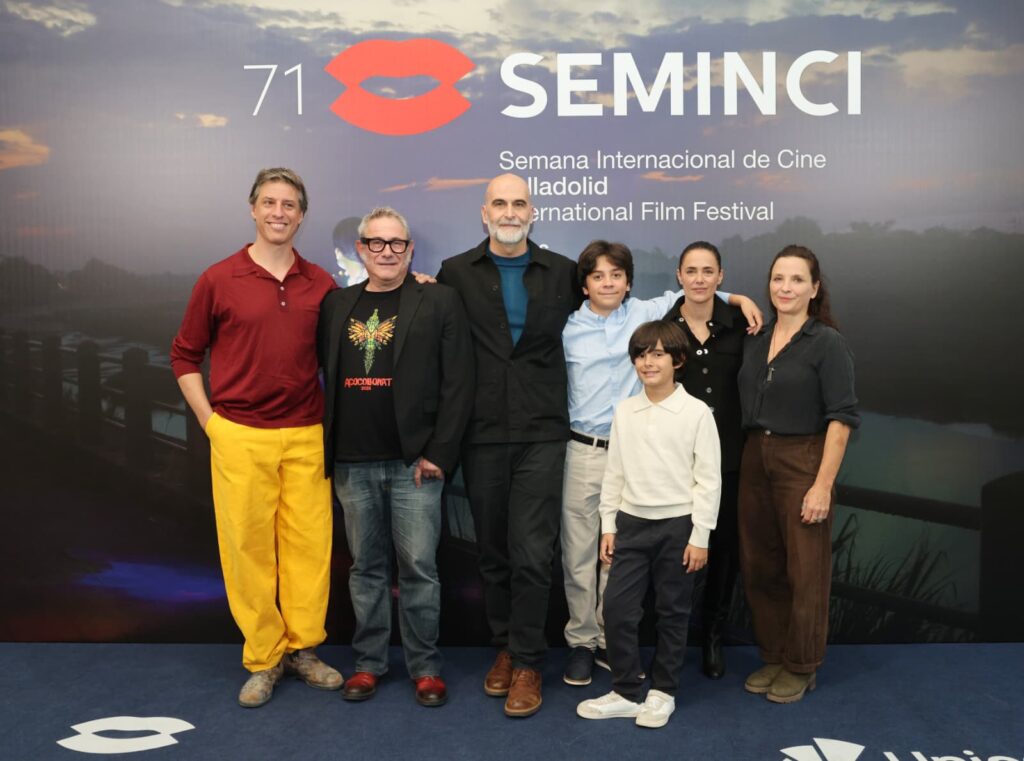
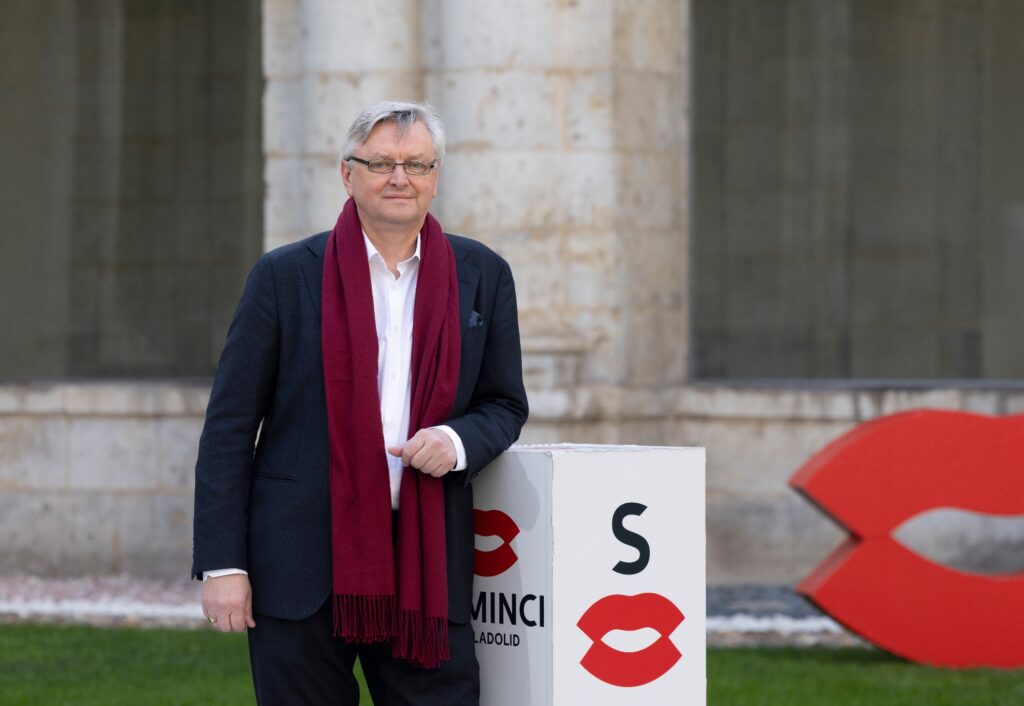
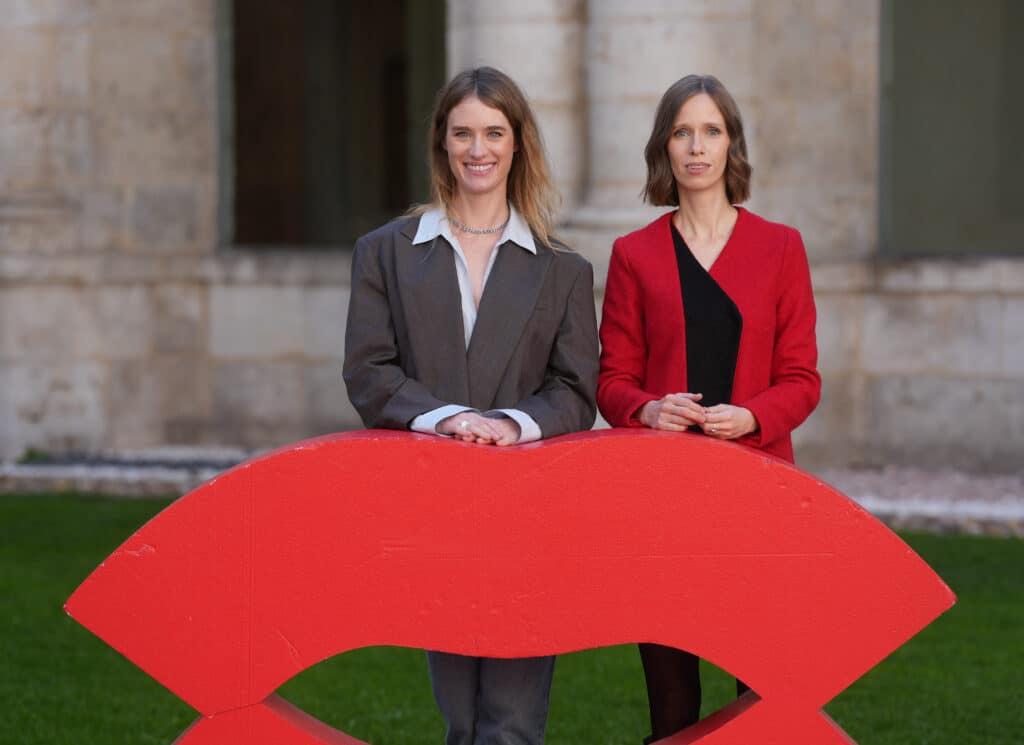
Gael Garía Bernal, Alain Gomis, Marine Atlan, equipo de ‘Aquí’, Sergei Loznitsa, Lili Horvát y Mackenie Davis. © Seminci/ Photogenic.
Spanish filmmakers and performers
Spanish cinema enjoyed a strong presence of filmmakers and performers. Directors presenting their work included Ricardo Gómez, making his feature-film directorial debut with A Family; Sergio Peris-Mencheta, with his first documentary, SerYo; Ione Hernández Sáenz, who attended with Hermanas; David Martín de los Santos, with A Man on a Bridge; and Daniel Calparsoro, who presented The Confidant.
Spanish animation was represented by Raúl García and Ervin Han, co-directors of La violinista, while Helena Girón and Samuel Delgado presented Las islas afortunadas.
Among the performers accompanying the films were Elena Anaya and Emma Suárez, stars of Sisters; Javier Gutiérrez and Miguel Herrán, who presented The Confidant; Roger Casamajor, with A Man on a Bridge; and Lou Castel, a member of the cast of Las islas afortunadas.
The popular chef Karlos Arguiñano also took part in the Cine Gourmet programme, attending the screening of the documentary Un tal Karlos, directed by Arantxa Aguirre.

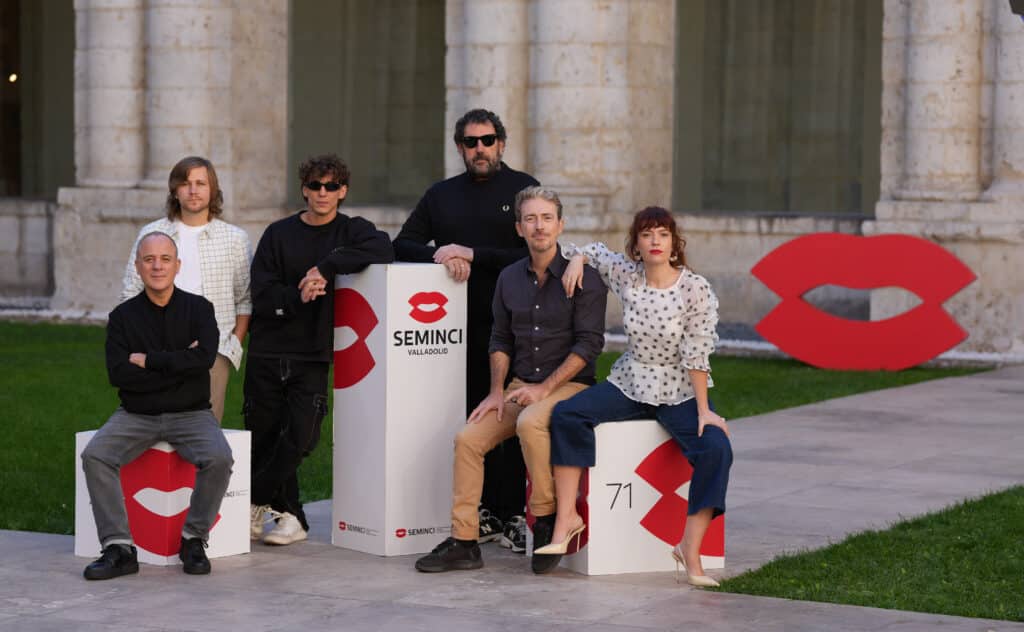
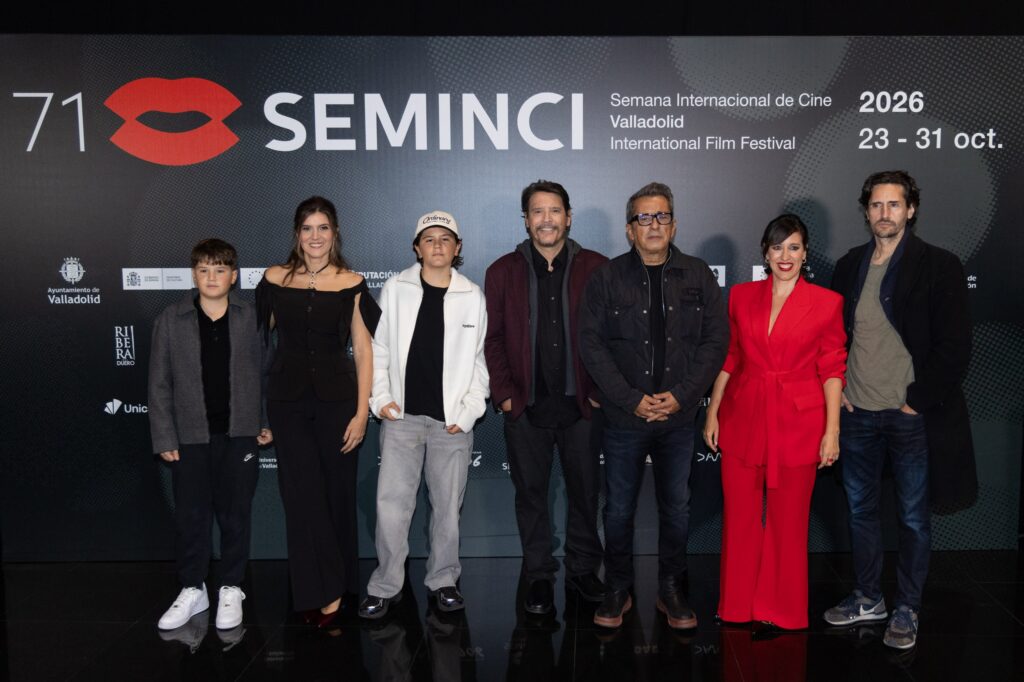
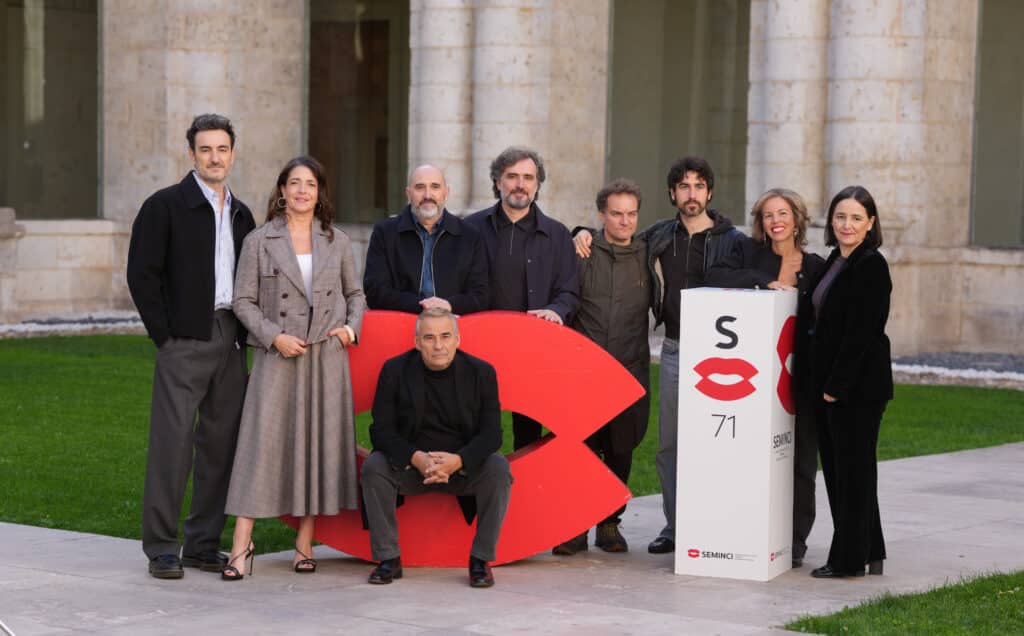
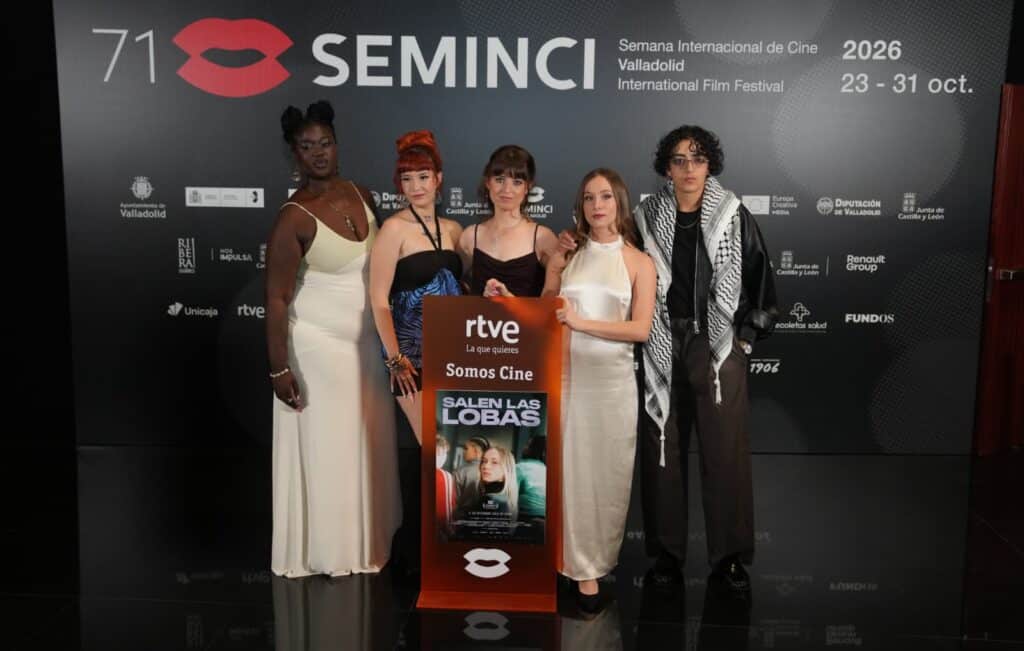

Elena Anaya y Emma Suárez, protagonistas de ‘Hermanas’, y los equipos de ‘El confidente’, ‘SerYo’, ‘Matar a un oso’, ‘Salen las lobas’ y ‘Una familia’ © Seminci/ Photogenic.
Honorary Spikes
The 71st SEMINCI recognised the careers of professionals from different generations and areas of the film industry with the presentation of its Honorary Golden Spikes.
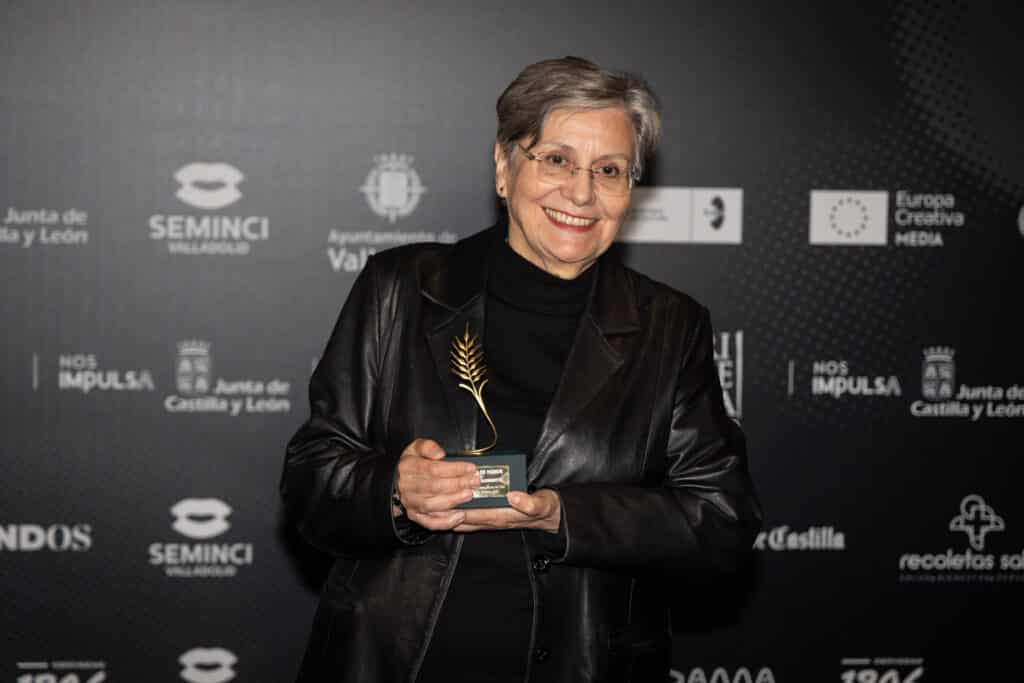
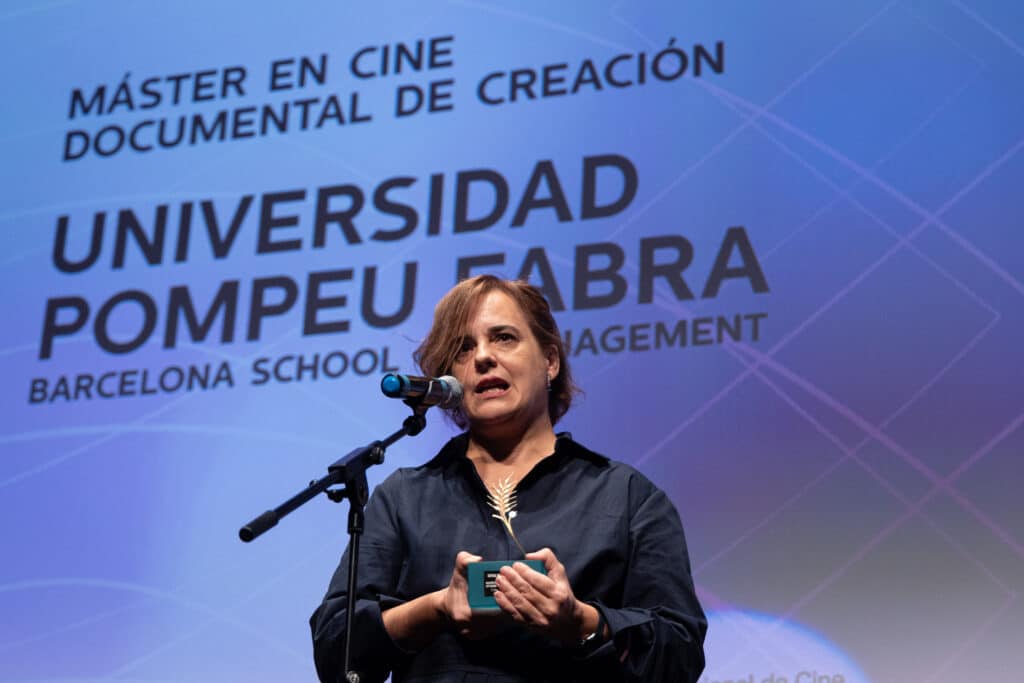
Chilean director, editor and screenwriter Valeria Sarmiento received this distinction and presented Behind the Rain, her latest film. Actress, director and screenwriter Elvira Mínguez, winner of a Goya Award for Tapas, was also honoured.
The festival also recognised the career of American production sound mixer Willie D. Burton, the principal production sound mixer on The Odyssey, in recognition of more than four decades of work in cinema. Burton has worked on films including The Shawshank Redemption, The Green Mile, Creed and Oppenheimer, as well as collaborating with filmmakers such as Christopher Nolan.


A festival that extends beyond the cinemas
In addition to the 103,961 cinema admissions, SEMINCI also welcomed participants to its cultural activities, which broadened the festival experience through meetings, exhibitions, book launches, educational initiatives and music.
Beyond the screenings in the retrospective ‘A History of Sound (in Cinema)’, the exploration of the narrative power of sound extended to meetings with filmmakers and industry professionals, a dedicated publication and an exhibition at the Patio Herreriano Museum.
The exhibition ‘Human Roar, Earth’s Outcry. Inhabiting Sound’, organised and curated by SEMINCI, brought this exploration into the field of visual arts. Featuring works by Basilio Martín Patino, Aura Satz, Takashi Makino, Helena Girón, Samuel M. Delgado and José Val del Omar, the exhibition explores the relationships between sound, memory, power and nature. It will remain open to the public until 6 December.
‘The Thinking (and Listening to) Cinema’ series attracted almost 400 participants across five sessions devoted to different aspects of sound creation, from the work of international specialists to sound in documentary filmmaking and its relationship with performance. Participants included Honorary Spike recipient Willie D. Burton, Alejandro López, Tarn Willers, Eva Vila and Lois Patiño, alongside sound professionals. The programme also featured the presentation of the book ‘The Image-Sound: Sonic Calligraphies and Epiphanies of Listening in the History of Cinema’, coordinated by Carlos F. Heredero and published jointly with Caimán Cuadernos de Cine.
The publishing programme was completed by presentations of Hijos del 27. Los escritores cinematográficos de la Generación de la República, by Fernando Lara, and Robert Bresson. Pasión por la exactitud, by Santos Zunzunegui, published by DAMA and ECAM in collaboration with Caimán Cuadernos de Cine.
The DAMA Dialogues, organised in collaboration with the Society of Audiovisual Media Authors (DAMA), provided further opportunities for filmmakers and audiences to meet and explore the creative processes behind films presented at the festival.
The programme of activities also included a meeting with Sergio Peris-Mencheta, aimed at students from the Higher School of Dramatic Art of Castilla y León, and an open discussion with Elvira Mínguez, recipient of an Honorary Spike at this year’s edition.
The UVa Route, organised in partnership with the University of Valladolid, filled all 70 available places and recorded 528 attendances across its initial presentation and the ten screenings scheduled at the Teatro Zorrilla and Sala Fundos.
Meanwhile, SEMINCI Nights, whose programme featured collaborators of Cienfuegos associated with the film festivals of Gijón, Seville and Valladolid, attracted almost 1,500 attendees across its three venues: Bizarro, El Desierto Rojo and Berlín. The music programme was interrupted following the railway accident in Urda and the declaration of three days of official mourning.
SEMINCI Industry: new meeting places and support for film creation and distribution
The 71st SEMINCI expanded its activities for the film industry, with particular attention to the distribution and exhibition of independent cinema, the development of new projects and support for short films. The growth of the MERCI Independent Film Market and the introduction of new professional initiatives reflect the festival’s commitment to creating opportunities for networking and collaboration between different players in the industry.
The MERCI Independent Film Market, organised by SEMINCI in partnership with the Association of Independent Film Distributors (ADICINE), held its sixth edition from 28 to 30 October at the Cines Broadway. It attracted 235 accredited industry professionals, representing a 22.4% increase on 2025. This growth confirms MERCI’s consolidation as a leading meeting point for independent film distribution and exhibition, providing an opportunity to share experiences, address the challenges facing the sector and establish new avenues for collaboration.
Over three days, 26 films were presented in 52 screenings across six cinemas, attended by distributors, exhibitors, representatives of streaming platforms and television broadcasters, as well as students from ECAM’s Master’s Degree in Audiovisual Distribution.
The professional programme included a round-table discussion on the challenges facing film distribution and exhibition, as well as a session organised in partnership with Europa Cinemas on the application of artificial intelligence in cinemas and the presentation of GRETAapp, a tool designed to improve the accessibility of film screenings.
At the opening ceremony, Rentrak presented figures on the industry’s development, showing a 43% increase in admissions and a 45% rise in box-office revenue for ADICINE distributors, despite their having released fewer titles than in the previous year.
This edition also hosted the presentation of the first José Luis Cienfuegos Award for Professional Achievement, which went to Otilio García Gobeo, associated with Cines Golem and Golem Distribución. The award, which has been named after José Luis Cienfuegos this year as part of SEMINCI’s tribute to his legacy, recognises professionals who have made a decisive contribution to the development and strengthening of independent cinema.
La Meseta, SEMINCI’s industry laboratory established in 2025, developed two complementary strands of activity: feature-film distribution and the creation and development of short-film projects.
Under its distribution strand, seven selected campaigns took part in mentoring sessions with industry professionals. The two awards, worth a total of €9,000, were presented during the closing event of the MERCI Independent Film Market. The first prize, worth €5,000, went to Salen las lobas, for the campaign developed by Silencio Cinema, while the second prize, worth €4,000, recognised Elástica Films’ campaign for La Gradiva.
The short-film creation and development strand, now in its second edition, received 140 applications, from which eight projects were selected to take part in advisory and mentoring sessions coordinated by Dirdira Lab. The laboratory, organised in collaboration with the European University Miguel de Cervantes (UEMC), awarded five grants to support development and production, thanks to the collaboration of companies associated with ALIA (Audiovisual Industry Alliance) and the Madrid Film and Audiovisual School (ECAM).
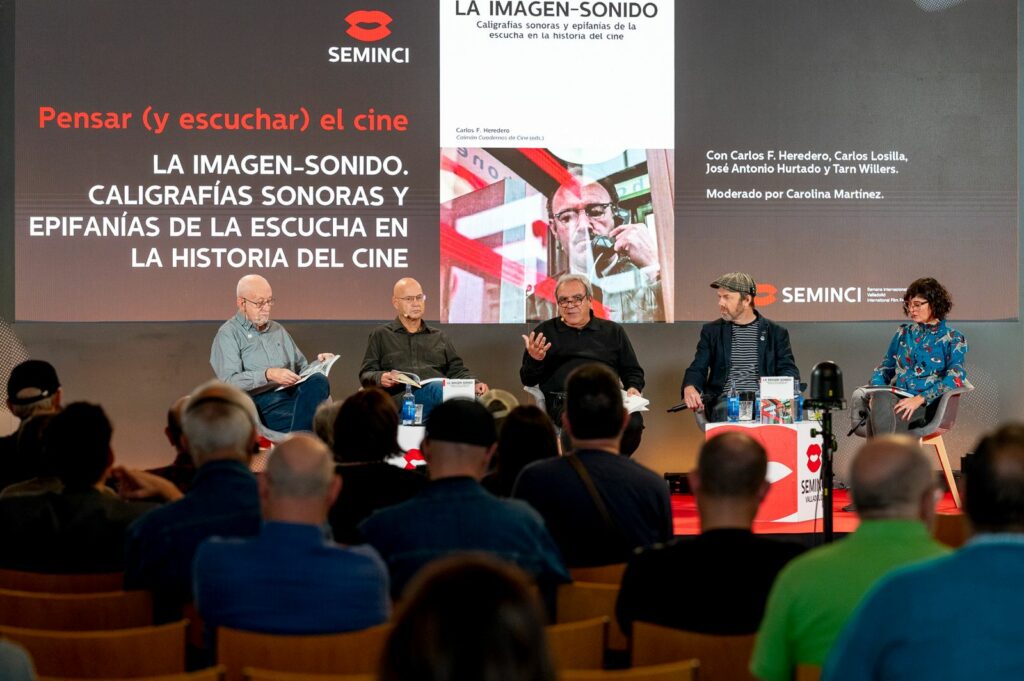
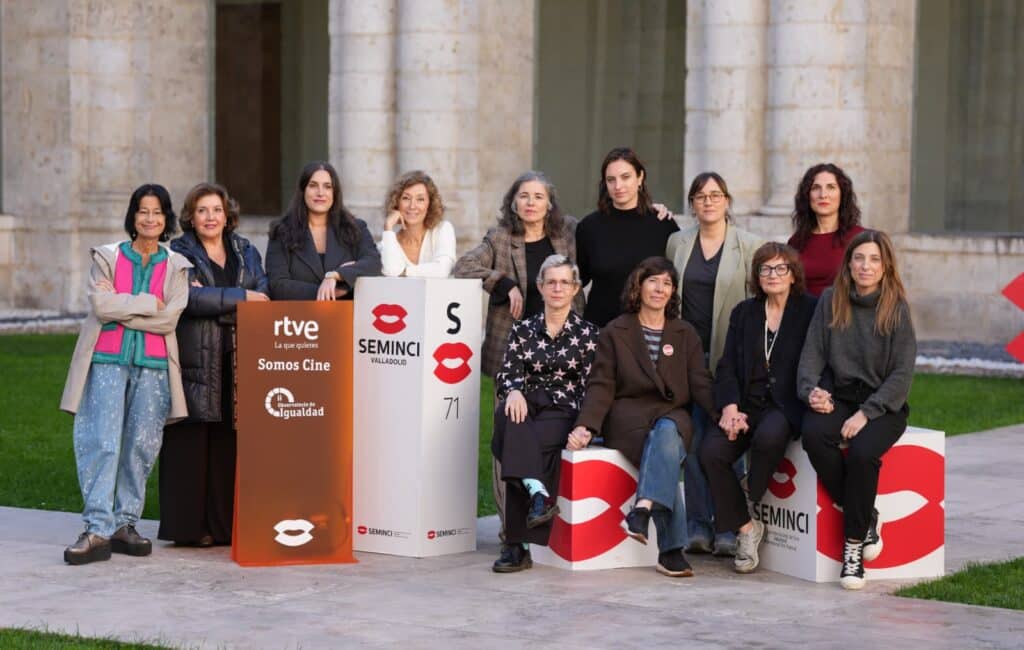
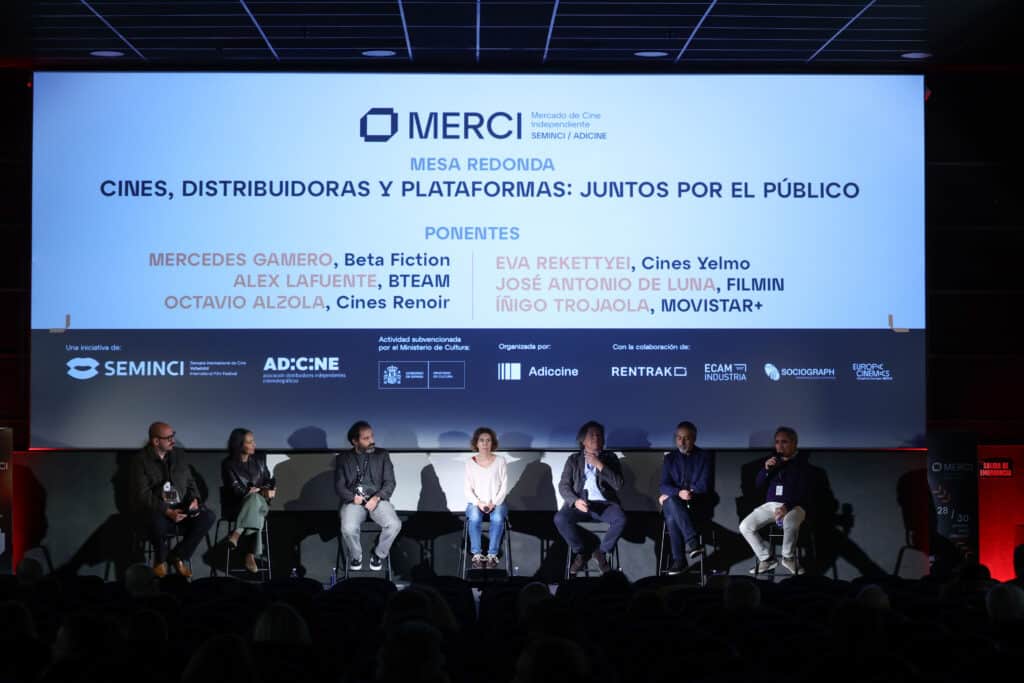
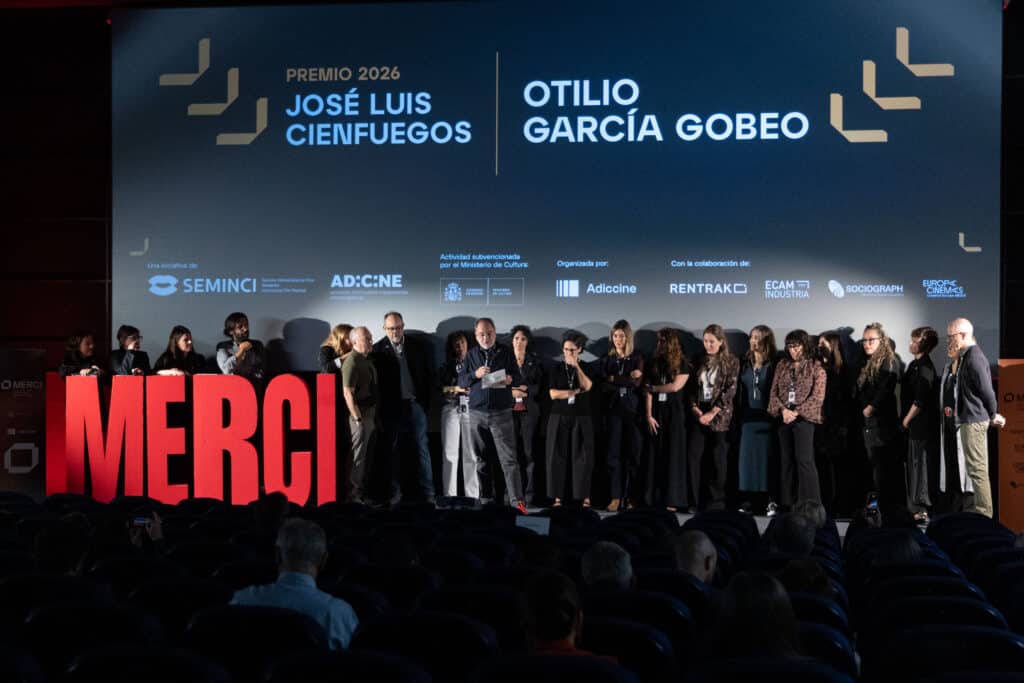
Arriba, encuentro ‘El arte de la escucha’ de Pensar (y escuchar) el cine, y las participantes del Encuentro de Mujeres Periodistas. Debajo, mesa redonda y entrega del Premio José Luis Cienfuegos en el Mercado del Cine Independiente – MERCI. © Seminci/ Photogenic.
Support for short films was complemented by a new networking activity bringing together filmmakers selected for SEMINCI’s competitive sections and participants from La Meseta, AFTER ECAM and SEMINCI Factory, alongside industry professionals. The meeting included a talk on short-film distribution delivered by Jorge Rivero, director of the Aguilar Film Festival.
The ESCAC First Feature Film Laboratory also took part in SEMINCI for the first time, coinciding with its twentieth anniversary. It presented eight projects – seven feature films and one series – to producers, distributors and other audiovisual industry professionals. The session, held at the Teatro Calderón, provided an opportunity to showcase new projects and help their creators establish contact with potential partners for their development and production.
This year, the Women Filmmakers’ Meeting became the Women Journalists’ Meeting, as part of the tribute to José Luis Cienfuegos and in recognition of his vision of festivals as spaces for reflection and dialogue in which the press plays a fundamental role. Organised in collaboration with RTVE and CIMA, the event brought together leading film journalists for two panel discussions and two case studies focusing on Cienfuegos’s legacy, the current challenges facing the profession, equality and editorial independence.
Meanwhile, DOCMA (the Spanish Documentary Film Association) organised the round-table discussion Looking Again: Archives and Cinema, bringing together professionals from the film industry, archives and institutions to reflect on access to and the reuse of audiovisual heritage in filmmaking, particularly in documentary cinema.
The international promotion of Spanish cinema also received support from Acción Cultural Española (AC/E), through its Programme for the Internationalisation of Spanish Culture (PICE), which facilitated the participation in SEMINCI of seven international professionals: Dennis Lim, Artistic Director of the New York Film Festival; Maximiliano Cruz, Artistic Director of FICUNAM; Cíntia Gil, associated with DocLisboa; Cyril Neyrat, Artistic Director of FIDMarseille; Bettina Hirsch, German journalist and presenter; Rasha Hosny, Egyptian critic and programmer; and Aleksandra Ławska, a film programmer based in Copenhagen.
Their presence, including their participation as members of various festival juries, helped strengthen connections with Spanish cinema and its filmmakers, opening up new opportunities for the international distribution and circulation of their work.
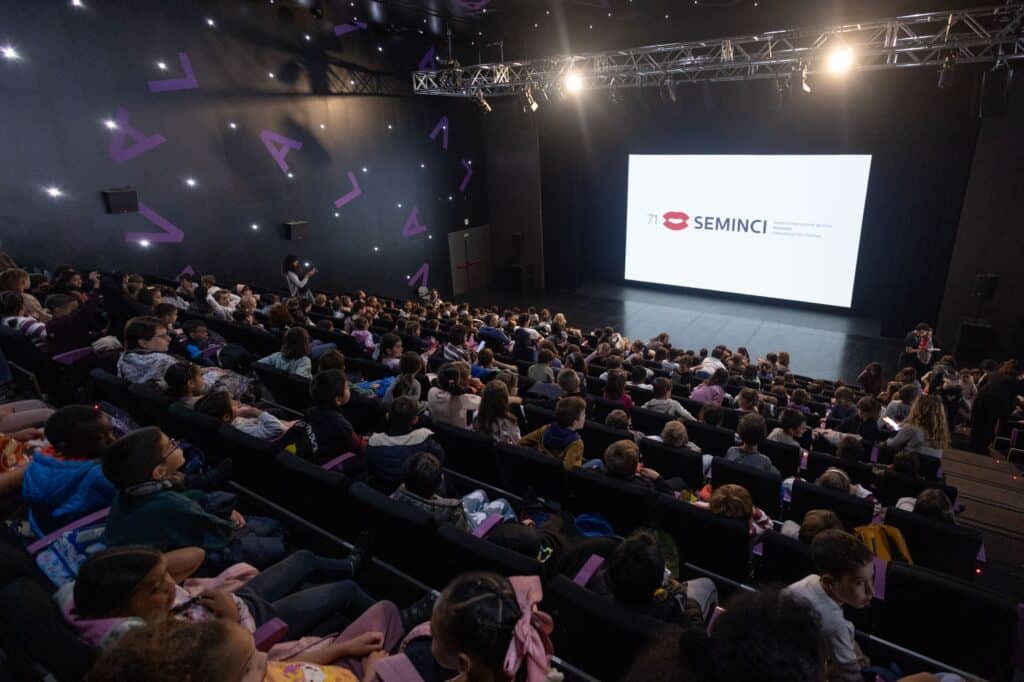

Asistentes a la sesión ‘Momonsters. Película de Navidad’ en Miniminci; reportejos gráficos, en la alfombra inaugural. © Seminci/ Photogenic.
SEMINCI’s educational programme attracts more than 24,000 participants
The MINIMINCI, SEMINCI Youth and SEMINCI in the Province programmes attracted a total of 24,326 participants during the 71st edition of SEMINCI.
The programme for school audiences involved 84 educational establishments in MINIMINCI and 75 in SEMINCI Youth, including primary and secondary schools from the city of Valladolid and other municipalities in the province, as well as from Palencia, Zamora and Segovia.
MINIMINCI attracted 13,349 spectators, with 30 screenings of nine feature films – one in English and another in French – and two short-film programmes aimed at children aged five and upwards and nine and upwards.
SEMINCI Joven, meanwhile, recorded 10,105 participants across its 38 screenings, which included twelve feature films in different languages and one short-film programme.
Both sections featured films recognised with their respective awards: Momonsters. Película de Navidad in MINIMINCI and Salen las lobas in SEMINCI Youth. Some screenings also included discussions designed to introduce school audiences to cinema and the creative processes behind filmmaking.
The extension of the educational programme into rural areas brought in a further 872 participants through SEMINCI in the Province, which reached the municipalities of Alaejos, Pedrajas de San Esteban and Villalón de Campos, with three MINIMINCI screenings and another three for SEMINCI Youth.
The participation of educational establishments across Castilla y León was also reflected in the Miniminci Poster Competition, which received 2,826 entries from 53 primary and special education schools throughout the region.
In the areas of inclusion and cultural engagement, SEMINCI provided 220 invitations to Pajarillos Educa for Cinema Pajarillos screenings. The Valladolid Provincial Council’s Cultural Classrooms initiative also received 473 tickets.
Meanwhile, the Young Programmers – Moving Cinema SEMINCI 2026 initiative received 27 applications and selected twelve participants aged between 16 and 23, from Valladolid, Valencia, Madrid, Segovia, Salamanca and Galicia.
The group completed seven working sessions and selected Todo es cárcel, as well as introducing the film Las noches and hosting a discussion afterwards. During the festival, participants gave two presentations, organised a discussion and held two private meetings with filmmakers, one online and the other in person.
SEMINCI’s educational activities continue beyond the festival through Cinephile Window, the audiovisual education programme organised in partnership with other film festivals and Filmin. Its seventh edition will remain available until 30 November.
An edition brought to life collectively
SEMINCI has not only remembered José Luis Cienfuegos, but also collectively celebrated his approach to and understanding of film festivals.
After more than three decades devoted to auteur cinema through the festivals of Gijón, Seville and Valladolid, where he served as SEMINCI’s director from 2023 to 2025, José Luis left a profound mark on Spanish film culture.
His vision of festivals as meeting places for films, filmmakers, audiences, industry professionals, journalists and institutions was very much present throughout this 71st edition.
The tribute also provided an opportunity to continue the projects he had set in motion: the retrospective ‘A History of Sound (in Cinema)’; the photograph by Apichatpong Weerasethakul that featured on this year’s festival poster; the Academic Honorary Spike, reflecting his commitment to bringing cinema into the classroom; and SEMINCI Nights, which once again brought cinema and music together beyond the cinemas.
These initiatives were joined by the José Luis Cienfuegos Award for Professional Achievement and the Women Journalists’ Meeting, among other activities.
Organised by Valladolid City Council, the 71st edition of SEMINCI received institutional support from the Ministry of Culture, through the Institute of Cinematography and Audiovisual Arts (ICAA), the Regional Government of Castilla y León, the Provincial Council of Valladolid and Creative Europe MEDIA.
This year’s gold sponsors were DO Ribera del Duero, Nos Impulsa and Renault Group; silver sponsors were Unicaja, RTVE, El Norte de Castilla, Recoletas Salud and FUNDOS; and bronze sponsors were the University of Valladolid, Gadis, DAMA and 1906.
The response from audiences and the educational community, who once again filled the cinemas over nine days, together with the participation of filmmakers and the commitment of professionals from the film industry, sponsors and partners, has once again made SEMINCI a meeting place for cinematic discovery and exchange.
The 72nd edition of the Valladolid International Film Week (SEMINCI) will take place from 22 to 30 October 2027.