

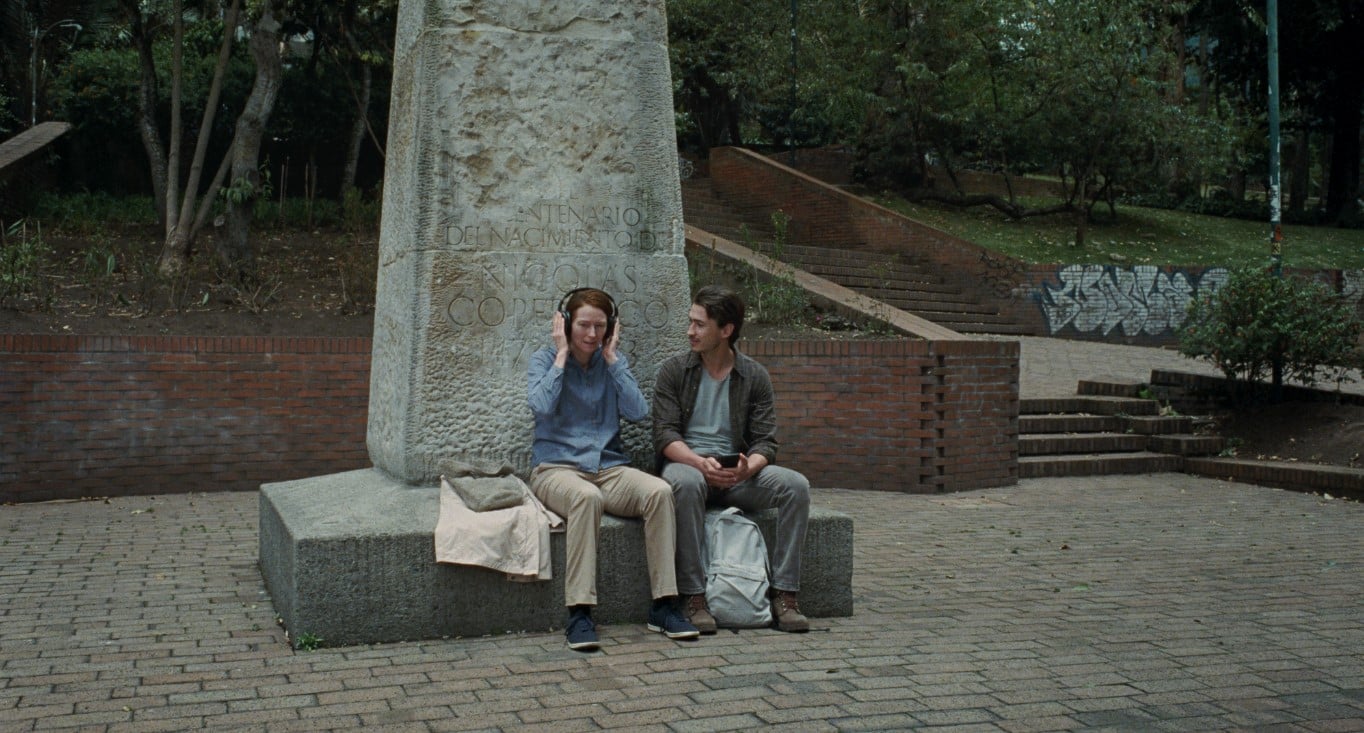
- The retrospective of the 71st edition of SEMINCI offers a historical journey through films in which sound becomes a decisive element of the narrative, from M (Fritz Lang, 1931) to The Zone of Interest (Jonathan Glazer, 2023).
- The series is rounded out by the “Thinking (and Listening to) Cinema” discussion program, dedicated this year to sound, and a monographic publication in collaboration with Caimán Cuadernos de Cine.
The Valladolid International Film Festival—SEMINCI—places sound at the center of its 71st edition with A History of Sound (in Cinema), offering a broad reflection on cinema through what has remained in the background for decades: what we hear.
Far from being presented as a technical complement, the retrospective approaches cinema through the decisive role of sound in the narrative, focusing on films in which what we hear constructs meaning, guides perception, and redefines the viewer’s relationship with the image.
The retrospective is organized around several main themes: the film series, the lecture series “Thinking (and Listening to) Cinema,” and a monographic publication in collaboration with Caimán Cuadernos de Cine.
Although cinema began as a silent art form, the advent of sound marked a decisive transformation, as its potential as a key tool of cinematic language developed progressively. For a long time, its function was subordinate to the image. However, over the decades, sound has gradually gained autonomy until, in numerous contemporary works, it has become the true driving force behind the cinematic experience.
In recent years, filmmakers such as Apichatpong Weerasethakul, Lucrecia Martel, Jonathan Glazer, and Oliver Laxe have radicalized this trend, conceiving of sound as the raw material of filmmaking and generating immersive experiences of great sensory and emotional intensity. In this context, A History of Sound (in Cinema) is conceived as a space for reflection on how waves, frequencies, and silences have made it possible not only to expand the aesthetic possibilities of cinema but also to address political, historical, and intimate issues.
A historical journey: from the discovery of sound to its contemporary centrality
The cycle began to take shape last November with José Luis Cienfuegos at the helm of the festival and has continued to develop as part of the program for the 71st edition. The retrospective traces this journey through a selection of films organized into two main sections: the first spans the 20th century, from the dawn of sound cinema to the late 1990s, and the second delves into the 21st century, where sound has taken on a decisive role in contemporary forms of creation.
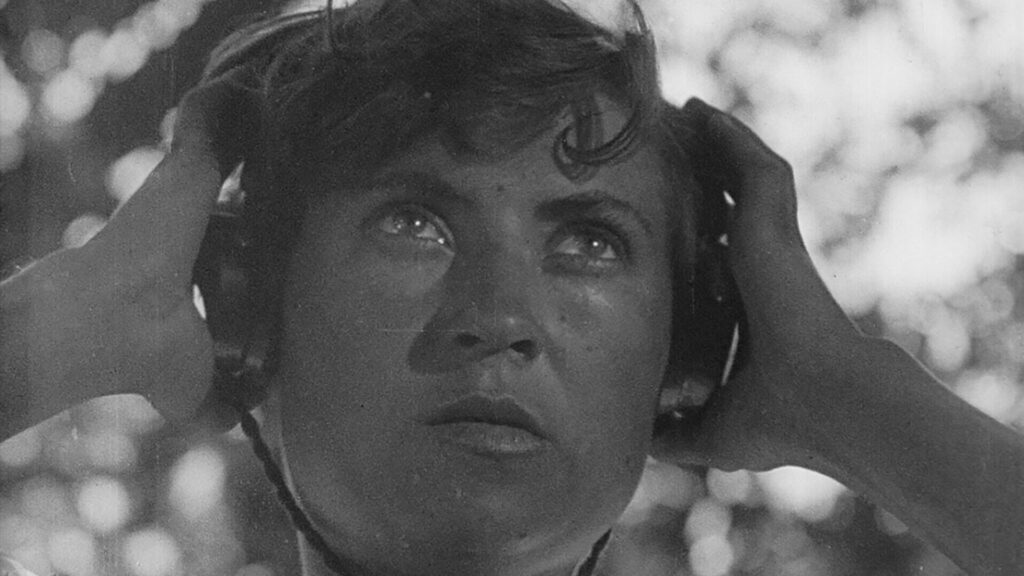
The program begins with M (Fritz Lang, 1931), one of the first films to explore the expressive potential of sound as a narrative element, with the murderer’s famous whistle serving as a signature sound and a device for building tension. From there, the series explores how the auditory takes on a political dimension in works such as Enthusiasm: Symphony of the Donbas (Dziga Vertov, 1931) or Listen to Britain (Humphrey Jennings and Stewart McAllister, 1942), where the editing of sounds serves an ideological construction.
The journey through the 20th century traverses various forms of sound experimentation: from the almost choreographic precision of the urban soundscapes in Playtime (Jacques Tati, 1967), where everyday sounds construct a satire of modernity, to the extreme refinement of Lancelot du Lac (Robert Bresson, 1974), where the repetition of sounds—armor, footsteps, clashes— creates an austere cadence that replaces dramatic emphasis.
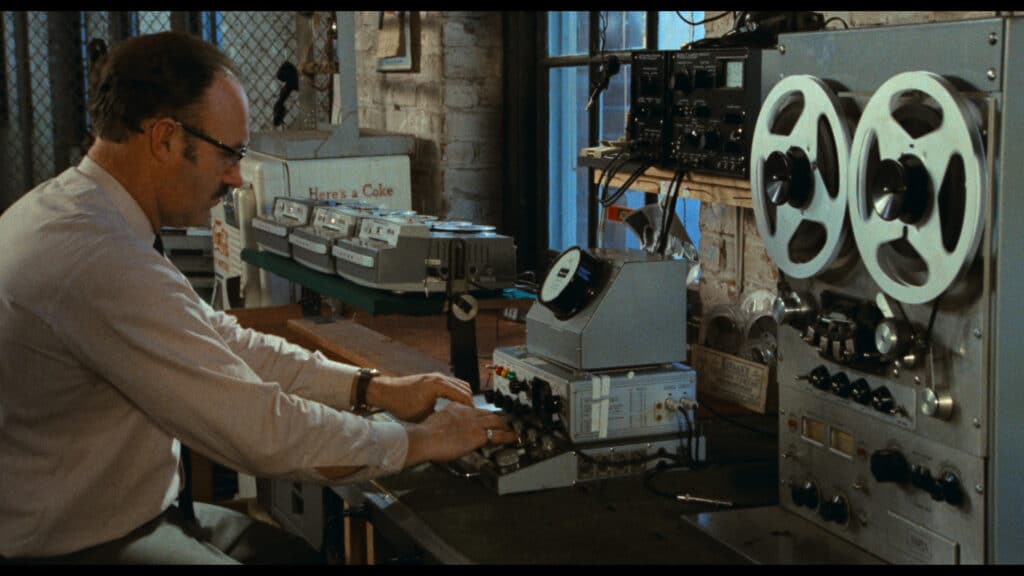
Listening becomes the central theme of The Conversation (Francis Ford Coppola, 1974), while in The Shout (Jerzy Skolimowski, 1978) sound takes on a physical and unsettling dimension, and in Blow Out (Brian De Palma, 1981) the manipulation of audio becomes a direct part of the narrative.
The Evolution of Sound from the 20th to the 21st Century
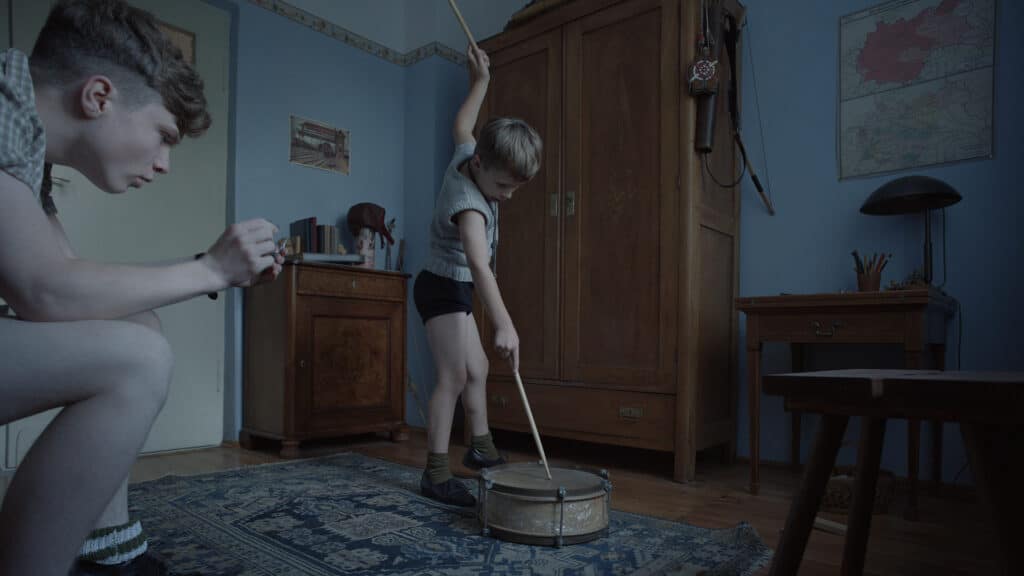
The second part, focused on the 21st century, brings together works in which sound not only accompanies but structures the experience. In The Tribe (Myroslav Slaboshpytskiy, 2014), featuring deaf characters, the absence of conventional verbal language makes sound—along with its absence—a key element of expression and perception.
Lawrence Abu Hamdan’s works, such as The Diary of a Sky (2024), position sound as a tool for political and legal investigation, capable of functioning as evidence, testimony, and the construction of memory in contexts of conflict. In Atlantics (Mati Diop, 2019), the soundscape of the sea articulates an emotional and existential dimension, opening a passage between the visible and the invisible.
In Memoria (Apichatpong Weerasethakul, 2021), sound appears as a persistent trace, akin to a memory or a presence that the protagonist attempts to decipher, triggering an intimate and sensory experience. In The Zone of Interest (Jonathan Glazer, 2023), the off-screen sound shifts the horror toward what is not shown and makes listening the primary space of representation. In Preemptive Listening (Aura Satz, 2024), sirens are reimagined as a sonic and political device that reveals their ability to shape collective perception and function as a tool for warning and control.
The complete list of titles included in the retrospective will be announced in the coming months.
A space for listening and reflection
A History of Sound (in Cinema) will also extend beyond the screenings. The cycle will include Thinking (and Listening to) Cinema, a series of public events in which filmmakers and sound professionals will discuss their creative processes and recent developments in the field of sound design.
This will be complemented by the publication of a monograph, edited by Carlos F. Heredero/Caimán Cuadernos de Cine, which aims to become a Spanish-language reference work on the role of sound in the history and present of cinema.
With this retrospective, SEMINCI proposes a shift in perspective—or, rather, in listening—: to examine how cinema has incorporated sound not merely as an accompaniment, but as one of its richest and most complex means of constructing meaning.