

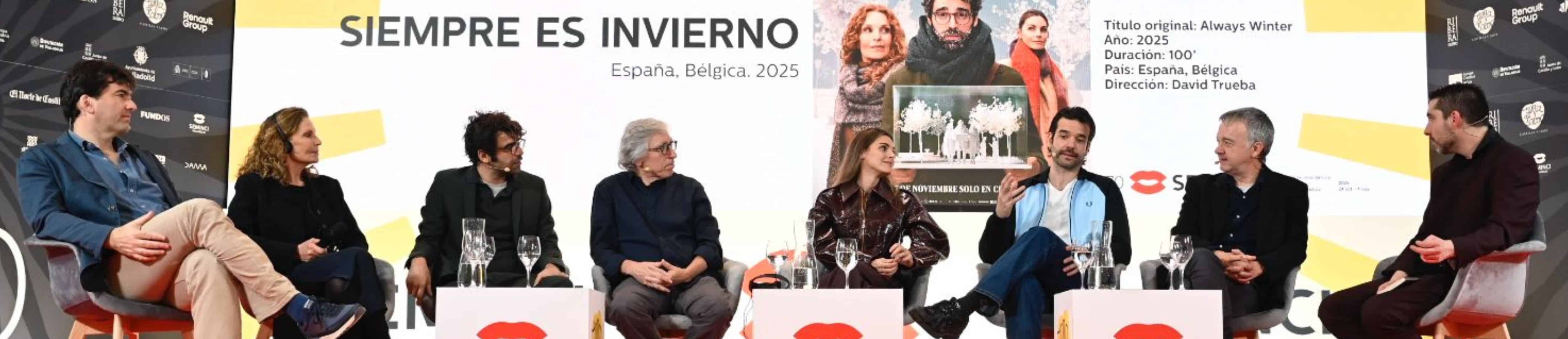
- The director and author presented the world premiere of the film alongside actors David Verdaguer and Jon Arias, actresses Amaia Salamanca and Isabelle Renauld, and producers Edmon Roch and Jaime Ortiz de Artiñano.
The 70th edition of the Valladolid International Film Festival is drawing to a close with the world premiere of Siempre es invierno. The new film by writer and director David Trueba will bring the festival to a glittering close at tomorrow’s closing gala. ‘It’s the first time I’ve participated in SEMINCI with a film. My father is from Tierra de Campos, and this has always been a festival that those of us who love cinema hold in very high regard,’ said Trueba during the film’s presentation.
Siempre es invierno tells the story of Miguel, a landscape architect whose life takes a 180-degree turn during a trip to Liège when his relationship unexpectedly ends, setting him on a path of new romantic and professional adventures that make him rethink his way of seeing life. Speaking about blending comedy and drama, which brings audiences closer to familiar emotions and relatable characters, the filmmaker explained: ‘I always say I don’t make genre films, I don’t know how to. I think there’s one genre above all others, and that’s life itself. You cut a slice of it and realize things aren’t as we’re told; inside people, there are complexities and a will to keep on living.’
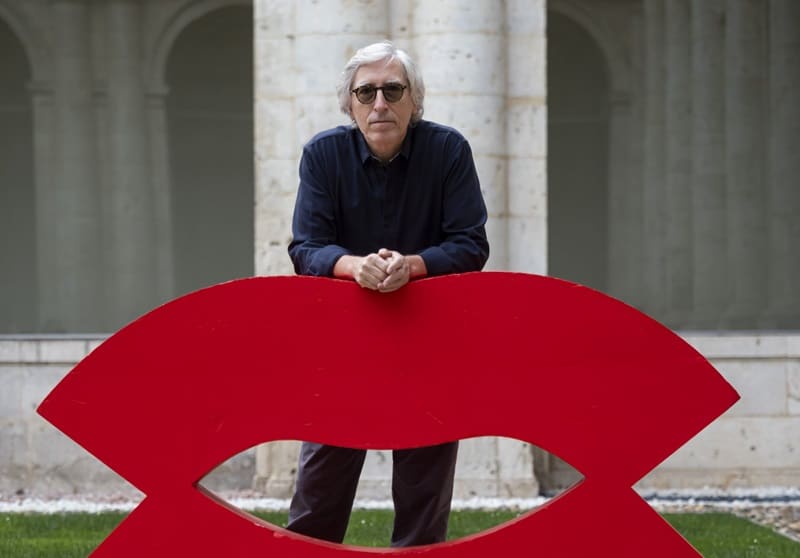
Based on the 2015 novel Blitz, this marks the first time Trueba has adapted one of his own books for the screen: ‘As the title suggests, the novel came to me like a lightning bolt, an urgent need to write it at that very moment. And it’s the only time that, as I started writing, I wasn’t sure whether I was creating a novel or a film. So very early on I wanted to bring it to the screen, and it’s been a long process that finally came together thanks to Edmon and Jaime, who wanted to keep working with me after Saben aquell.’
Directing the actors
Saben aquell (2023) also marked the beginning of a fruitful professional relationship between Trueba and David Verdaguer, who won the Goya Award for Best Actor for his portrayal of the famous comedian Eugenio. ‘That role required David to go through a very deep process of introspection. It was our first film together, and I realized he could display such a wide range of tones and nuances, he could make you laugh with something very sad or move you with irony. So I told him, “I need to write a character that lets you explore all those shades”’ the director shared.
The actor reflected on the freedom that came with playing Miguel, a character who faces the challenge of a language barrier in a foreign country: ‘Getting to know someone in a language that isn’t your own is difficult. But what starts as a problem ends up being like working with children, it forces you to really pay attention to the other person, to understand and be understood. Then you become a freer, more expressive actor because you stop thinking about yourself.’
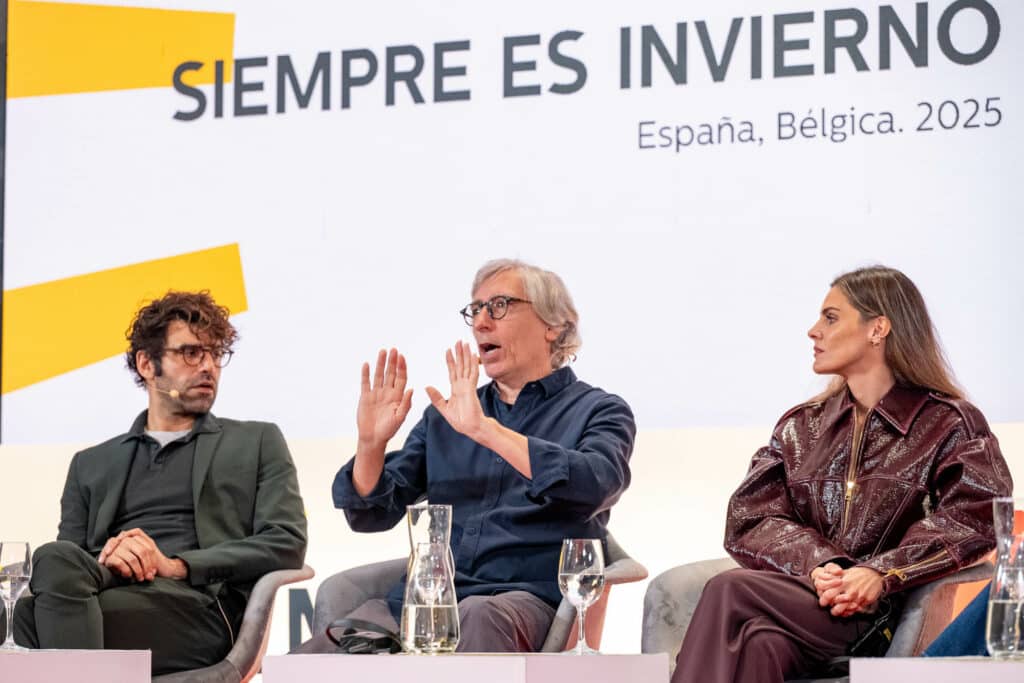
Trueba added: ‘I’ve always thought that actors should be given the freedom to do what you want them to do. As a director, at first you’re very invasive, but later you realize that the script has already planted a seed in them. Your job is simply to help it grow.’ This is something that actresses Amaia Salamanca and Isabelle Renauld also wholeheartedly celebrated.
Characters and Perspectives
The French actress, who first met Trueba 30 years ago, highlighted the importance of her role in relation to the gender dynamics present in the film industry: ‘For me, it was an opportunity I simply couldn’t turn down. It’s very difficult to find a part like this for actresses over 50,’ said the performer known for Monsieur Ibrahim and Eternity and a day.
The director expanded on this issue, stating: ‘Society has compartmentalised life for us, especially for women. It has tried to dictate how far they can go and when their time is considered to have passed. It’s utterly absurd, this world where ageing is seen as making men more interesting and attractive, yet in women it’s deemed unacceptable.’
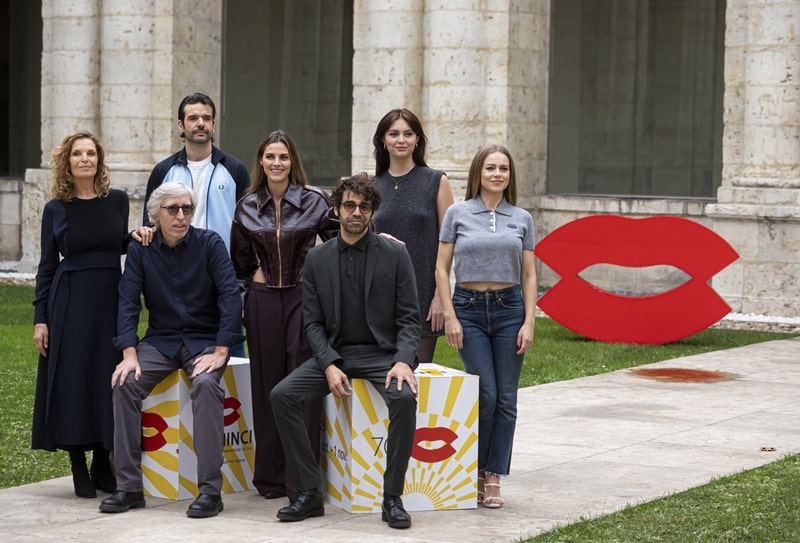
Speaking about the character portrayed by Isabelle Renauld, Trueba reflected on how his perception of her has changed over time: ‘When I wrote the novel, the main character and narrator was the guiding voice. Everything was tied to him and to his sensibility, which at that time was probably very close to my own. But ten or twelve years later, while making the film, I realised that I felt much closer to the character Isabelle plays. We’re both at a stage in life where there’s no longer that anxiety or need to fill empty spaces, we’ve already found a sense of normality.’
And concluded: ‘It’s so fascinating when directors are able to put you in the place of every character in a film. We live in a time of great incompatibility in how we coexist, and it’s important to remember that fiction makes us better people because it allows us to see life through the eyes of others. I believe one of the reasons we’re becoming worse people is because we read less.’