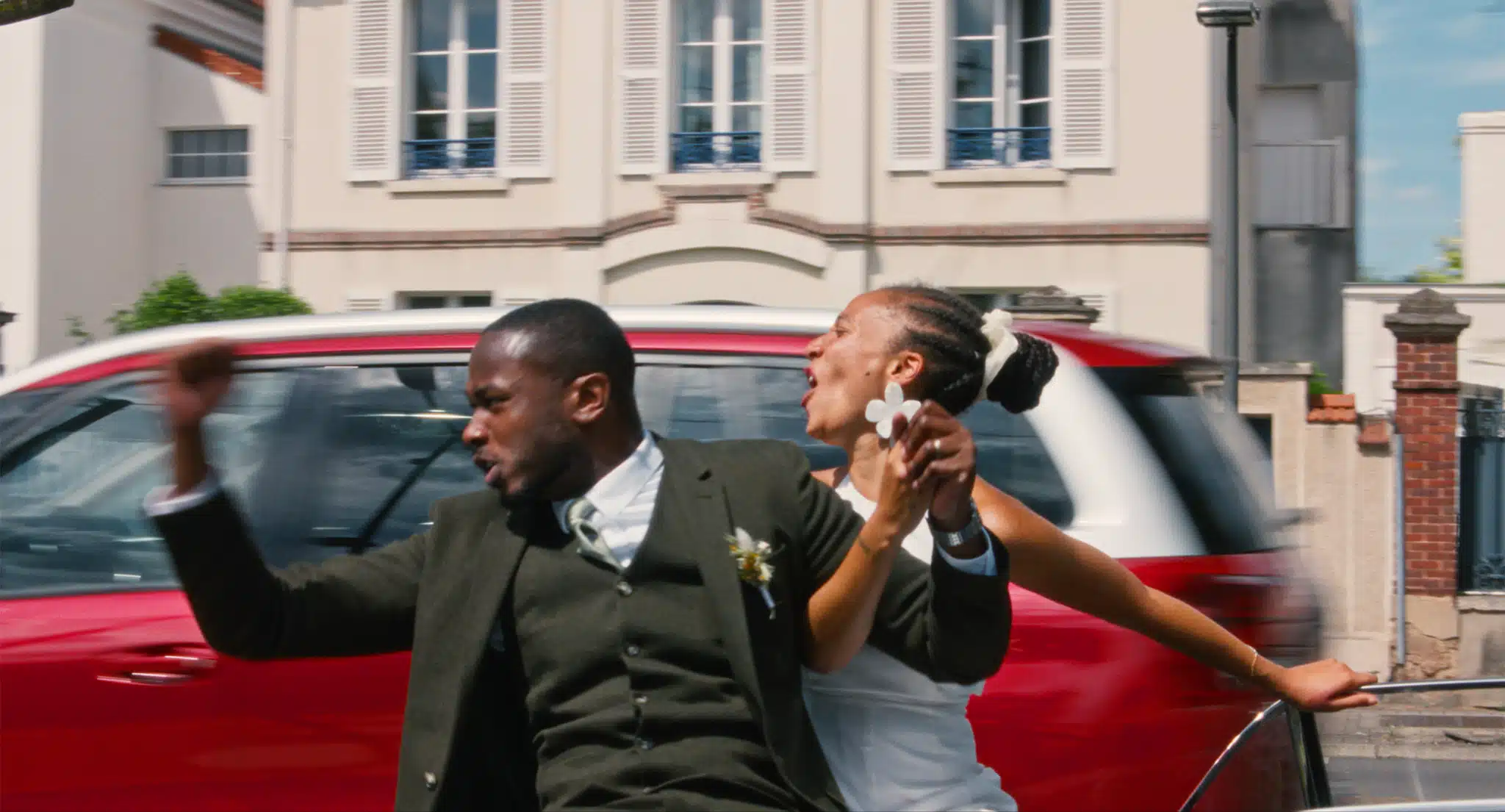
- The French-Senegalese filmmaker’s film takes the top prize in the International Official Section, while La Gradiva by Marine Atlan receives the Silver Spike and Aquí by Tiago Guedes earns a Special Mention.
- Double Freedom by Lisandro Alonso wins the Ribera del Duero Award for Best Director, while Alba Rohrwacher and Swann Arlaud receive the acting awards.
- 9 Temples to Heaven by Sompot Chidgasornpongse wins the Meeting Point Award, and Promised Spaces by Ivan Marković takes the Alchemies Grand Prize.
- The 71st edition has hosted more than 120 Q&A sessions, welcomed over 90% of the filmmakers whose work was programmed in the official sections and, according to the festival’s initial provisional figures, has already attracted 100,000 spectators to cinemas in Valladolid.
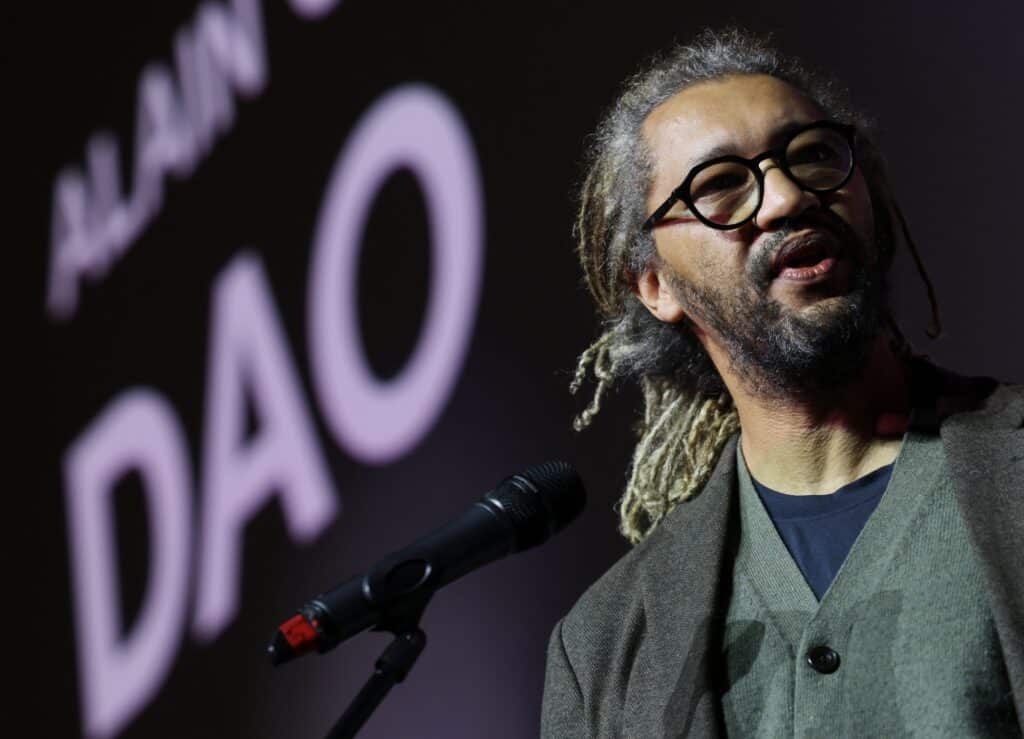
The 71st edition of the Valladolid International Film Festival (SEMINCI) has announced its awards, headed by Dao, by filmmaker Alain Gomis, which has won the Golden Spike in the International Official Section.
Two events taking place in geographically distant locations, but connected through their protagonists, form the backbone of the winning film: a wedding in France, within a family of African heritage, and a funeral ritual in Guinea-Bissau bring their respective communities together to celebrate and say farewell. Through fictional characters, real people and testimonies from members of the communities themselves, the French-Senegalese filmmaker reconstructs the stories of those who left and those who chose to stay.
The 71st SEMINCI concludes this Saturday with the Spanish premiere of Hombre al agua, by Gael García Bernal, bringing to a close an edition that has hosted more than 120 Q&A sessions and welcomed over 90% of the filmmakers whose work was programmed in the official sections. According to the festival’s initial provisional figures, cinemas in Valladolid have already welcomed 100,000 spectators.
International Official Section
The jury of the International Official Section, comprising Italian producer Francesca Andreoli, French composer Grégoire Hetzel, programmer and writer Dennis Lim, Spanish filmmaker and producer Elena Manrique, and Uruguayan-Spanish director Federico Veiroj, has awarded the Golden Spike to Dao, by Alain Gomis, a co-production between France, Senegal and Guinea-Bissau.
The jury praised its “distinctive cinematic form”, in which “rhythm, duration and movement create an atmosphere that is both intimate and immersive”. The citation emphasised that the film’s extraordinary achievement lies in “evoking a free, open and porous space between fiction and documentary, in which the personal and the collective, the visible and the perceptible, resonate with hypnotic intensity”.
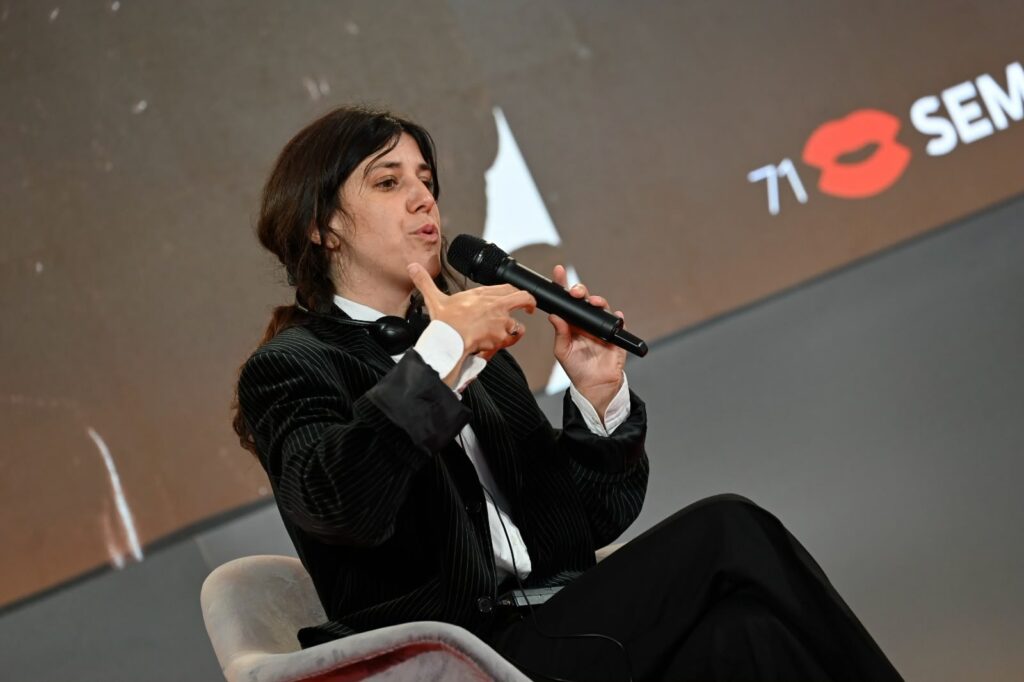
The Silver Spike went to La Gradiva, by Marine Atlan, a co-production between France and Italy. The jury recognised its “narrative richness”, which “masterfully combines naturalism and the novelistic, lyrical outbursts and mythological depths, sociological truths and metaphysical vertigo”, and paid particular tribute to its cast.
The jury also awarded a Special Mention to Aquí, by Tiago Guedes, a work of “visual and narrative ambition” which, through an almost timeless universe, transforms its original material into a fully realised world of its own, driven by artistic courage.
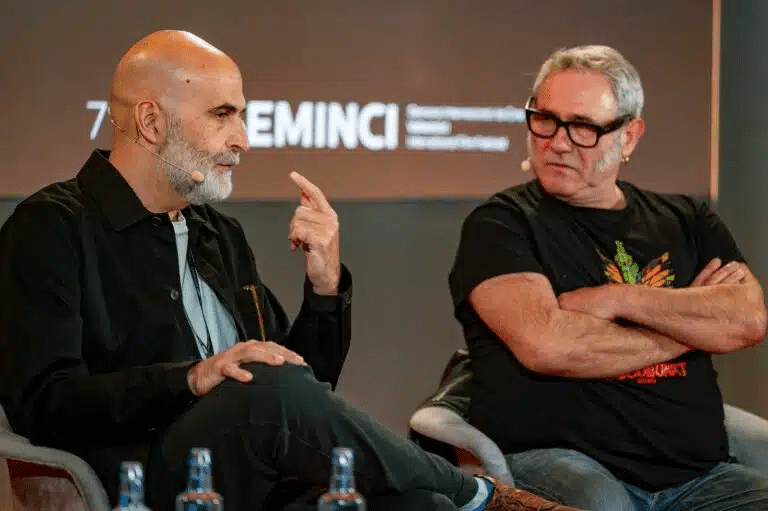
The Ribera del Duero Award for Best Director went to Argentine filmmaker Lisandro Alonso for Double Freedom, a co-production between Chile, Argentina, Luxembourg, Germany and the United Kingdom. The jury praised his “cinematic conviction and his ability to transform contemplative language into an engaging experience”.
In the acting categories, Alba Rohrwacher received the Best Actress Award for her performance in A Good Little Soldier, by Stéphane Brizé. The jury highlighted her “sensitive and complete” portrayal of Carla, an ambitious businesswoman caught in a mechanism of domination in which she is “both accomplice and victim, executioner and oppressed”. It also noted that the subtlety of her performance “is more than acting: it is an embodiment”.
The Best Actor Award went to Swann Arlaud for A Man of His Time, by Emmanuel Marre. The jury recognised his “extraordinary ability to portray a man driven by ambition and idealism” and his “subtle and deeply convincing” performance, which reveals the contradictions and moral compromises of an ordinary man caught up in extraordinary times.
Marre’s film also received the Renault Group Award for Best Cinematography, presented to Olivier Boonjing for Notre Salut. The jury praised his ability to portray “a bygone era with great elegance”, using a dynamic and contemporary visual language in which past and present overlap, bringing the story and its characters closer to contemporary narrative conventions.
Sandra Wollner received the Miguel Delibes Award for Best Screenplay for Everytime, in recognition of its “creative exploration of grief and memory in a world mediated by digital technology” and its “subtle and unsettling” examination of how loss transforms our perception of time and reality.
The José Salcedo Award for Best Editing went to Guillaume Lillo for La Gradiva. The jury praised the way the film’s rhythm “is built around the emotions”, maintaining a dynamic balance between what happens within and beyond the characters and allowing the audience to become part of this emotional journey.
Meeting Point
The Meeting Point jury, comprising Spanish filmmaker Gabriel Azorín, Mexican programmer Maximiliano Cruz and Portuguese filmmaker Leonor Noivo, awarded the Best Feature Film prize to 9 Temples to Heaven, by Sompot Chidgasornpongse.
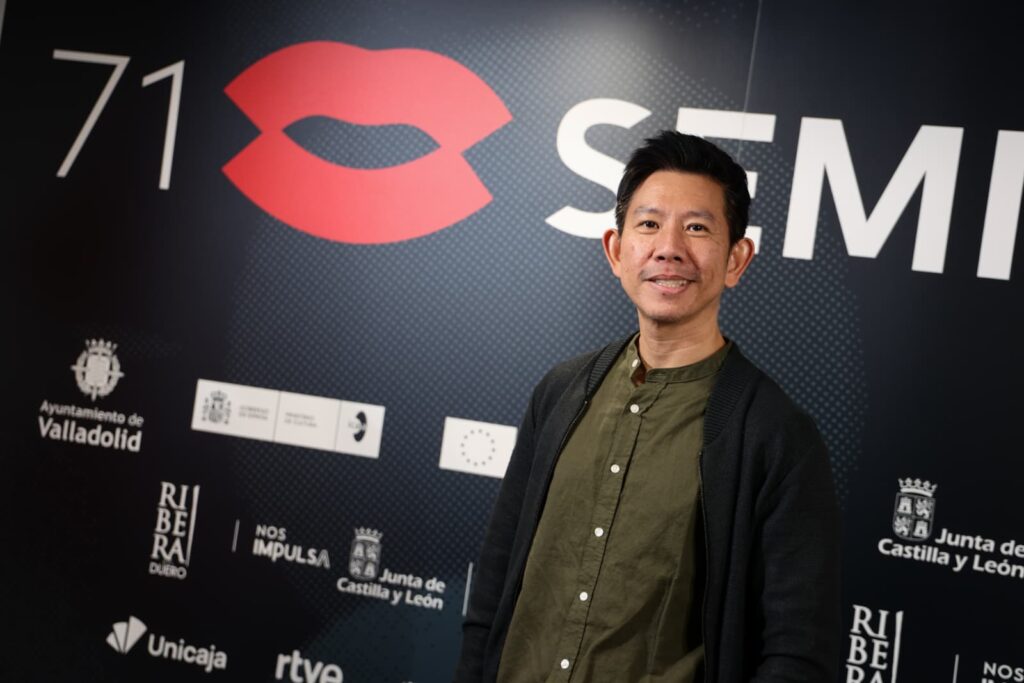
The jury praised the film’s mise-en-scène, which “focuses on the group rather than the individual”, and its sound design, which “reminds us that what is visible is only part of what surrounds us”. The film follows three generations of a family as they visit places dedicated to the sacred together. The citation also highlighted its critical perspective on “the commercialisation of faith” and its ability to reveal the ideological and generational conflicts of contemporary Thailand.

The FUNDOS Special Award went to Cinemanía, by Marc Ferrer, for “the freedom that overflows at both a formal and discursive level” and “the affection and clear-sighted humour with which it approaches the everyday conflicts” of characters struggling to survive in a city beset by emotional instability and property speculation. The jury also praised the filmmaker’s distinctive style and his “emancipatory attitude towards life and the art of filmmaking”.
The ESCAC Award recognised Manon Coubia for Forest High. The jury praised a film that “reaches us like a whisper”, shot “with rigour and sensitivity”, and which constructs intimate portraits of its protagonists. It also highlighted the balance between mise-en-scène, performances and editing, as well as the film’s ability to invite audiences to share “the idea of refuge” and reflect on ourselves “as a last refuge in an increasingly hostile world”.
Alchemies
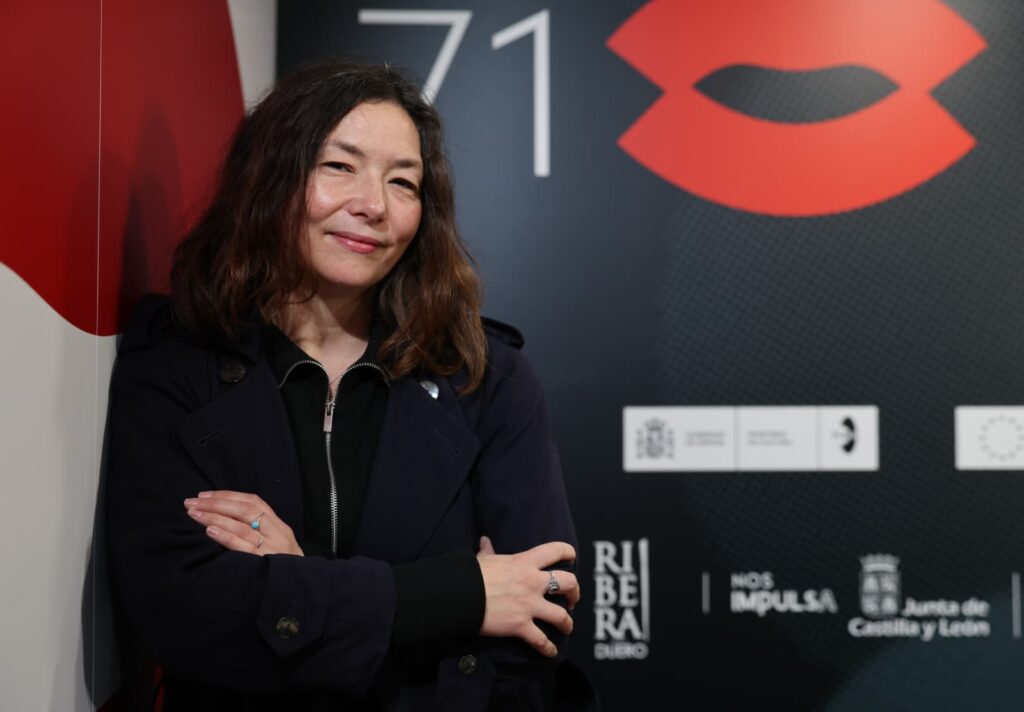
The Alchemies jury, comprising director and artist Anna Cornudella Castro, film critic and FIDMarseille artistic director Cyril Neyrat, and artist Aura Satz, awarded the Alchemies Grand Prize to Promised Spaces, by Ivan Marković, a co-production between France, Germany, Serbia and Cambodia.
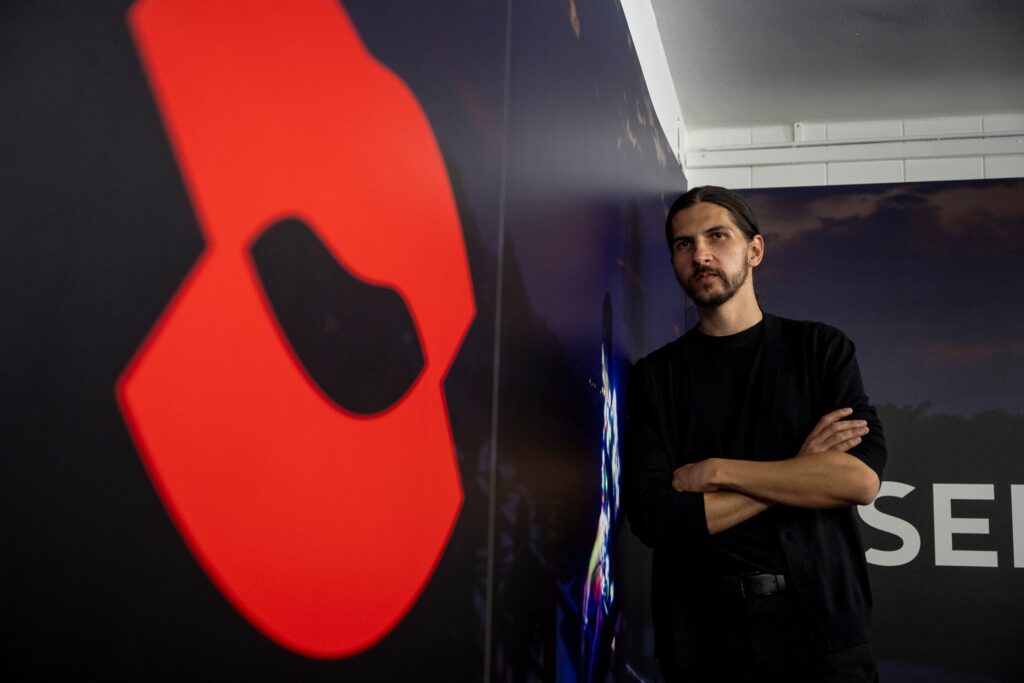
The jury praised its portrayal of “a dreamlike landscape of relentless and predatory urbanisation” which, still unfinished and already in ruins, contains a social microcosm of segregated classes, ranging from homeless workers to affluent tenants. The striking cinematography and multi-layered sound design create “a poetic vision” which, despite being rooted in the specific context of Cambodia, achieves universal resonance.
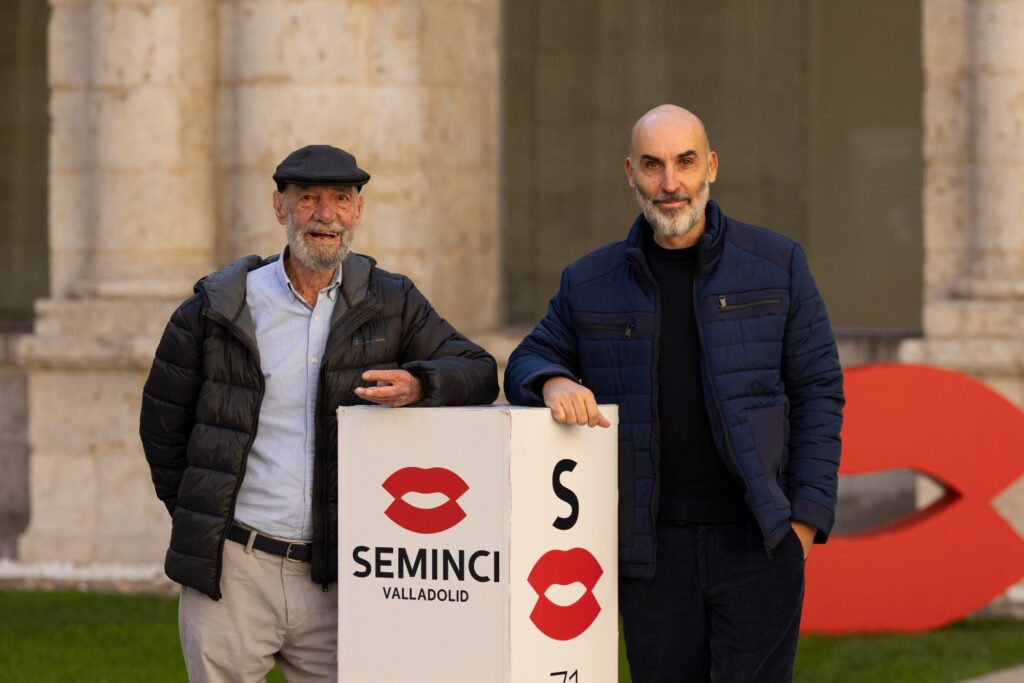
David Baute received a Special Mention for Benigno, his portrait of “an elderly, sensitive and kind-hearted man preparing his legacy” and “an island way of life under threat”. The jury described the film as “a genuine gem” and a guardian of the volcanic beauty of the Canary Islands.
Time of History
The Time of History jury, comprising filmmaker, lecturer and researcher Alejandro Alvarado Jódar, Portuguese programmer Cíntia Gil and Romanian director Vlad Petri, awarded the Time of History Grand Prize to Alea Jacarandas, by Hassen Ferhani, a co-production between Algeria and France.
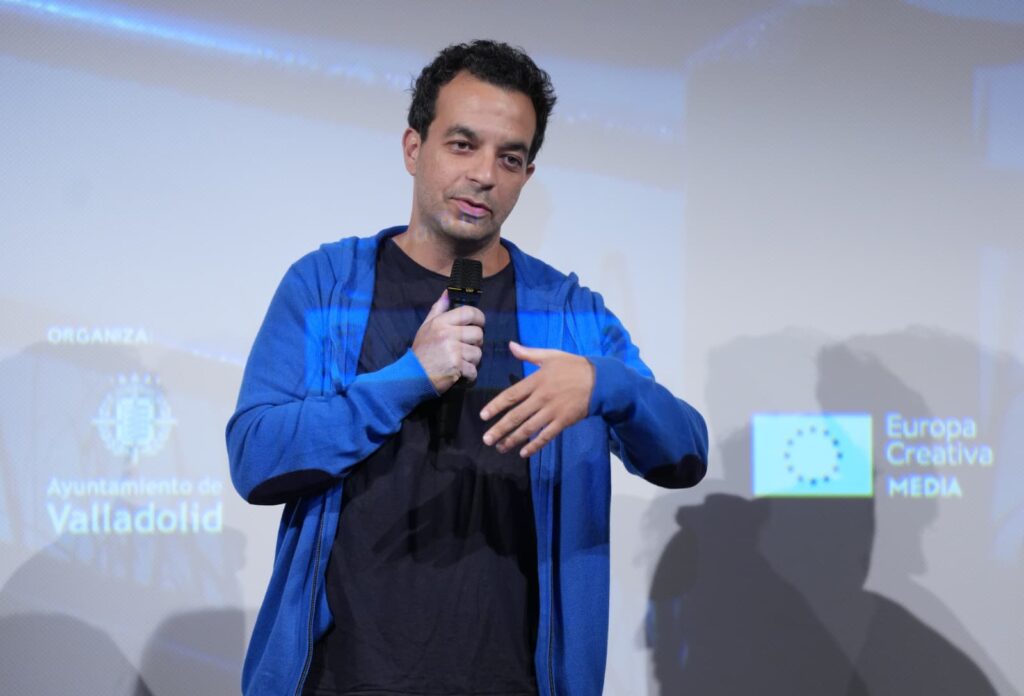
The jury recognised a film that “creates its own form from a multiplicity of historical, cultural, intimate and geographical layers, like a jacaranda tree”. It described the work as “a love letter to a city and its inhabitants, both living and dead”, and highlighted the emergence of a filmmaker and the inspiration he draws from a father who maintained a home to which he could always return, a legacy that his son continues through this film. The citation also emphasised that this is a long-gestation project, “crafted with beautiful simplicity and sincere emotion”.
The Time of History Special Award went to Life of Jorge Luis Borges, by Mariano Llinás (Argentina). The jury described the film as “an anti-biography”, an obsessive and overwhelming quest to uncover one of the most enigmatic personalities of the 20th century. The citation highlighted its “deeply inventive and surprising” nature, its ability to give shape to the contradictions of its protagonist and its dialogue with the present. “Entertaining, captivating, infinite.”
The jury awarded a Time of History Special Mention to At Night, by Beatrice Gibson (United Kingdom and France). It praised a work that proposes “a journey into the inner lives of women who share a collective sensibility in the face of multiple existential crossroads”. The citation noted that its political dimension is rooted above all in real experiences and feelings, revealing the complexity of contemporary life from an intersectional perspective.
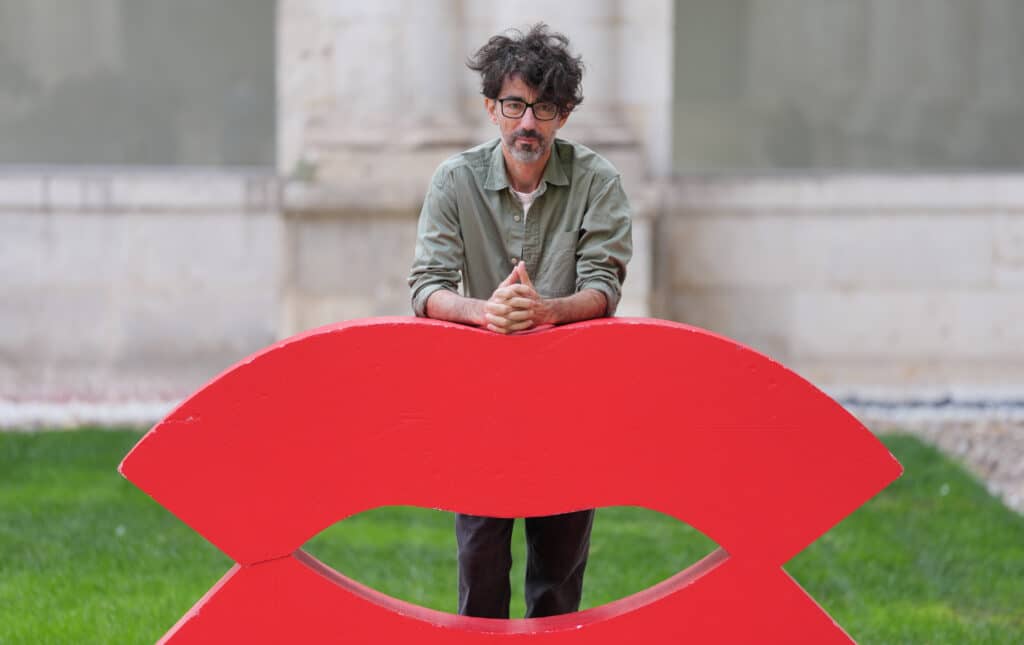
The DOC. España Award recognised Letters from an Inner Exile, by Eloy Enciso (Spain), for a film that “excavates the weight of history and horror inscribed in the everyday landscape”. Through a variety of forms and materials — letters, conversations, mise-en-scène, objects and spaces — the work reveals the profound intergenerational dimension of trauma and unravels the fascist genocide perpetrated by Franco’s regime.
Other Feature Film Awards
The Pilar Miró Award for Best Spanish Director, presented by a jury comprising cultural journalist Lucas Barquero, critic Fernando Bernal and film and television journalist María Juesas, went to Sebastián Uría for Farewell, Rivers (Spain). The jury praised his “sensitive and humanistic perspective”, which draws a line between past and present to bring life back to a region experiencing depopulation.
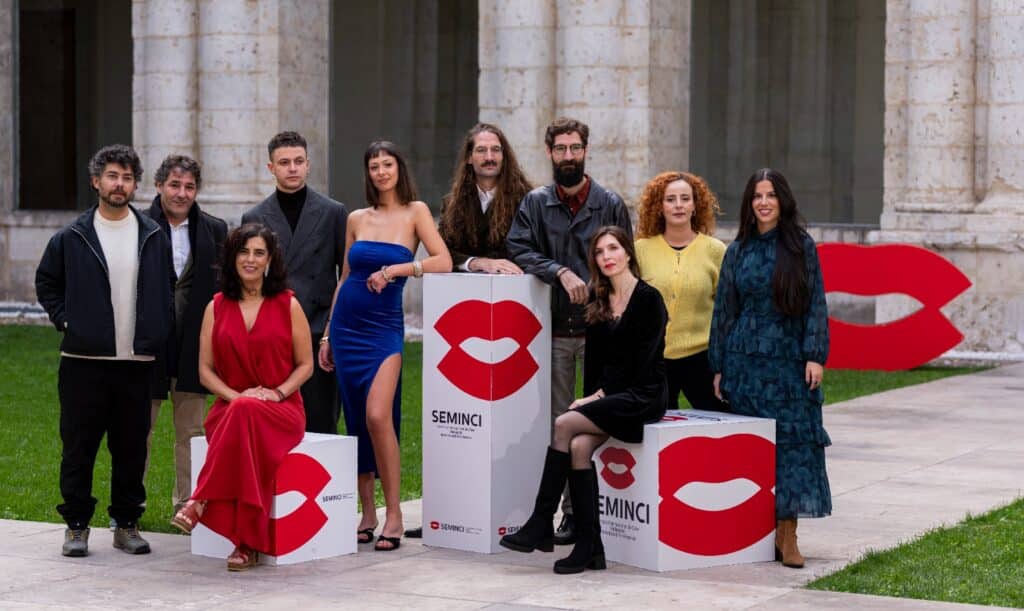
‘Adiós, ríos’ film crew. ©Seminci/ Photogenic
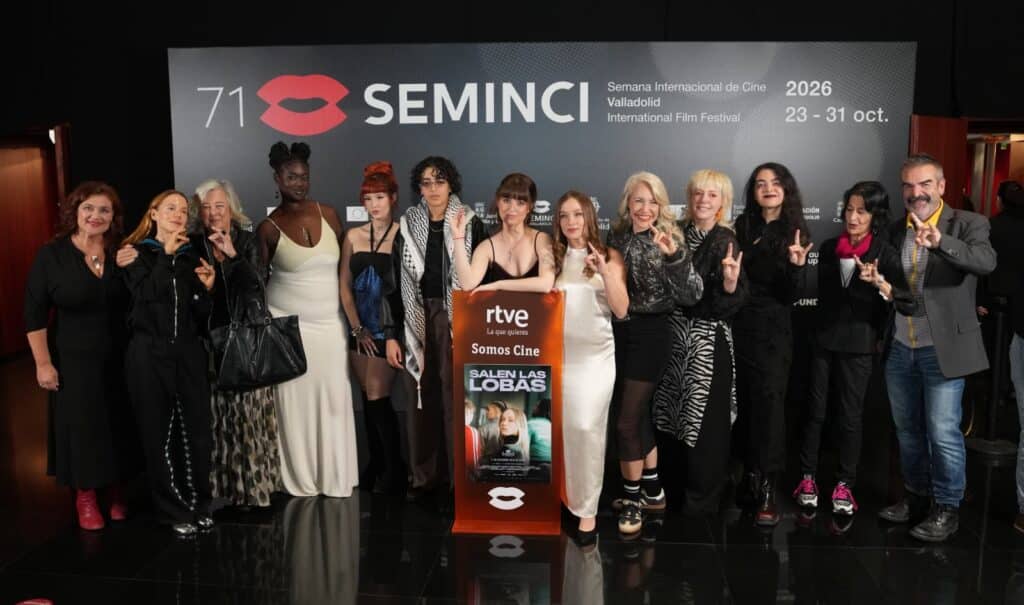
‘Salen las lobas’ film crew. ©Seminci/ Photogenic
The SEMINCI Young Audience Award went to The Bitch Pack, by Claudia Estrada, a co-production between Spain, Denmark and Belgium, while the Miniminci Award went to Momonsters. Película de Navidad, by Javier Martínez and Christian Garnez (Spain).
The Audience Award in the International Official Section went to Rose, by Markus Schleinzer, while the award in the Meeting Point Official Section went to The Bitch Pack, by Claudia Estrada Tarascó. The audience awards are organised in collaboration with El Norte de Castilla and are decided through votes cast by spectators in cinemas after screenings.
The Rainbow Spike Award, which recognises films featuring LGBTIQA+ content, went to La Gradiva, by Marine Atlan (France and Italy). The jury, comprising sound recordist and filmmaker Sofía Corral Alonso, Aritz Dendategi, a member of the Sebastiane Award committee, and director Daniel Hernández Hompanera, a contributor to the Cinhomo film festival, praised a film that “listens wholeheartedly to a generation victimised by a system that conceals individual and collective realities”. The citation recognised the director’s ability to portray, “with honest curiosity”, a generation of young people who, despite everything, retain their beauty and remind us that “not everything is tainted”.
The Green Spike Award, dedicated to films committed to sustainability, went to Benigno, by David Baute (Spain). The jury, comprising researcher Íñigo Capellán Pérez, environmental scientist and physiotherapist Sara Delgado Domínguez, and Aketza Sánchez, founder of Goazenup, recognised the sustainability values conveyed through an everyday story. The protagonist embodies “a simple life, with a low environmental impact and yet a fulfilling one” and serves as an example to his community because, despite his age and serious illness, he continues to enjoy his seeds, vegetable garden, music and reading.
The FIPRESCI Award, presented by the International Federation of Film Critics, went to I Rarely Wake Up Dreaming, by Isabelle Stever (Germany and Ukraine). The jury, comprising journalists and critics Laura Blanco and Bettina Hirsch, and Egyptian critic, programmer, producer and script editor Rasha Hosny, recognised a film that explores how “love, bodies and gender become political issues”. The film follows a young queer Ukrainian couple who, as the war continues to devastate their country, face rigid gender norms that threaten their relationship. In the face of the brutality of the conflict, the film creates “an intimate space filled with tenderness”, in which lies “its quiet call for peace”.
The Young Jury Awards went to Queen at Sea, by Lance Hammer, in the International Official Section, and A Day in the Life of Jo: Chapter Phaedra, by Jacqueline Lentzou, in Meeting Point.
Short Film Official Section
The jury of the Short Film Official Section, comprising Polish programmer Aleksandra Ławska, Iranian-Dutch filmmaker Sara Rajaei and Aguilar de Campoo Film Festival director Jorge Rivero, awarded the Golden Spike to Class Photo, by Arnas Balčiūnas (Lithuania).
The jury praised the chance encounter between two former classmates in a school building scheduled for demolition, evoking “a world that will never truly be lost”. The citation recognised “the depth of its narrative and the strength of its audiovisual qualities”, as well as its ability to bring together the experiences of present and absent characters in “a mosaic of memories and identities”.
The Silver Spikes went to First Fire, by Blanca Camell Galí (France and Spain), and Chronicle of Tiredness, by Natalia Marín (Spain). Regarding the former, the jury praised its portrayal of women and the process of childbirth, and its ability to reveal “the shared and silenced experience of generations of women, their sexuality, femininity and physical pain”. For Chronicle of Tiredness, the jury highlighted how its recurring motifs and linear visual style create a deeply layered narrative addressing “the hostility of today’s world”.
The Best European Short Film Award went to Pithead, by Wannes Vanspauwen and Pol De Plecker (Belgium and France), for its portrayal of “a dystopian and isolated universe in which time seems to have stood still”. The jury particularly praised its cinematic elements and the role of nature as a driving force behind the development of the story.
In the Spanish Short Film Official Section, the Best Short Film Award went to L’enterrament de la sardina, by Mariona Martínez (Spain). The jury praised the way the film uses tradition, humour, the outstanding performances of its young protagonists and an intelligent ending to reveal “the tender relationship between a girl and her father, who is going through a process of loss and grief”.
The Castile and León Short Film Award went to Under the Lake, by Juan Carlos Mostaza, for “its imaginative animation style, engaging narrative and elements of suspense”. Finally, the Short Film Young Jury Award went to The Scarlet Tamagochi, by Francisco Visceral.