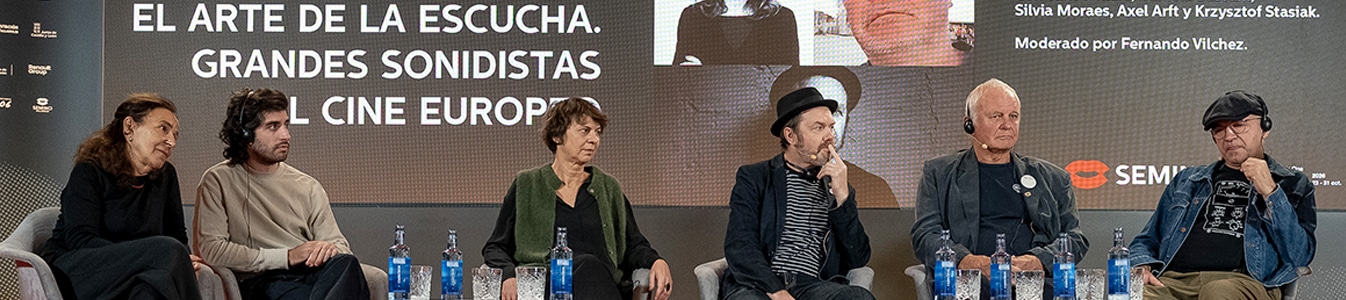
- As part of the ‘Thinking (and Listening to Cinema)’ programme, the 71st SEMINCI hosted the round-table discussion ‘The Art of Listening’, bringing together leading figures in contemporary European film sound.
The 71st SEMINCI continues its Thinking (and Listening to Cinema) programme with the round-table discussion The Art of Listening: Leading Figures in European Film Sound. The event coincides with the first meeting in Valladolid of members of the Sound Designers Chapter of the European Film Academy.
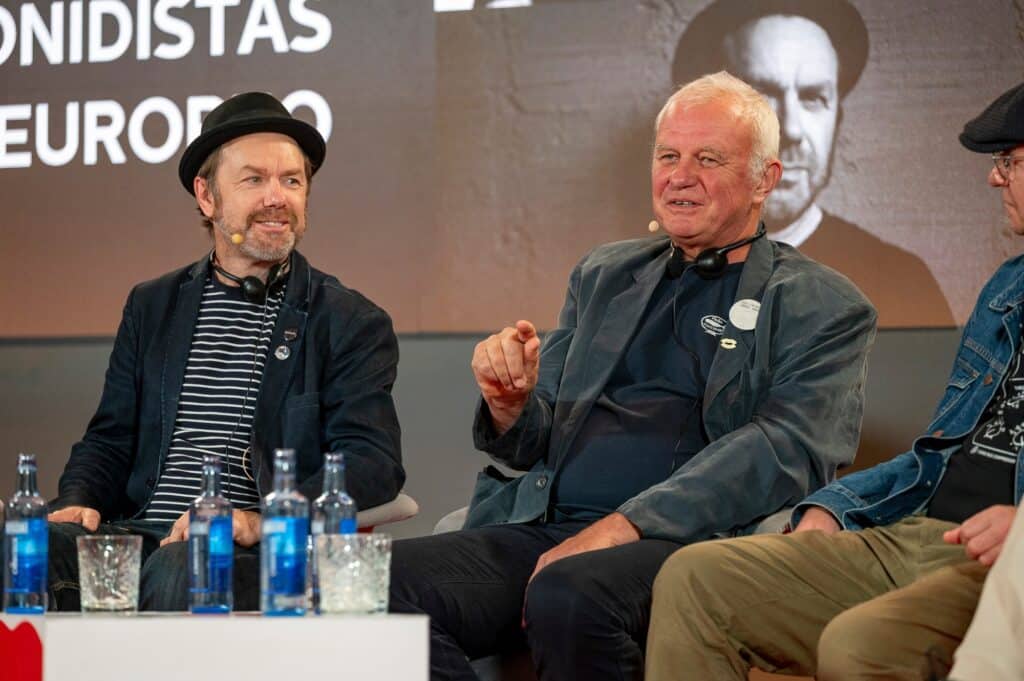
The discussion brought together prominent sound professionals who have worked with acclaimed European filmmakers such as Wim Wenders, Paolo Sorrentino and Jonathan Glazer. The guests, who gathered in the Hall of Mirrors at the Calderón Theatre, were Axel Arft, sound recordist on Wings of Desire; Silvia Moraes, sound editor and supervisor on titles such as Life Is Beautiful and The Hand of God; Daniela Bassani, sound recordist on Gomorrah; Krzysztof Stasiak, sound designer on In the Name Of…; and Tarn Willers, Oscar winner for The Zone of Interest.
Creating Through Sound
The participants shared their thoughts with the audience on sound creation and its narrative role in cinema, as well as their working methods and processes within the industry. Willers, who works on set during filming, explained: “Our main objective on set is to capture live performances. We are there to record sound, but also to remove it. When you arrive on location, you encounter challenges that vary greatly depending on the sounds already there.” Stasiak, who usually works in post-production, also spoke about his desire to be involved throughout the entire process: “I like visiting locations and being prepared. I always take microphones, rugs and curtains with me. These, along with dialogue with the director, are essential elements of our work.”
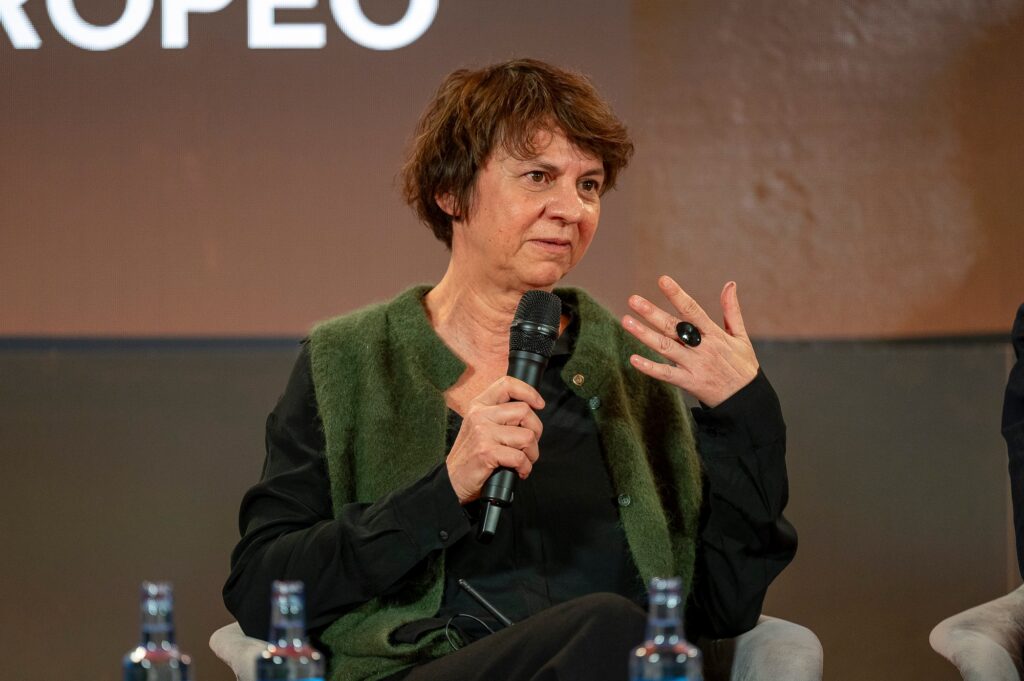
Moraes, who recently worked on The Echo Chamber, Andrea Pallaoro’s film competing at the 71st SEMINCI, discussed the particular challenges of that experience: “We filmed everything inside an apartment in Rome, but we had to create the impression that we were in an affluent London neighbourhood. Cinema is image and sound, but sound always continues to serve the image.”
“Every film is different, even when you are working with the same director. Between us, we have to establish a dialogue not only with the words in the script, but also with what is left unsaid,” Bassani added.
Shouts and Whispers
Another central theme of the discussion was the evolution of sound in cinema, from vocal nuances in performances to contemporary ways of watching films. “It is true that there are more whispers in films nowadays. It all depends on the creative vision. There is a big difference between working with a close-up and a wide shot; a whisper conveys different things in each case,” Arft observed, sharing an anecdote from his early days as a sound recordist. “I filmed a movie with Gene Hackman, and I remember one occasion when I couldn’t understand a word he was saying. I asked him to speak louder, and he told me: ‘I’m an actor; I’m not allowed to speak.’ I really like recording dialogue when I can’t understand a single word, yet I still know exactly what the actors are saying.”
On the difference between seeing and hearing films at home and experiencing them in a cinema, Bassani commented: “It is all a question of attention and intention. Of course, when you are at home dealing with the cooking, your mobile phone or the children, you can choose not to watch a film and simply listen to it. The best experience will always be in a cinema, but we can make the effort at home, too.”
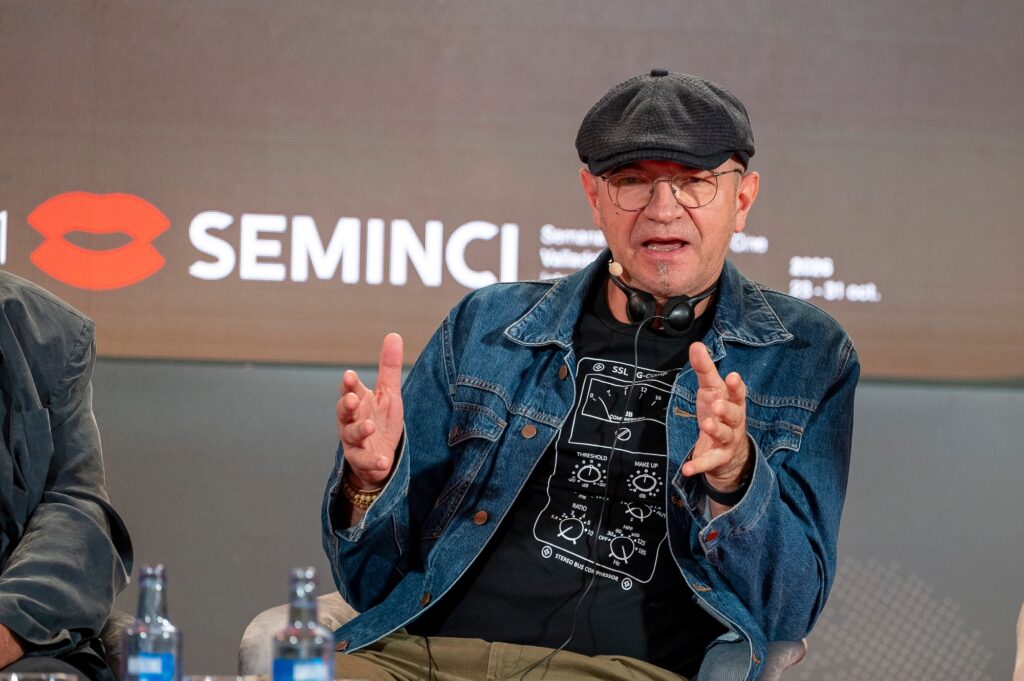
Another factor that has played a central role in transforming the profession is the transition from analogue to digital, as Willers pointed out: “Digital technology has changed the way we work on set. The last film I made was shot on 35mm, and it felt like returning to a discipline that no longer exists. When you press the record button, the costs start adding up. There is a factor you no longer have to take into account with digital. I am not saying this has ruined everything, but it takes away some of the tension inherent in the craftsmanship that used to be so present.”
The Sound of the Future?
The discussion could not conclude without addressing one of the major challenges facing every aspect of filmmaking, from images to sound. The arrival of artificial intelligence prompted a range of opinions among the participants. “It is a great tool for creating better sounds in post-production. I am open to it, and I am not afraid of it,” Stasiak declared. At the other end of the spectrum was Arft, who said with a laugh: “I am too old for this conversation. I want nothing to do with AI, and I avoid it at all costs.”
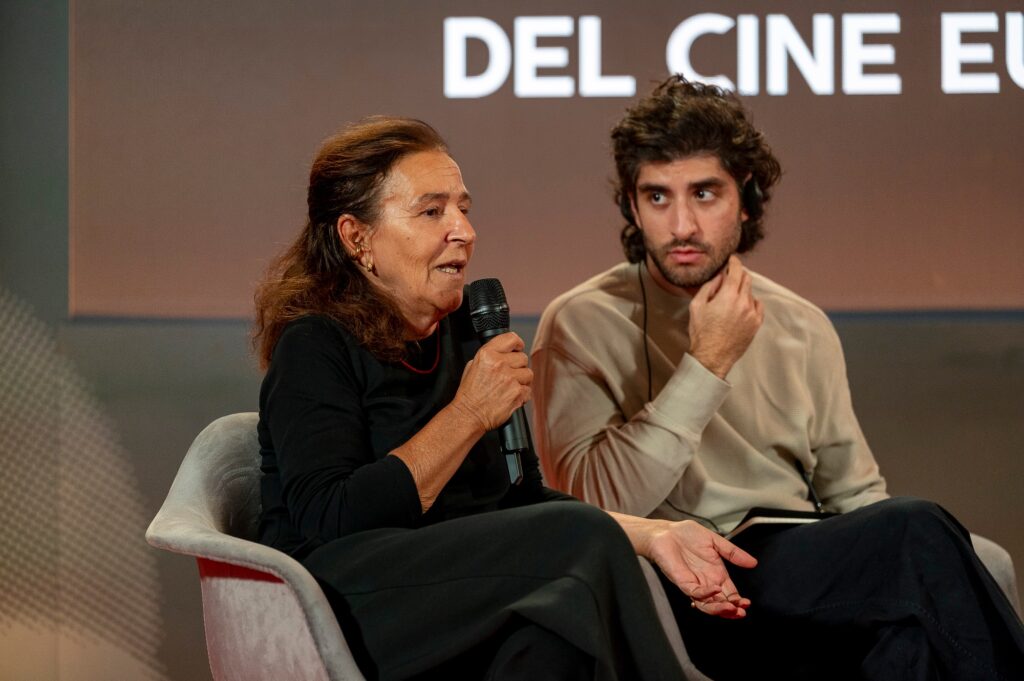
Willers, meanwhile, sought to reconcile both sides of the debate: “I understand that we can use it to clean up certain things, but never to redesign everything. AI can do many things, but one thing it cannot do is act. And performers’ voices can be replaced. This is already happening when they do not speak the film’s official language perfectly. But the performances they gave during filming, their gestures and their thoughts, cannot be changed.”Bassani then took the lead, leaving the audience with an open question: “What matters more: the accent or the performance?”