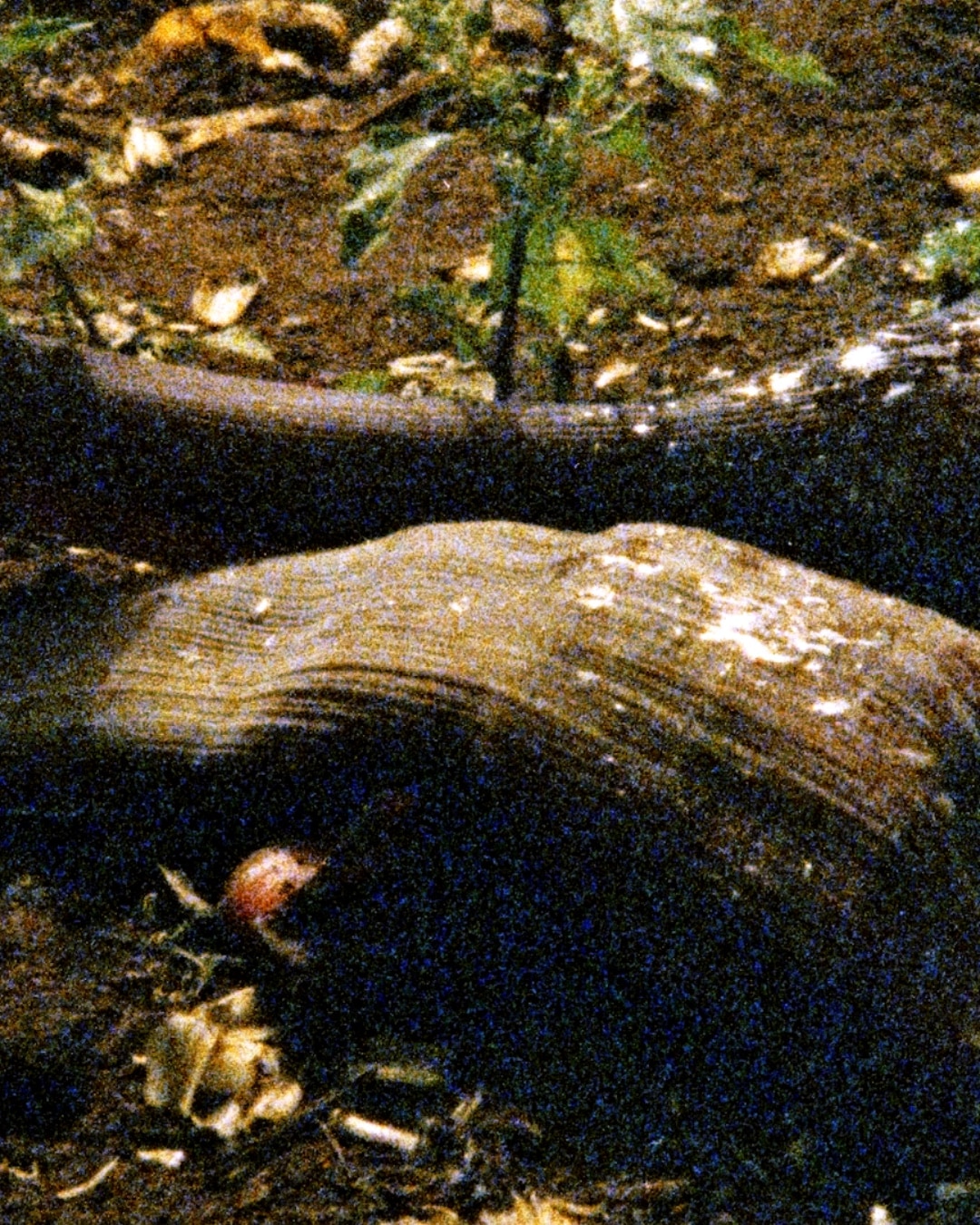
As an extension of the retrospective A History of Sound (in Cinema), the 71st Seminci presents Rugido humano, clamor de la tierra. Habitando el sonido, an exhibition bringing together filmmakers and audiovisual artists to consider sound as memory, an instrument of power and a means of approaching a natural world that exceeds human perception.
“Rugido humano” focuses on sounds created by human beings and their relationship with history. In Concierto con tambor y metralla (1980), Salamanca-born filmmaker Basilio Martín Patino draws on songs, voices and recordings from the Spanish Civil War to compose an aural memory of the conflict. Aura Satz examines another political dimension of listening through sirens: signals capable of warning of danger, but also of issuing commands and restricting freedom.
“Clamor de la tierra” brings together works that evoke the sounds of the natural world. In Still in Cosmos, Takashi Makino represents the universe through a drone composition permeated by the chaos of birth, death and eternity. Helena Girón and Samuel M. Delgado trace the resonances of the islands through the sea, local legends and volcanic activity, elements closely bound to the memory and identity of the archipelago.
The presence of José Val del Omar, a key figure in Spanish experimental cinema, introduces a distinctive lineage of sonic inquiry, inseparable from his visual research. From the voices of war to sirens, from the sea to the cosmos, the exhibition proposes a form of listening attentive to both human conflict and the forces of nature.