- The Official Section and Meeting Point feature films by filmmakers such as Anthony Chen, İlker Çatak, Sandra Wollner, Markus Schleinzer, Ali Asgari, and Emmanuel Marre, alongside some of the cinema season’s rising stars, such as Marine Atlan and Marie-Clémentine Dusabejambo
- Among the titles previewed are Yellow Letters, winner of the Golden Bear at the Berlinale; Everytime, winner of the Un Certain Regard Prize at Cannes; and Ben’imana, winner of the Caméra d’Or
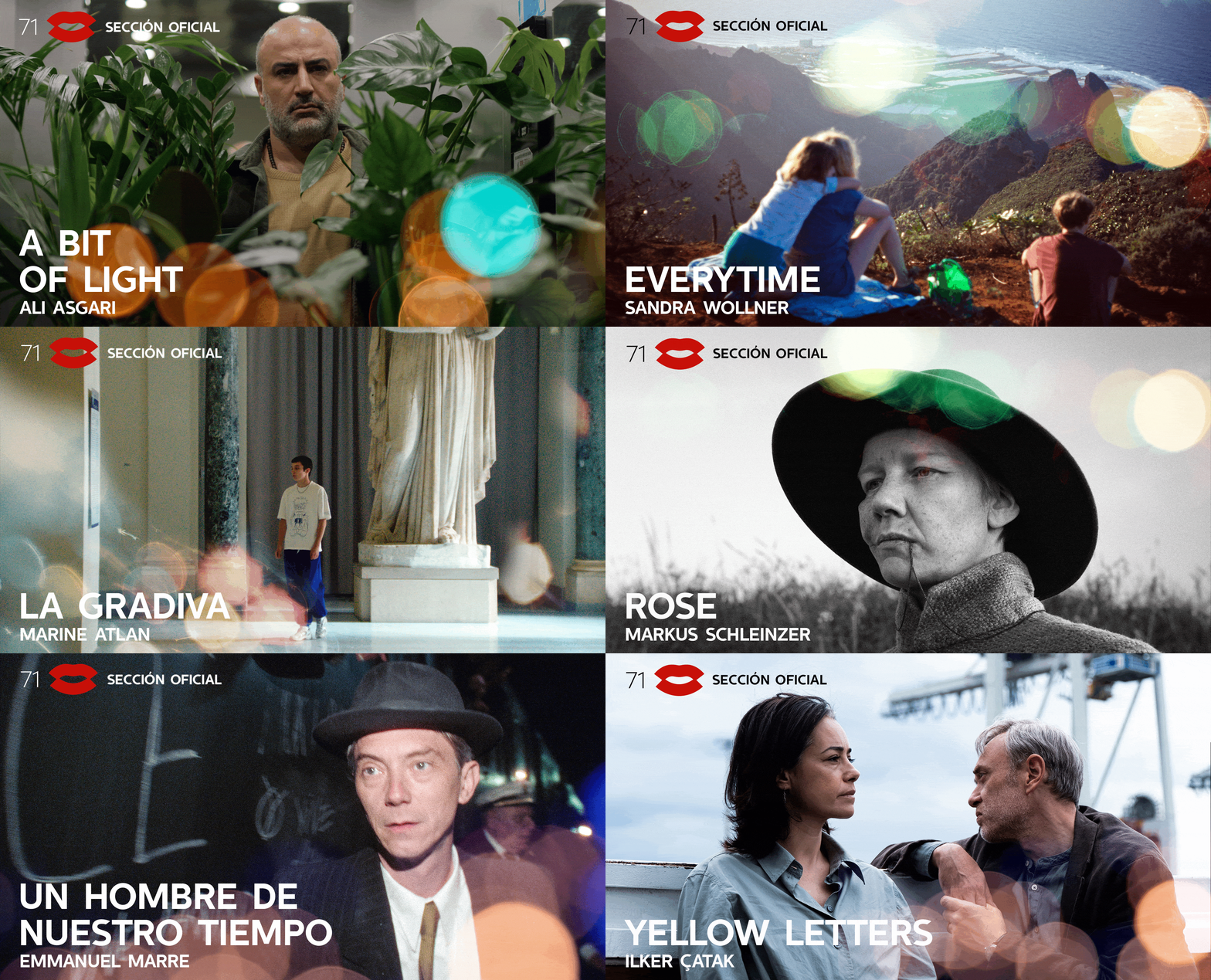
The Valladolid International Film Festival has announced fifteen titles that will be part of its 71st edition, a selection of films that includes some of the works making their mark on the cinema season thanks to the power of their stories and the personalities of their directors. All are Spanish premieres and will be part of the Official Section and the Meeting Point.
The Official Competition Section will feature La Gradiva, by Marine Atlan, and A Man of His Time, by Emmanuel Marre—two of the films most acclaimed by French critics—which are coming to Valladolid after competing at Cannes. The lineup also includes We Are All Strangers, by Anthony Chen; Everytime, by Austrian director Sandra Wollner, winner of the Un Certain Regard award at Cannes; Aquí by Tiago Guedes, featuring Manolo Solo in one of his final on-screen roles; the Golden Bear winner from the 76th Berlinale, Yellow Letters by İlker Çatak; Rose by Markus Schleinzer, which earned Sandra Hüller the Best Actress Award in Berlin; Prosecution by Faraz Shariat; and A Bit of Light by Ali Asgari.
The Most Acclaimed French Films of the Year
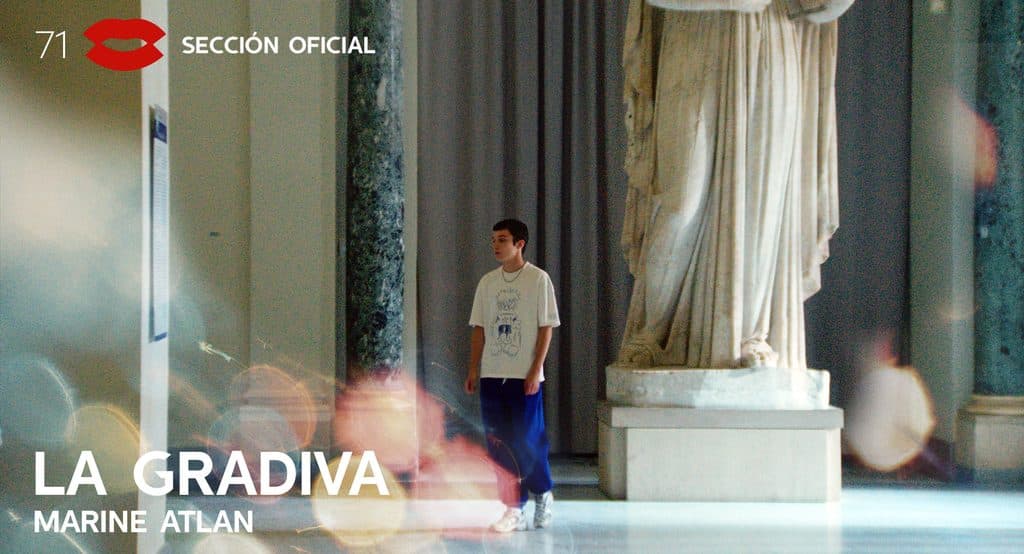
In La Gradiva, a group of French students travels to Naples to visit Pompeii, on a journey in which desire, violence, and discovery gradually overwhelm their relationships. Marine Atlan transforms this trip into a lucid portrait of the moment when adolescence abruptly gives way to adulthood. The filmmaker’s debut feature won the Grand Prize at Cannes’ Critics’ Week.
A Man of His Time, winner of the Best Screenplay Award at Cannes, is set in France in 1940, at the height of the establishment of the collaborationist regime. The film’s protagonist, masterfully portrayed by Swann Arlaud, eventually becomes part of the Vichy administrative apparatus, allowing Emmanuel Marre to highlight the unsettling ease with which people adapt, their opportunism, and their individual responsibilities in the face of the German occupation.

Families, Loss and New Beginnings
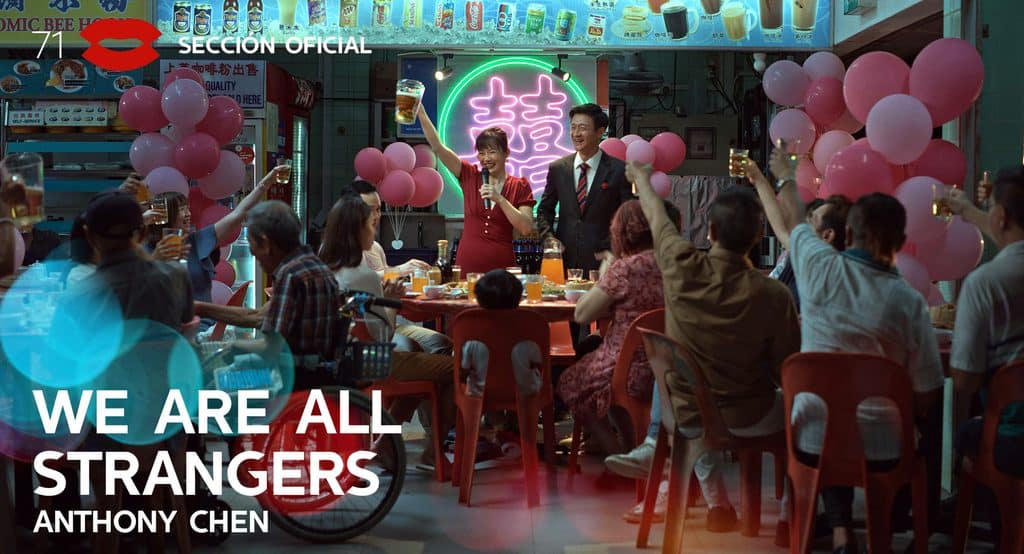
Anthony Chen, winner of the Golden Camera at Cannes for Ilo Ilo, presents We Are All Strangers, a family drama set in contemporary Singapore. An unexpected event disrupts a young man’s life and forces his father—who is embarking on a new romantic relationship—to reevaluate his relationships and responsibilities. The film weaves a story about care, affection, and the ability to create new forms of family.
Also in competition is Everytime, by Sandra Wollner, winner of the Un Certain Regard Prize at Cannes and selected to represent Germany at the Oscars. A tragedy brings together a mother, her daughter, and a teenager on a seemingly idyllic trip to Tenerife. The film explores grief, guilt, and the possibility of forgiveness through a formal approach that is as extraordinary as it is unexpected, and a narrative in which past and present overlap.

Portuguese director Tiago Guedes competes with Aquí, an adaptation of the Jesus Trilogy. by Nobel Prize in Literature laureate J. M. Coetzee. In a land without a past or a defined identity, Simón takes in David, a boy who has lost his mother, and seeks a mother figure to build a new family. The cast includes Patricia López Arnaiz, Sergi López, Ángela Molina, and Manolo Solo, who bids farewell to the silver screen with this masterful performance.

Identity in the Face of Power
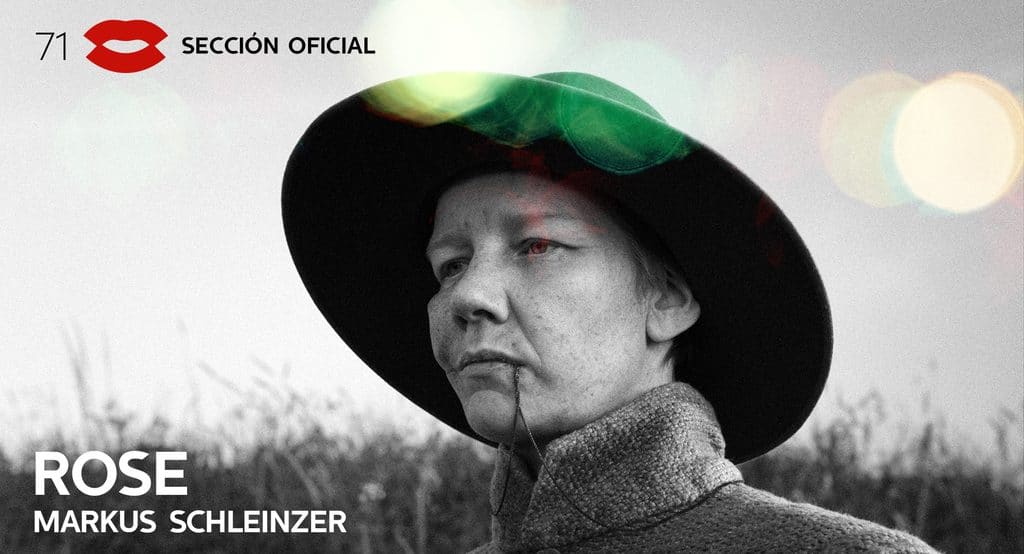
In Rose, Markus Schleinzer goes back to the 17th century to tell the story of a woman who assumes a male identity to gain the freedom that has been denied to her. A huge box-office hit in Germany, the film explores how much of herself she is willing to hide in order to live as she wishes. Sandra Hüller, the film’s lead actress—selected to represent Austria at the upcoming Oscars—received the Best Actress award at the Berlinale.
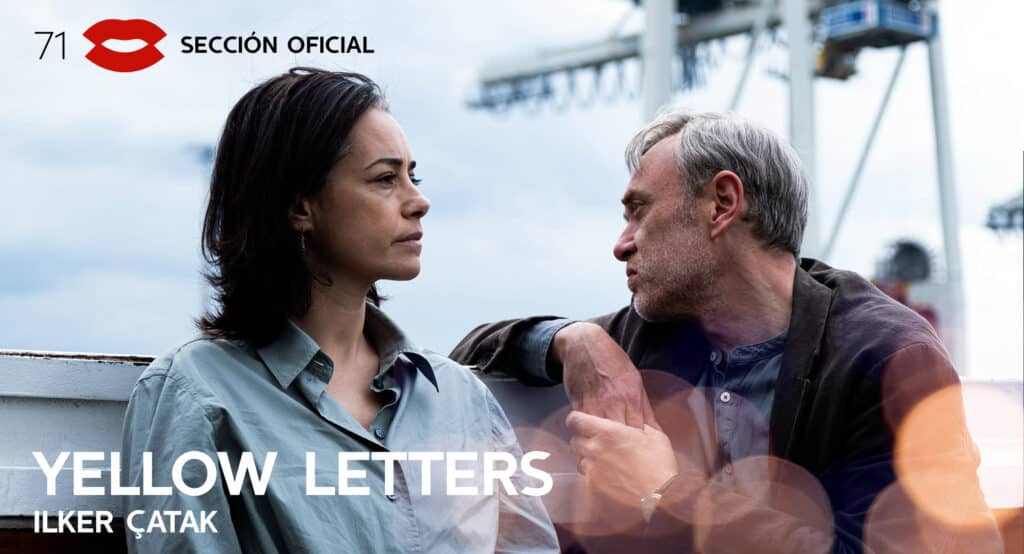
Yellow Letters, by İlker Çatak, winner of the Berlinale’s Golden Bear, follows a Turkish artist couple whose life in Ankara is disrupted by political pressure. The persecution they face also affects their relationship and turns their private space into the scene of a political conflict. The film offers a painful portrait of the rise of authoritarianism and continues Çatak’s exploration of power structures, following The Teachers’ Lounge, which was nominated for an Oscar for Best International Feature Film and won the Best Editing award at the 68th SEMINCI.
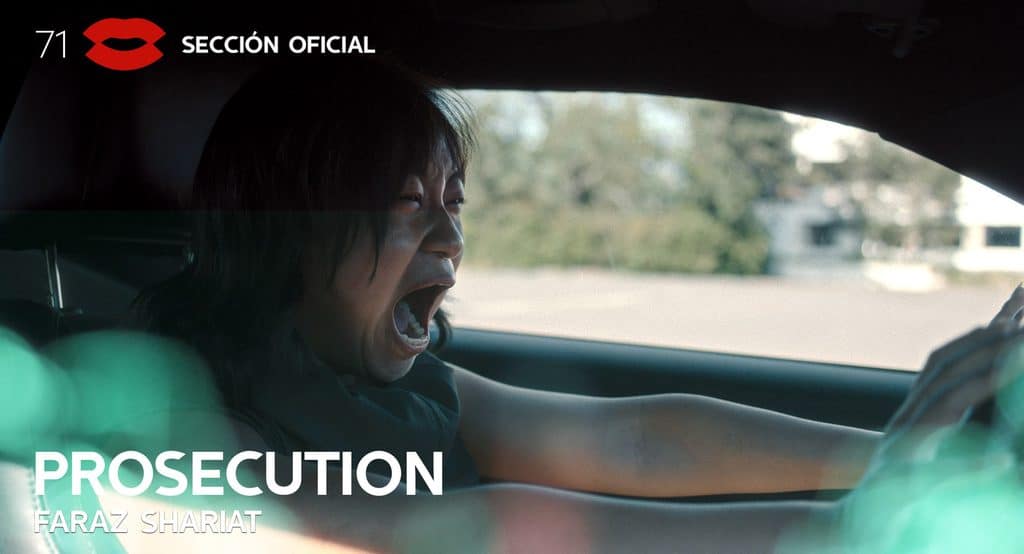
In Prosecution, winner of the Panorama Audience Award at the Berlinale, Faraz Shariat shines a light on far-right violence and institutional racism through the story told by a prosecutor of Korean descent who, after suffering a racist attack, decides to investigate the case and confronts both the perpetrators and resistance from the judicial system. The intensity of the story stems from a protagonist who refuses to become a victim and decides to challenge the system in her quest for justice.
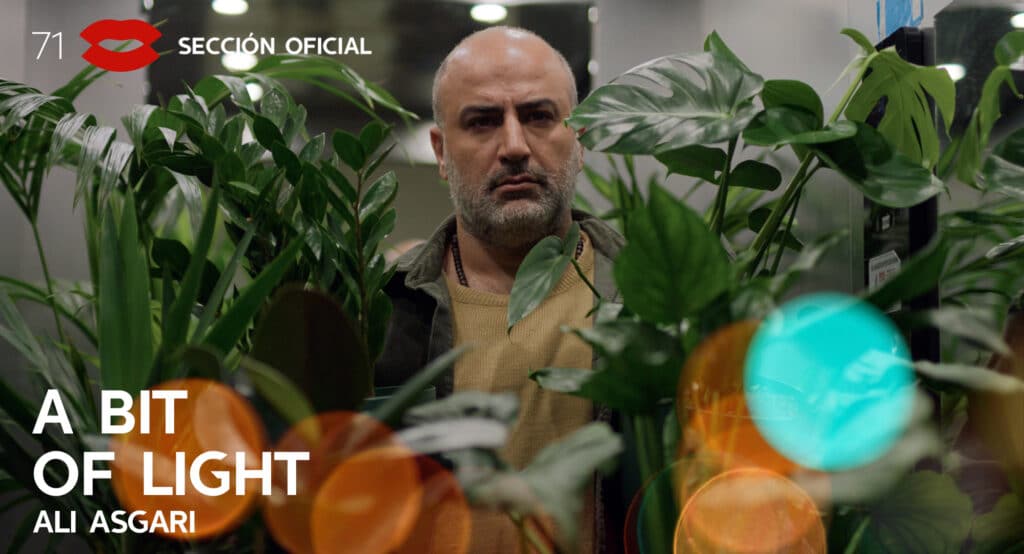
Ali Asgari’s A Bit of Light, set in present-day Iran ravaged by U.S. bombs, follows a doctor who, after being arrested and having his practice shut down, loses faith in the future. The film, which will compete for the Golden Lion at the upcoming Venice Film Festival, explores the tensions and restrictions of Iranian society through a deeply humanistic story about the journey from darkness to light through the power of love. Asgari returns to Valladolid after winning the Golden Spike for Best Short Film at the 61st edition with The Silence and presenting his first feature film, Disappearance, a year later.
Meeting Point: The Transformative Power of the Environment
Meeting Point will once again be the venue for the year’s major revelations. The preview features six films, all of which explore the relationship between the characters and the spaces they inhabit, highlighting the geographic breadth of the 71st SEMINCI programme.

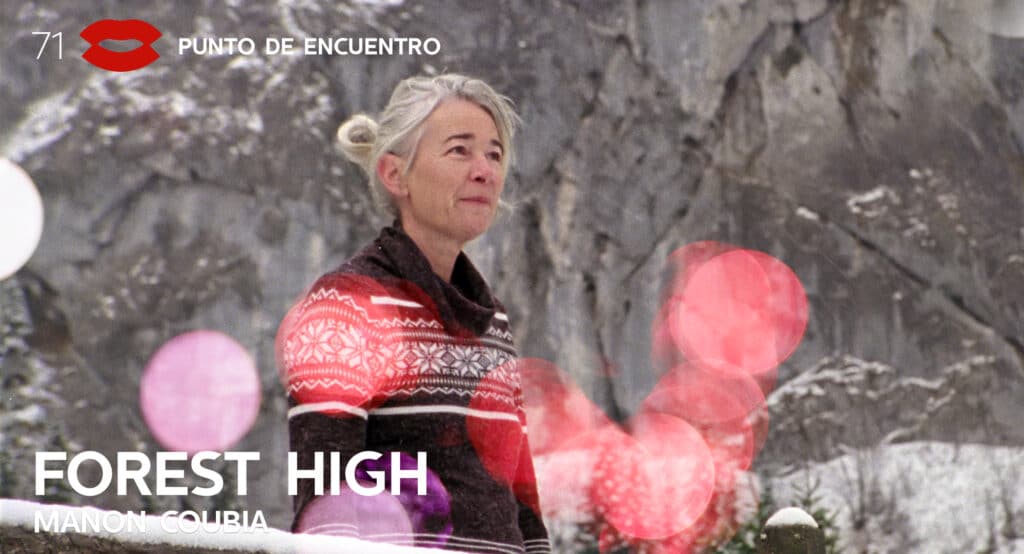
In Forest High, French director Manon Coubia places three women in a mountain lodge in the Alps, where visitors come and go throughout the four seasons. Shot on 16 mm film, the film explores time, solitude, and human relationships, transforming this isolated space into a place of encounter, listening, and mutual recognition among women of different ages.
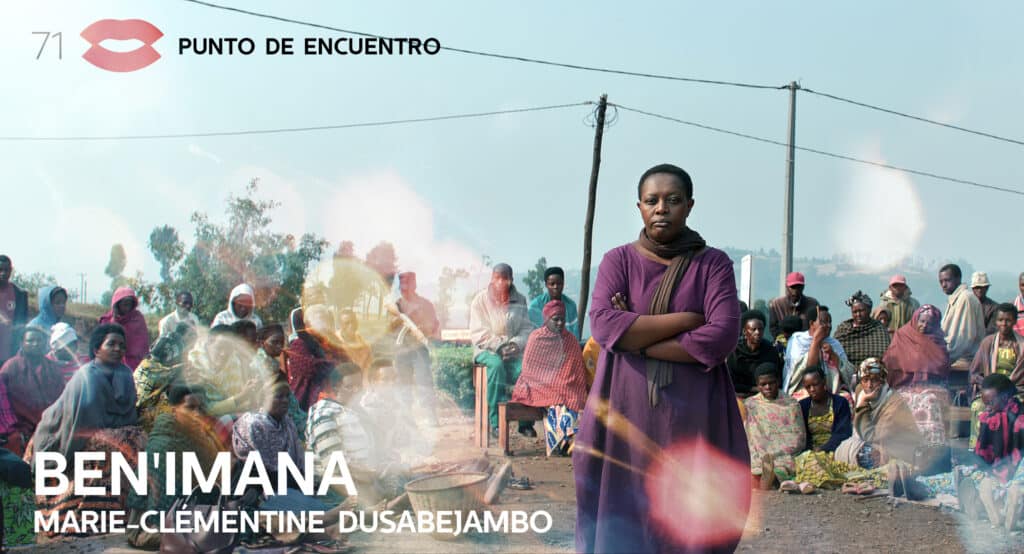
Ben’imana, by Rwandan director Marie-Clémentine Dusabejambo, winner of the Golden Camera at Cannes, examines the aftermath of the genocide committed against the Tutsis as seen through the eyes of a woman involved in community-based justice and reconciliation processes. Her film explores the rebuilding of personal and community bonds in the wake of violence and raises the challenge of forgiveness when the past intrudes on our lives.
Japanese director Yukiko Sode presents All the Lovers in the Night, about a proofreader who lives in isolation, whose life is transformed by an unexpected relationship. The film portrays loneliness, desire, and emotional bonds through a focus on small gestures, with elegant cinematography that turns light into a metaphor for hidden feelings.
From China comes Light Pillar, Xu Zao’s feature film debut, which combines animation and live action to tell the story of a worker at a declining film studio who finds an escape in a virtual world. Xu Zao offers a perspective, full of humor and melancholy, on the longings we project toward other worlds and everything that progress leaves behind.


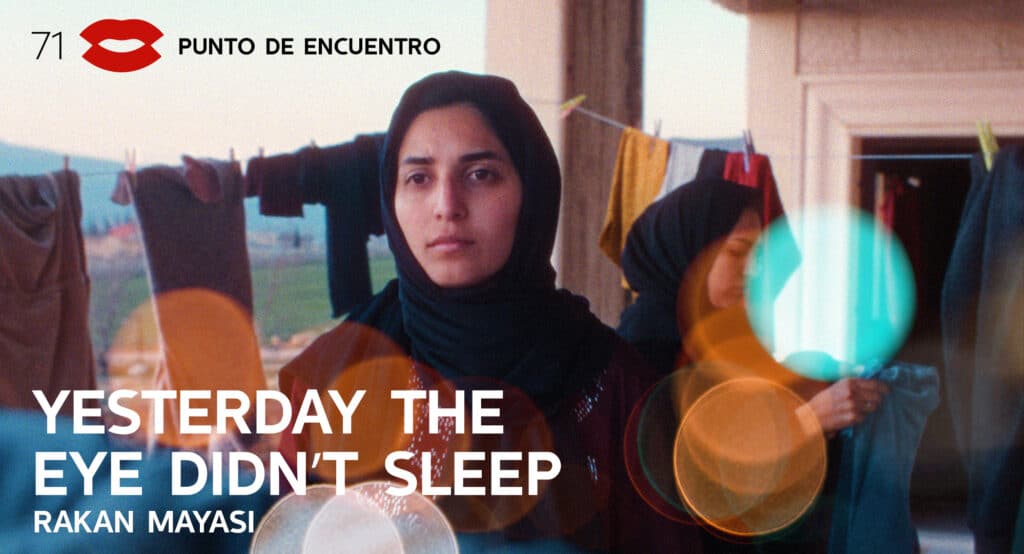
Yesterday the Eye Didn’t Sleep, the debut feature film by Palestinian director Rakan Mayasi, delves into a Bedouin community in southern Lebanon, where the disappearance of a young woman pits several clans against one another. Her sisters are offered as a guarantee of peace to prevent an escalation of violence, in a story about tradition, individual freedom, and the status of women—and about the cost of a peace built on the silent sacrifice of women who never had the chance to decide their own fate.
The preview concludes with 9 Temples to Heaven, by Thai director Sompot Chidgasornpongse, about a man who embarks with his family on a pilgrimage to nine temples in an attempt to ward off his fear of his mother’s death. The journey through Thailand weaves a story about the passage of time and the bonds between generations, in a family tale that suggests, with simplicity and emotion, that while we may not be able to stop death, we can accompany one another as it approaches. The film is produced by Apichatpong Weerasethakul, creator of the poster for the 71st edition of SEMINCI.

Sección Oficial
- La Gradiva, de Marine Atlan
- A Man of His Time, de Emmanuel Marre
- We Are All Strangers, de Anthony Chen
- Everytime, de Sandra Wollner
- Aquí, de Tiago Guedes
- Yellow Letters, de İlker Çatak
- Rose, de Markus Schleinzer
- Prosecution, de Faraz Shariat.
- A Bit of Light, de Ali Asgari
Punto de Encuentro
- Forest High, de Manon Coubia
- Ben’imana, de Marie-Clémentine Dusabejambo
- All the Lovers in the Night, de Yukiko Sode
- Light Pillar, de Xu Zao
- Yesterday the Eye Didn’t Sleep, de Rakan Mayasi
- 9 Temples to Heaven, de Sompot Chidgasornpongse