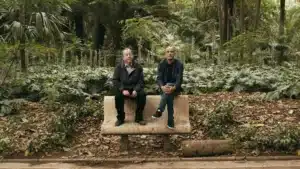
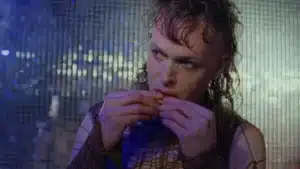
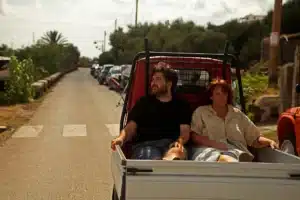
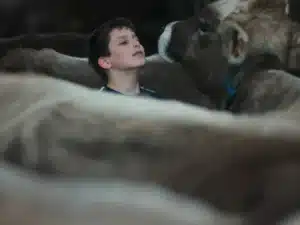
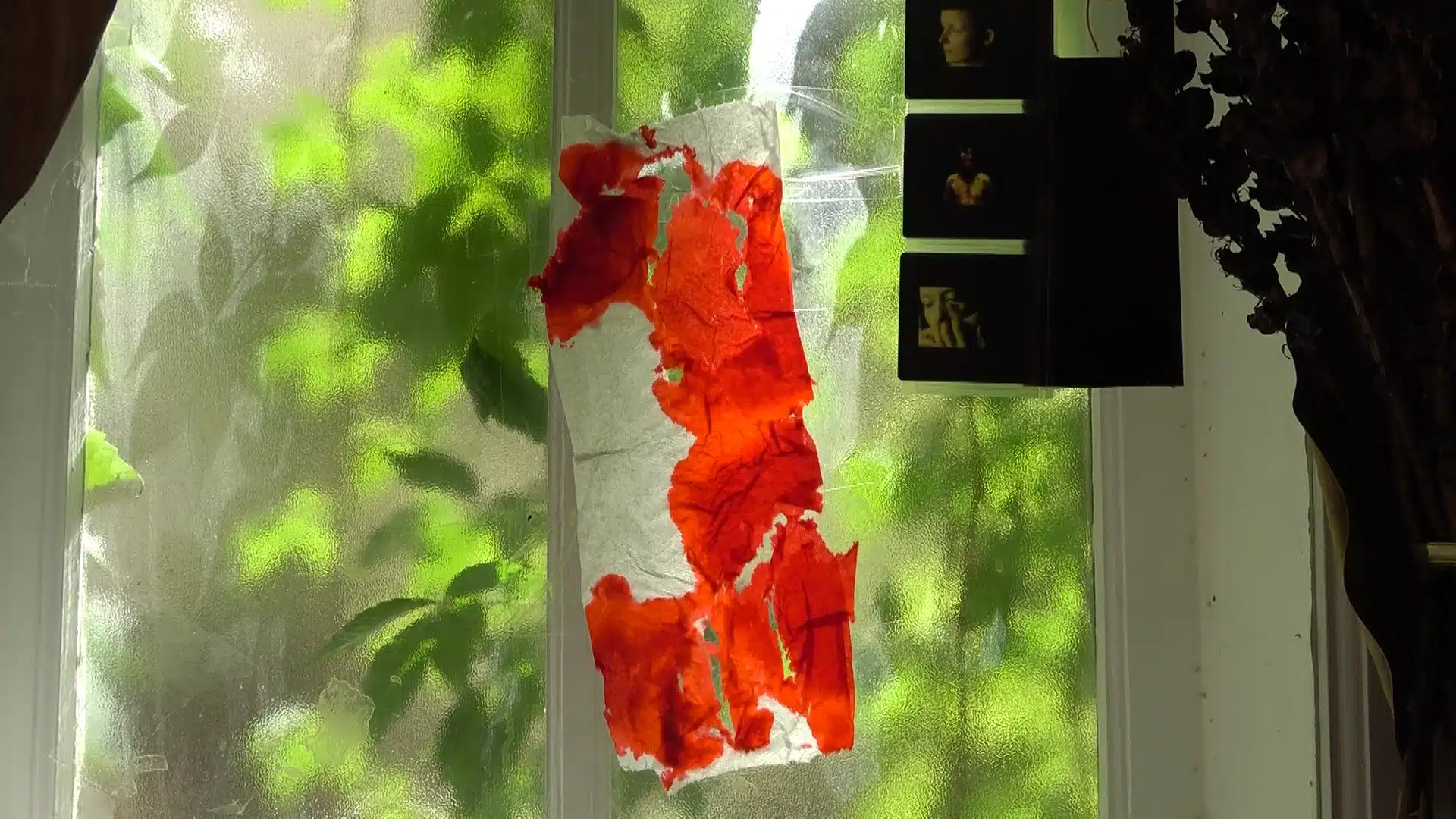
Alain Cavalier established himself through a pared-down style and a constant pursuit of formal simplicity. Moving from fiction to filmed diaries, he has developed an intimate body of work, free from industrial conventions. His lightweight camera captures reality with a keen attention to gesture, time, and presence, making each film a singular experience.
Alain Cavalier
French filmmaker born in 1931 in Vendôme (France). After studying history and training at IDHEC, he worked as an assistant to Louis Malle on 'Elevator to the Gallows' (1958) and 'The Lovers' (1958), before making his directorial debut that same year with the short film 'The American'. His first feature films ('Fire and Ice', 1962; and 'Have I the Right to Kill?', 1964) ran into problems with the censors, and after filming 'Pillaged' (1967) and the adaptation of Françoise Sagan’s 'La chamade' ('Heartbeat', 1968), he temporarily stepped away from filmmaking. He returned behind the camera with a more personal and experimental style, making films such as ‘Fill'er Up With Super' (1976), ‘Martin and Léa’ (1979) and ‘Un étrange voyage’ (1981), the latter of which won the Louis-Delluc Prize. His breakthrough came with 'Thérèse' (1986), his take on the life of Saint Teresa, which won the Jury Prize at Cannes and six César Awards, including those for Best Film and Best Director. From then on, he turned his work towards more intimate, documentary and autobiographical forms with films such as 'Libera me' (1993, Ecumenical Jury Prize at Cannes), ‘Le Filmeur’ (2004), ‘Irène’ (2009), ‘Pater’ (2011) and ‘Thanks for Coming'’ (2026), all of which premiered in competition at Cannes.
DIRECTOR
Alain Cavalier
SCREENPLAY
Alain Cavalier
CINEMATOGRAPHY
Alain Cavalier
EDITOR
Emmanuel Manzano, Zoé Chantre
SOUND
Steve Raccah
PRODUCTION
Michel Seydoux
PRODUCTION COMPANY
Camera One
CAST
Corinne Angevin, Suzanne Angevin, Thibault Angevin, Emmanuèle Berhneim, Caroline Cartier, Ingrid Chikhoui, Nine d'Urso, Mélanie Genin